
Contents
Don’t Get Scammed: The Hidden Traps of Buying Old Smartphones on Online Marketplaces
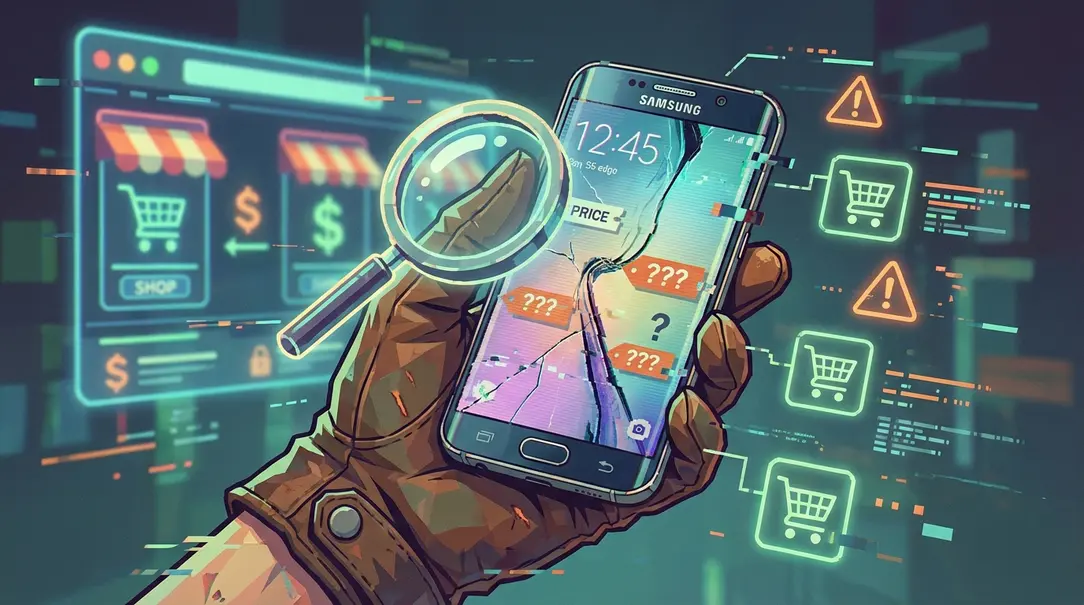
Imagine stumbling upon an advertisement for a Samsung Galaxy S6 Edge, touted as “modern technology” with “impressive parameters,” all for a bargain price. While this might sound like an absurd premise in today’s rapidly evolving tech world, it’s a surprisingly common trap lurking on major online marketplaces. Consumers often get caught unaware, mistaking these vintage devices for genuine deals on cutting-edge technology.
This guide aims to highlight the pitfalls of purchasing older smartphones from online platforms and equip you with the knowledge to make informed decisions, ensuring you don’t fall victim to misleading advertisements.
Navigating the Complexities of Online Marketplaces
A crucial distinction often overlooked by shoppers is the role of online marketplaces. When you make a purchase on platforms like Amazon, eBay, or other regional equivalents, you are frequently buying from independent third-party sellers, not the platform operator itself.
- Platform’s Role: These platforms primarily act as intermediaries, connecting a vast network of buyers with numerous sellers.
- Third-Party Sellers: The majority of products available on these sites originate from external businesses, ranging from small shops to larger distributors.
- Platform’s Own Store: While some marketplaces do have their own official retail channels, these are typically distinct from the third-party listings.
Understanding this difference is paramount, as the ultimate responsibility for product description accuracy, the device’s actual condition, and warranty fulfillment often rests solely with the individual third-party seller.
The Deceptive Allure of “Impressive Parameters”
The core problem arises when significantly older smartphones are marketed with phrases that suggest contemporary performance or features. For instance, a device like the Samsung Galaxy S6 Edge, originally released in 2015, is now approximately nine years old. While it was a flagship in its time, it is considered largely archaic by current technological standards.
Such phones are often advertised as “outlet” items or described with vague terms designed to obscure their age and limitations. Key issues include:
- Outdated Operating System: A nine-year-old smartphone will likely be stuck on an older Android version (e.g., Android 7.0 Nougat for the S6 Edge). This means it lacks the latest security updates, modern features, and compatibility with many new applications that require newer operating systems like Android 14.
- Limited Hardware: Cameras, battery life, processing power, and display technology have advanced dramatically. An older phone cannot compete with the speed, efficiency, and capabilities of even budget-friendly new devices.
- No Manufacturer Support: Older models typically no longer receive official software updates or technical support from the manufacturer, leaving users vulnerable to security flaws and compatibility issues.
The “OUTLET” label, frequently displayed above pricing, or information about external sellers discreetly placed below the “add to cart” button, can easily be overlooked during hasty purchases, leading to buyer’s remorse.
Essential Tips for Smart Online Shopping
To avoid disappointment and ensure you’re getting what you pay for, adopt a vigilant approach when shopping for electronics online:
- Verify the Seller: Always examine the seller’s profile. Look at their ratings, read recent reviews, and check their return policy. A reputable seller will have clear information and positive feedback.
- Scrutinize Product Descriptions: Read every detail beyond the prominent headlines. Look for specific information regarding the phone’s model year, release date, exact operating system version (e.g., Android 5.1 vs. Android 14), and detailed technical specifications.
- Question “Outlet” or “Refurbished” Listings: Understand precisely what these terms imply for the device’s condition. Is it new, used, professionally refurbished, or simply an old model being cleared out? Clarify warranty implications.
- Perform Independent Research: Before clicking “buy,” take a few minutes to research the specific phone model. A quick search for “[phone model] release date” or “[phone model] latest Android version” will quickly reveal its true age and limitations. AI tools like Google Gemini can also provide instant, accurate contextual information.
- Understand Warranty and Returns: Be clear on who is responsible for post-purchase support and returns – the marketplace platform or the third-party seller.
Marketplace Accountability and Consumer Advocacy
While major online retailers strive to maintain quality control and ensure fair listings, the sheer volume of products makes it challenging to identify and correct every misleading advertisement. When platforms are alerted to potentially deceptive listings, they typically initiate verification processes with sellers.
Generally, sellers are obligated to provide honest and unambiguous representations of the technical condition, parameters, age, and warranty of their offered devices. However, the implementation of changes and adherence to these policies can sometimes be slow.
As consumers, it’s vital to report any misleading or inaccurate listings to the marketplace directly. Such feedback helps platforms refine their oversight and work with sellers to ensure greater transparency for all users. Don’t hesitate to escalate issues if a resolution isn’t met.
Conclusion
In a world where technology advances at an incredible pace, vigilance is your most powerful tool. The idea of a nine-year-old smartphone being a “modern technology” marvel is misleading. Always conduct thorough due diligence before making a purchase, especially for electronic devices. Don’t let an attractive price for a vintage smartphone lead to an outdated and disappointing user experience.
Frequently Asked Questions (FAQs)
Q: Is it ever a good idea to buy an older smartphone?
A: Yes, but with clear expectations. Older smartphones can be suitable as a backup device, for very basic tasks (calls, texts), for a child’s first phone, or for collectors. However, do not expect current-generation performance, security updates, or broad app compatibility.
Q: How can I tell if a phone is genuinely ‘modern’ or just old?
A: Check its release date and the highest operating system version it supports (e.g., Android 14 is current, Android 5.1 is very old). Modern phones receive regular security updates and run the latest apps efficiently. Compare these specifications to newly released models from reputable brands.
Q: What should I do if I receive a product that doesn’t match the description?
A: First, immediately contact the seller with clear documentation (photos, screenshots of the listing). If the seller doesn’t resolve the issue to your satisfaction, escalate it through the marketplace’s dispute resolution process. Keep all records of communication.
About Post Author
