

Contents
Unmasking the Truth: Why Many People Feel Lonely and Hide Their Emotions
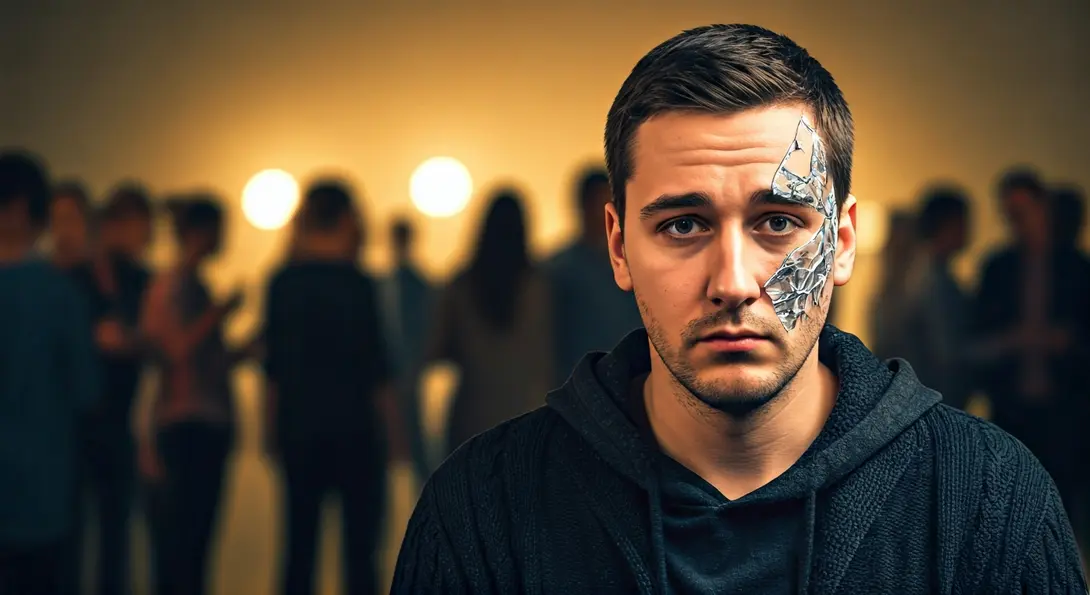
A recent report highlights a widespread phenomenon: a substantial portion of the population experiences unhappiness and loneliness, often concealing their true feelings behind a facade of “social masks.” This issue appears particularly acute among younger generations, who, when confronted with personal difficulties, frequently turn to social media rather than professional help.
The study, conducted by the mental wellness platform Hedepy, delves into the emotional landscape of individuals across different age groups. The findings paint a concerning picture of modern emotional well-being.
The Pervasive Nature of “Social Masks”
The overall data is quite sobering. The report, titled “Two Out of Three Individuals Believe We Wear Social ‘Masks’ Daily and Hide Who We Truly Are,” indicates a widespread tendency to mask true feelings:
- 65% believe that society encourages people to wear “social masks,” hiding their authentic selves.
- A similar percentage admits to regularly concealing their sensitivity from others.
- 61% feel that people are often unhappier than they appear on the surface.
- Nearly half (47%) actively hide their emotions and true feelings from those around them.
Generational Differences in Loneliness and Support Seeking
The report reveals distinct patterns of loneliness and coping mechanisms across various generations:
Generation Z: Isolated in a Connected World
Loneliness disproportionately affects Generation Z (those typically born between the mid-1990s and early 2010s). A striking 38% of this generation report a scarcity of close friendships. Approximately one-quarter of them reach for technology, specifically social media, during moments of solitude. This trend highlights the complex relationship between digital connectivity and genuine human connection. However, a concerning statistic is that only a meager 3% of Gen Z individuals seek professional psychological support when facing personal struggles. For more on how digital interactions shape our well-being, explore the psychology of social media lurkers and conscious choices for digital well-being.
Millennials and Baby Boomers: Different Challenges
The situation varies for other age groups:
- Millennials (aged 25-40): Around 25% of this generation regularly experience loneliness. Furthermore, 15% of them feel they cannot rely on another person for support during a crisis.
- Baby Boomers (born 1946-1964): Among this older demographic, 12% report regular feelings of loneliness, and 6% lack support in critical situations.
Technology: A Double-Edged Sword in the Fight Against Loneliness
It’s increasingly clear that while technology can bridge distances, it doesn’t always solve the problem of loneliness. Dr. Joanna Krawczyk, a psychology expert, observed in a recent interview that “people are having increasing trouble with communication, or rather, with kind communication – simply going out for coffee and talking, even about trivial daily matters.”
While technology, including social media, undoubtedly plays a role in combating loneliness by helping individuals find communities that better understand their needs, it's crucial to recognize its dual nature. This very solution also carries an increased risk of isolation if not used mindfully. The ongoing debate around the impact of platforms is significant; for a deeper dive, consider the implications discussed in articles regarding social media addiction and potential legal challenges.
Authentic connection often requires stepping away from screens and engaging in real-world interactions, fostering empathy, and practicing open communication.

Frequently Asked Questions (FAQ)
Why do so many people feel the need to wear “social masks”?
Many individuals feel societal pressure to present a curated version of themselves, concealing their true emotions, vulnerabilities, and even unhappiness. This can stem from a desire to fit in, avoid judgment, or maintain a positive public image, contributing to a widespread sense of inauthenticity and hidden emotional struggles.
How does Generation Z’s reliance on social media impact their loneliness and mental health?
While social media can offer community and connection, for Generation Z, it often becomes a default coping mechanism for loneliness. This reliance can lead to increased isolation if not balanced with real-world interactions, as virtual connections may not fully satisfy the need for deep, meaningful relationships. Additionally, the low rate of seeking professional help suggests a potential over-reliance on digital platforms instead of more effective support systems.
What are practical steps individuals can take to combat loneliness and foster genuine connections?
To combat loneliness, individuals can prioritize in-person interactions, engage in community activities, practice active listening, and be open about their feelings with trusted friends or family. Limiting passive social media consumption, seeking professional psychological support when needed, and developing hobbies that encourage social engagement can also significantly help in fostering authentic connections and improving overall well-being.
Source: Hedepy / Press materials. Opening photo: vecstock / Magnific
About Post Author
