
Contents
Transform Your Ride: Modern Car Gadgets for Any Vehicle
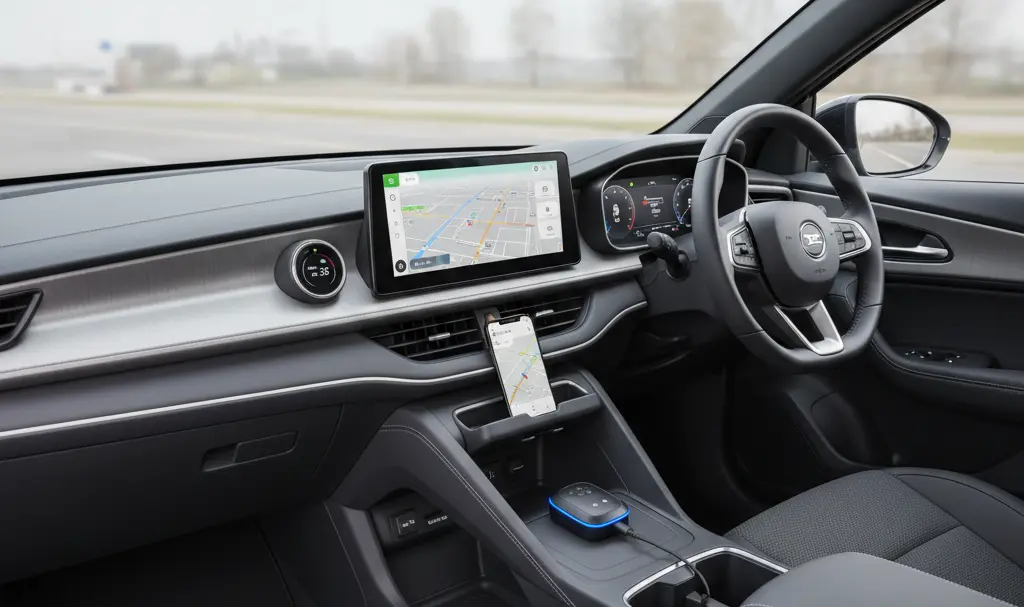
You don’t need a brand-new, fully loaded vehicle to enjoy the benefits of modern technology on the road. With a relatively small investment, clever car gadgets can significantly boost both your comfort and safety. This guide will walk you through some of the most worthwhile products to consider for upgrading your ride.
Table of Contents:
- Why Upgrade Your Car with Gadgets?
- Top Car Gadgets to Consider
- Essential Considerations Before Buying Car Gadgets
- Frequently Asked Questions (FAQ)
Why Upgrade Your Car with Gadgets?
Modern car gadgets offer a cost-effective way to bring advanced features to older vehicles or enhance the functionality of newer ones lacking certain amenities. These devices can improve your driving experience by:
- Increasing Safety: Features like tire pressure monitors and parking sensors actively help prevent accidents.
- Boosting Comfort: Enjoy seamless music streaming or hands-free navigation.
- Adding Convenience: Track your vehicle, simplify parking, or connect your smartphone wirelessly.
- Saving Money: Prevent costly repairs by proactive monitoring (e.g., correct tire pressure).
Top Car Gadgets to Consider
Tire Pressure Monitoring Systems (TPMS)
Maintaining correct tire pressure is crucial for safe driving, optimal fuel efficiency, and extending tire lifespan. While you can periodically check pressure at a gas station or with a manual gauge, constant monitoring is far more convenient and effective.
If your car isn’t factory-equipped with TPMS, aftermarket kits are readily available. These systems typically consist of sensors that attach to your tire valves (or are installed internally) and a display unit that shows real-time pressure readings. A reliable kit can be purchased for around $50-$200 USD.
Benefits:
- Real-time tire pressure data.
- Early warning for punctures or low pressure, preventing blowouts.
- Improved fuel economy and tire longevity.
- Enhanced driving safety and stability.
Parking Sensors
Parking sensors are an incredibly useful device that significantly enhances safety, especially when reversing into tight spots or navigating crowded areas. If your vehicle didn’t come with factory-installed parking sensors, you can easily purchase and install an aftermarket kit.
The cost for these kits typically ranges from $20 to $150 USD, depending on factors such as brand, installation method, and additional features like an LED display showing the distance to an obstacle. For those who prefer to avoid drilling multiple holes in their car’s bumper, options are available that mount discreetly within the license plate frame.
Benefits:
- Audible or visual alerts to obstacles behind or around your vehicle.
- Reduced risk of minor collisions and scratches.
- Easier and more confident parking in challenging spaces.
- Various installation options to suit different preferences.
Rearview Cameras
Another excellent gadget for improving parking ease and safety is a rearview camera. Basic models without additional screens can be found for as little as $20-$50 USD. For these budget-friendly options, you’ll need a compatible car radio or infotainment system with a display that can accept a video input.
Once connected, the camera provides a clear view of the area behind your vehicle on the screen, making backing up safer and less stressful. More advanced kits include a dedicated display that mounts on your dashboard or replaces your rearview mirror.
Benefits:
- Clear visual of blind spots directly behind your car.
- Greatly assists in parallel parking and backing into driveways.
- Increased safety for pedestrians, children, and pets behind the vehicle.
GPS Trackers
For a few hundred dollars (typically $50-$200 USD, plus potential subscription fees), you can equip your car with a GPS tracker. This device allows you to remotely monitor your car’s location, receive alerts for specific events (e.g., exceeding a set speed limit, entering or exiting a geofenced zone), and review historical routes taken.
Many modern GPS trackers come with a dedicated smartphone app, allowing you to manage all features and receive notifications directly on your phone (even an affordable smartphone under $250 USD). This is particularly useful for tracking company vehicles, monitoring teen drivers, or for added security against theft.
Benefits:
- Real-time vehicle location tracking.
- Geofencing and speed alert notifications.
- Detailed route history for monitoring or expense tracking.
- Enhanced vehicle security and recovery in case of theft.
FM Transmitters
If your car’s radio lacks Bluetooth connectivity but you want to stream music from your smartphone (e.g., Spotify, Apple Music), an FM transmitter is an affordable and effective solution. Good quality FM transmitters are easily available for under $30 USD.
These devices work by connecting wirelessly to your smartphone via Bluetooth, and then transmitting the audio signal to your car’s radio via an unused FM frequency. Simply tune your car radio to the chosen frequency, and you can enjoy your favorite tunes through your car’s speakers. Some models also include USB charging ports, adding extra utility.
Benefits:
- Enables Bluetooth audio streaming in older cars.
- Affordable alternative to replacing the car radio.
- Often includes USB ports for charging devices.
- Simple setup and operation.
Wireless Android Auto Adapters
Many newer vehicles support Android Auto, but frustratingly, often only through a wired connection. For less than $25 USD, you can purchase a wireless adapter that liberates your Android Auto experience from cables.
This compact device plugs into your car’s USB port (the one typically used for wired Android Auto). Your smartphone then connects wirelessly to the adapter, and the adapter, in turn, communicates with your car’s infotainment system via the cable. This eliminates the need to plug in your phone every time you get in, significantly boosting convenience and reducing wear and tear on your phone’s charging port.
Benefits:
- Full Android Auto functionality without messy cables.
- Seamless connectivity as soon as you start your car.
- Reduced wear on phone charging ports.
- Enhanced convenience for short trips and daily commutes.
Essential Considerations Before Buying Car Gadgets
While aftermarket car gadgets offer fantastic value, it’s important to approach purchases with realistic expectations:
- Research and Reviews: Not all aftermarket products are created equal. Always check independent tests and user reviews for any specific model before making a purchase to ensure quality and reliability.
- Integration vs. Factory Features: Understand that added components may not seamlessly integrate with your car’s existing systems in the same way factory-installed features do. For example, aftermarket tire pressure sensors might display readings on a separate screen, unlike integrated systems that show them on your dashboard display.
- Quality Expectations: While an FM transmitter is excellent for music, don’t expect pristine call quality during phone conversations. Likewise, car fans in hot weather are no substitute for a proper air conditioning system.
- Avoid Overhyped Products: Be wary of devices that promise unrealistic performance boosts, such as “chip boxes” claiming to increase engine power by significant percentages – these often deliver negligible results or can even harm your engine.
Frequently Asked Questions (FAQ)
Are aftermarket car gadgets safe to install?
Most aftermarket car gadgets are designed for easy, safe installation by the user or a professional. Always follow the manufacturer’s instructions carefully. For electrical components, ensure proper wiring to avoid risks. If unsure, consider professional installation, especially for more complex systems like certain parking sensors or rearview cameras.
Will installing car gadgets void my vehicle’s warranty?
Generally, installing aftermarket accessories will not void your entire vehicle warranty. However, if a gadget directly causes damage to a specific component of your car, the warranty for that particular component might be affected. It’s always best to consult your vehicle manufacturer’s warranty policy or a dealership if you have concerns about specific modifications.
How do I choose the right car gadget for my vehicle?
Consider your specific needs and your car’s existing features. If your primary concern is safety, prioritize items like tire pressure sensors or a rearview camera. If convenience is key, an FM transmitter or wireless Android Auto adapter might be more suitable. Always check compatibility with your car’s make and model, and read reviews to assess product quality and reliability.
Source: Internal analysis. Opening photo: Generated by Gemini.
About Post Author
