Contents
Samsung Galaxy M53 5G Reaches End-of-Life for Software Updates
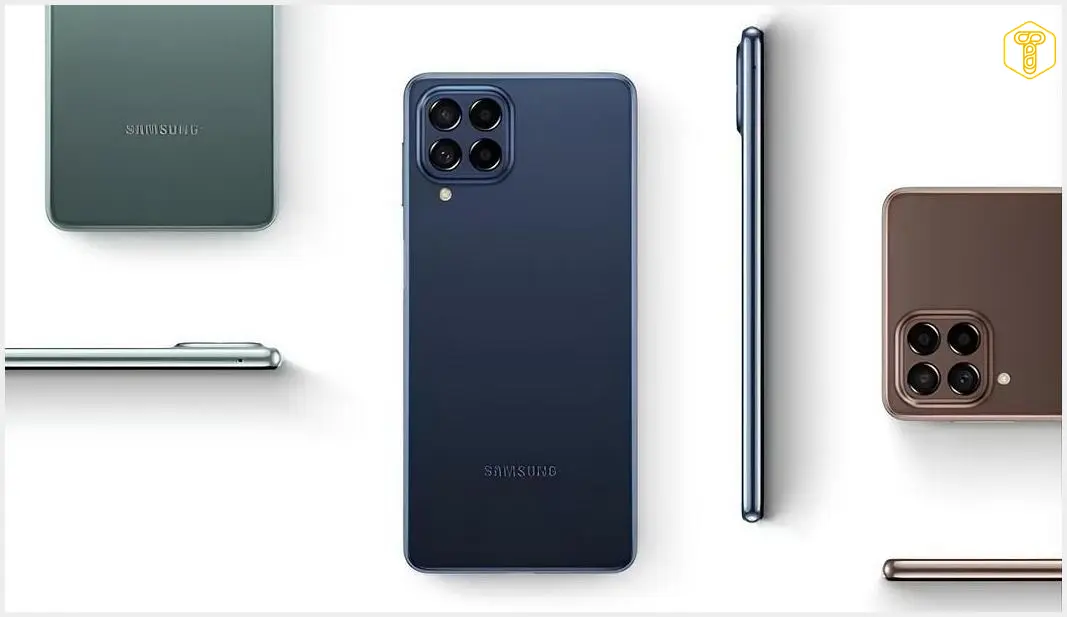
For many, the news might stir a mix of emotions. The Samsung Galaxy M53 5G, a long-standing and popular budget-friendly smartphone, is officially reaching the end of its software update journey. Four years after its initial launch, the device has concluded its cycle of patches, encompassing not only major One UI version upgrades but also crucial security updates.
The Final Update for Samsung Galaxy M53 5G
The very last security patch for the Samsung Galaxy M53 5G was released on May 28, 2026. Bearing the firmware version M536BXXSFGZE2, this update is anticipated to be the final one, according to the preliminary schedule for June’s security releases. This marks the definitive end of official software support for the device.
A Look Back at the Samsung Galaxy M53 5G’s Support Cycle
The Samsung Galaxy M53 5G made its debut in April 2022. Samsung’s typical support policy for such devices aimed for around four years of updates. While the latest patch arrived slightly beyond the initial four-year mark (April 2026), it effectively draws the curtain on continuous software improvements and security enhancements for this model.
This commitment to updates is a hallmark of Samsung’s strategy, extending device longevity for many users. For instance, recent reports highlight continuous support for other models like the Samsung Galaxy A36 and the ongoing security updates for flagship devices like the Samsung Galaxy S23.
Evaluating the Galaxy M53 5G: Still a Capable Device?
Despite the cessation of updates, many users might find it hard to part with their Galaxy M53 5G if it continues to perform well. When it launched, and even now, the device boasted impressive specifications for its price point:
- 108 MP Camera: Capable of capturing detailed photos.
- 120 Hz AMOLED Display: Offering vibrant visuals and smooth scrolling experience.
- 6 GB RAM: Providing a reasonably smooth multitasking experience for a budget smartphone.
Considerations for Current Owners
However, the device also came with certain design choices that might prompt some users to consider an upgrade, especially now that software support has ended:
- Side-mounted Fingerprint Reader: While functional, some users prefer in-display scanners.
- 128 GB Internal Storage: For many, this might feel limited, especially with growing app sizes and media content.
- 5000 mAh Battery: A standard capacity. While sufficient for a day’s use, the market is seeing an increasing trend towards devices with larger batteries, some offering capacities closer to 10,000 mAh.
The end of official updates, coupled with advancements in newer smartphones, particularly those offering extended battery life and updated features, could serve as an excellent catalyst for users to explore newer models – whether from Samsung or other manufacturers.
Frequently Asked Questions (FAQ)
The end of software updates means your device will no longer receive new Android versions, One UI feature enhancements, or crucial security patches. This can leave your phone vulnerable to newly discovered security threats over time and may limit compatibility with future applications that require newer operating system versions.
While your phone will continue to function, its security posture will gradually diminish. Without regular security patches, it becomes more susceptible to malware, viruses, and hacking attempts. It’s generally recommended to upgrade to a supported device for optimal security, especially if you handle sensitive information on your phone.

If you’re looking to upgrade, consider devices that offer a longer software support commitment, enhanced camera features, larger battery capacities (some reaching 10,000 mAh), or more internal storage. Many manufacturers, including Samsung and its competitors, offer excellent mid-range and flagship alternatives with improved specifications and extended update lifecycles.
Source: Sammy Fans. Opening photo: Samsung / press materials
About Post Author