
Contents
Unlock Your Samsung Galaxy’s Full Potential: 5 One UI Settings to Optimize Now
Samsung Galaxy smartphones are packed with an impressive array of features, yet not all of them are essential for daily use. Some can be a source of frustration due to excessive notifications, while others actively collect your data for service personalization. Taking a moment to review your One UI settings can significantly enhance your phone experience and reinforce your privacy.
This guide highlights five key One UI settings that, once adjusted, can lead to a more streamlined and private smartphone experience. These aren’t hidden options or complex system modifications; all changes can be easily implemented directly within your phone’s settings.
Five Essential One UI Settings to Reconsider
Yash Wate from Android Authority identified five specific functions that he frequently disables on new Galaxy devices. These adjustments are straightforward and accessible to all users, regardless of their technical expertise.
1. Disabling the News Feed Screen
Many Samsung Galaxy users encounter a dedicated news feed screen when they swipe all the way to the left on their home screen. This typically displays content from Samsung News or Google Discover. While this can be a convenient feature for individuals who regularly follow news updates, it’s not universally beneficial. For those who already use a dedicated news application, this extra screen can feel redundant and even disruptive.
A common complaint is that this screen can be accidentally triggered while navigating the home screen. Furthermore, it may contribute to increased internet data usage and battery consumption in the background. To disable this feature, simply navigate to the news feed screen itself, access its settings, and toggle off the activation switch.
2. Limiting Notifications from Galaxy Store
The Samsung Galaxy Store serves as more than just a portal for downloading applications. It also offers a vast selection of themes, fonts, and icon packs. However, it often bombards users with promotions and offers that may not align with their interests.
You don’t need to block all notifications from the Galaxy Store entirely. Instead, you can selectively manage them. Go to your phone’s settings, tap on “Apps,” select “Galaxy Store,” then “Notifications,” and finally “Notification categories.” Here, you can disable marketing-related information while retaining essential notifications about downloads and ongoing operations. If the categories aren’t immediately visible, you might first need to enable their management in the advanced notification settings.
3. Managing Samsung Wallet Quick Launch
The quick launch gesture for Samsung Wallet is another feature worth reviewing. By default, you can open Wallet by swiping up from the bottom edge of your screen. This can become problematic, particularly if you rely on gesture navigation. An attempt to return to the home screen or switch between recent applications might inadvertently launch Samsung Wallet, disrupting your workflow.
This gesture can be disabled within the Samsung Wallet settings, under the quick access section. If you frequently use your phone for payments, a more convenient alternative might be to assign Wallet to a double-press of the side button. However, keep in mind that this will replace any existing shortcut tied to that action, such as launching the camera.

4. Adjusting Customization Service Settings
Beyond convenience, privacy is a significant concern for many smartphone users. The Customization Service, Samsung’s personalization service, utilizes your data to tailor content and services. This feature may process data related to your device, app usage patterns, and location to provide personalized recommendations and targeted advertisements.
If these personalized conveniences aren’t a priority for you, this service can be disabled. Navigate to your Samsung account settings, then to the “Security and privacy” section, and finally “Customization Service.” Deactivating this will prevent further data collection for this specific function, though it will not automatically delete previously collected information.
5. Disabling Personal Data Intelligence
Our final recommendation focuses on Personal Data Intelligence, a mechanism used by select Galaxy AI features. This system processes information about how you use your phone to generate contextual suggestions, power features like Now Brief, and facilitate natural language searches within your Gallery. You can learn more about exciting new features in One UI 9 which may utilize such intelligence.
However, not all users actively utilize these AI capabilities. If you find these AI functions unnecessary for your daily tasks, you can disable Personal Data Intelligence. To do this, open your phone’s settings, go to “Security and privacy,” and then select “More privacy settings.” Samsung also provides the flexibility to disable individual AI features without having to switch off all available solutions.
Making Informed Choices for Your Galaxy Experience
It’s important to understand that not every setting mentioned here must be disabled. The news feed screen can be genuinely useful for some, the Samsung Wallet gesture might be convenient for others, and personalization can indeed streamline your daily phone usage. The key takeaway is to be aware of which functions are active by default and which you have the option to adjust or disable.
Please note that the availability of specific options may vary depending on your smartphone model and the version of One UI running on your device. Not all described settings will be found on every Galaxy phone.
Frequently Asked Questions (FAQ)
While disabling features like the news feed or certain background services can offer marginal improvements in battery life and potentially reduce data usage, the impact on overall performance for most modern Samsung Galaxy devices is often minimal. The primary benefits are typically enhanced privacy and a reduction in unwanted notifications or accidental activations.
No, disabling the Customization Service only stops future data collection for personalization purposes. It does not automatically delete data that has been gathered prior to deactivation. If you wish to inquire about or request the deletion of your personal data, you may need to contact Samsung’s support or refer to their privacy policy for data management options.
All the settings discussed in this article are reversible. You can re-enable any of these features at any time by following the same navigation paths in your phone’s settings and toggling them back on. This allows you to experiment and customize your device to best suit your preferences.
Samsung’s One UI is its custom Android overlay, and features or the exact location of settings can change with different versions. Newer One UI versions might introduce new features, refine existing ones, or move options to different menus for better organization. Therefore, the availability and precise steps for these adjustments can vary based on your device’s One UI version.
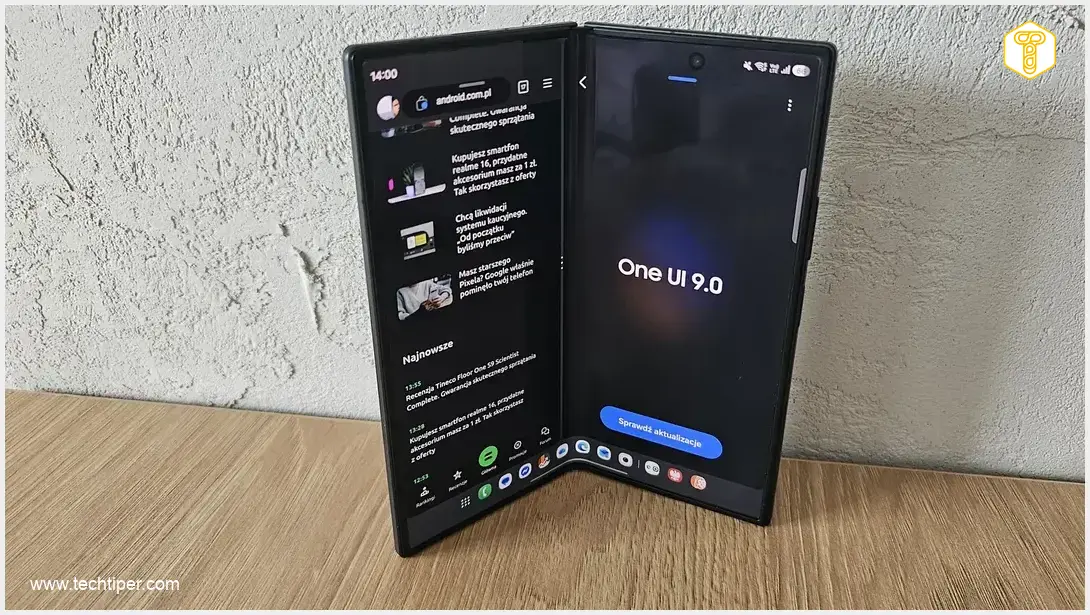
Source: Android Authority. Opening photo: Adam Lulek
About Post Author