Contents

One UI 9 Brings Pixel-Style Search Bar to Samsung Galaxy Phones
A significant interface update has arrived for Samsung Galaxy smartphones with One UI 9, introducing a feature that brings its home screen experience notably closer to that of Google Pixel devices. While owners of the newest foldable models can immediately experience this change, the innovation is set to reach a broader range of Samsung phones in the near future.

The Evolution of Search: Samsung Adds Home Screen Search Bar in One UI 9
The One UI 9 update has started rolling out, making its debut on devices like the Galaxy Z Fold8 and Galaxy Z Fold8 Ultra (the article also mentions a Galaxy Z Flip8). This update might come as a pleasant surprise for many, especially those familiar with the streamlined interface of Pixel phones.
With One UI 9, the home screen gains an optional, dedicated search bar positioned prominently at its bottom. This strategic placement ensures easy one-handed access, residing conveniently between your quick access app icons and desktop shortcuts. This design choice mirrors the user-centric approach seen in Google’s Pixel lineup, where a similar search functionality is a core part of the home screen layout.
Dual Power: Google Search Meets Samsung Finder
One of the most user-friendly aspects of this new integration is the choice it offers. Within the widget settings, users can enable not only Google’s renowned search bar but also Samsung’s alternative, Finder. Finder is Samsung’s integrated search tool that allows users to quickly locate apps, settings, files, and even content within apps on their device. This dual option provides flexibility, catering to different user preferences for device and web search.
For those who prefer a minimalist home screen or rely on other search methods, both the Google Search and Finder bars can be easily disabled. This commitment to user customization ensures that the update enhances, rather than detracts from, the personalized Android experience.
Samsung continually refines its One UI to offer a highly customizable and intuitive experience. For instance, recent updates have also focused on enhancing quick settings customization, though some delays have been noted in broader rollouts, as discussed in Samsung One UI 8.5 Quick Settings Customization Delay.
How to Activate Your New Home Screen Search Bar
Enabling this convenient new feature is straightforward:
- Long-press an empty space on your home screen.
- Select the “Widgets” option (or similar, if not directly “Show search engine” as per original text, which is less common for widget activation). If a “Show search engine” option appears directly, choose that. Otherwise, navigate to widgets.
- Look for search-related widgets or a specific setting to “Show search bar” or “Search Provider.”
- From the subsequent menu, you can then select your preferred service provider: either Google or Samsung Finder.
This simple activation process ensures that users can quickly tailor their home screen to their exact needs, bringing essential search functionality to their fingertips.
The Broader Picture: Samsung’s Alignment with Modern Mobile UX
This move by Samsung isn’t just about adding a search bar; it reflects a broader trend in mobile user experience design where quick access to information and device functions is paramount. By integrating a prominent search bar, Samsung is not only enhancing usability but also aligning its flagship One UI with the intuitive, information-at-a-glance philosophy popularized by devices like the Google Pixel series.
For users who appreciate cutting-edge features and seamless integration, exploring options like the Google Pixel 10 Pro can offer insights into the advanced functionalities shaping the smartphone market.
Frequently Asked Questions (FAQ)
The One UI 9 update, including the new home screen search bar, is initially rolling out to Samsung’s latest foldable phones, such as the Galaxy Z Fold8 and Galaxy Z Fold8 Ultra (as mentioned in the source article). It is expected to become available for a wider range of Samsung Galaxy devices in subsequent updates.
Google Search is a comprehensive web search engine, primarily used for finding information on the internet. Samsung Finder, on the other hand, is a device-centric search tool designed to help you quickly locate apps, contacts, settings, files, and even content within apps directly on your Samsung device. You can choose which one to display on your home screen.
Yes, Samsung has provided options to disable both the Google Search bar and the Samsung Finder bar from your home screen. This allows users to maintain their preferred home screen layout and customization.
The integration of a prominent home screen search bar significantly streamlines access to information and device functions. It allows for quicker web searches, faster discovery of apps and settings, and an overall more efficient user experience, reducing the need to navigate through multiple menus or app drawers.
Source: 9 to 5 Google
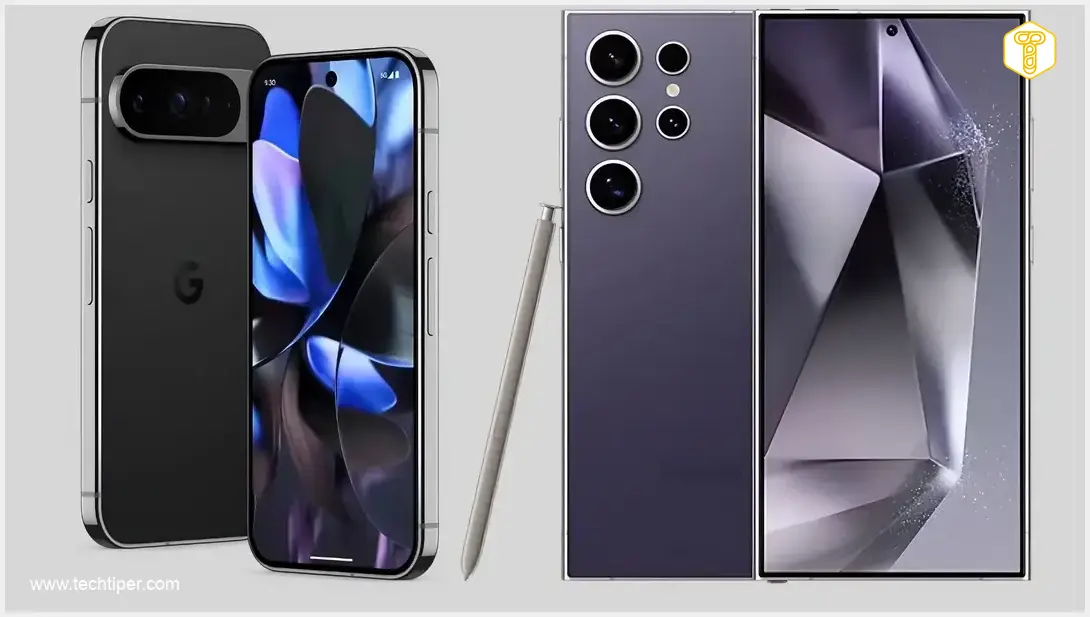
Opening photo: Google / Samsung / Press materials, self-assembly
About Post Author