

Contents
“If You Say No, They Won’t Respond Again.” The Absurd Price of the Steam Machine Unveiled.
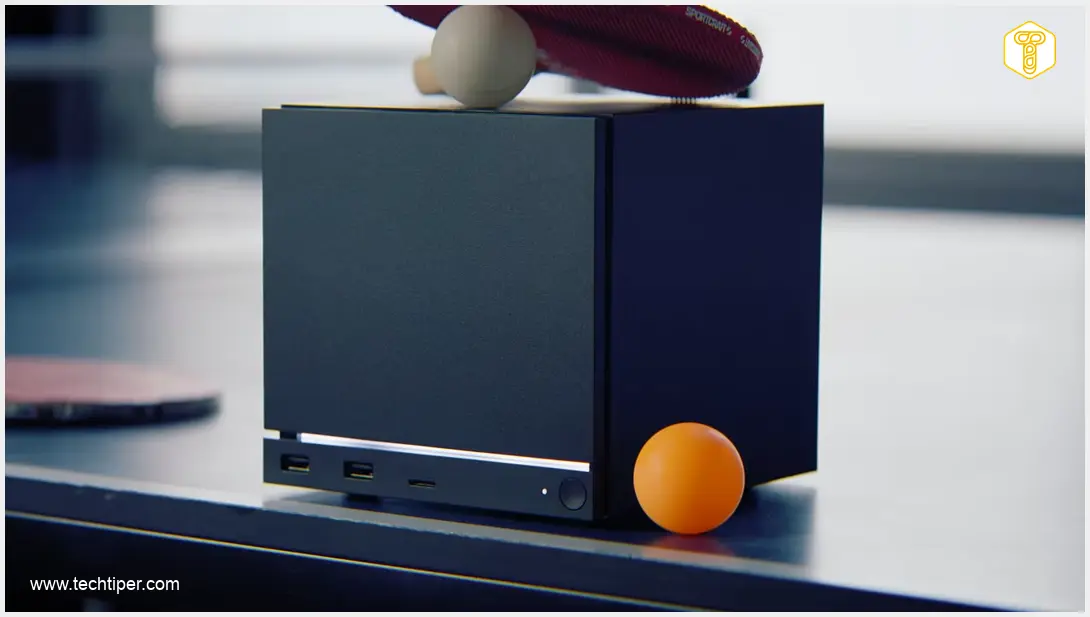
The initial pricing for Valve’s Steam Machine series sent shockwaves through the gaming industry. With some models, such as a 512GB version, hitting over $1,000 USD without a controller included, many observers felt it was a non-starter even before its official release. However, Valve developers quickly clarified the situation, shedding light on the complex and challenging landscape of the current RAM market.
The Global RAM Shortage and Steam Machine’s Woes
The core of the problem, according to Valve, lay in the procurement of Random Access Memory (RAM). A company employee, speaking with Steve Burke of Gamers Nexus, revealed the stark reality of their negotiations with RAM distributors.
“There was no contract, there was nothing,” explained the Valve representative. “Every month, we get a price and available allocation. ‘Are you buying, or not?’ If you say no, they won’t respond again.”
This “take it or leave it” approach highlights a market dynamic that many would describe as akin to blackmail. While market forces are often unforgiving, these methods appear brutal to external observers, demonstrating the intense pressure on hardware manufacturers.
Inside the RAM Market: An Oligopoly’s Grip
The difficulties faced by Valve are not isolated incidents but rather a symptom of a highly concentrated global RAM market. According to data from Counterpoint Research for Q1 2026, an astonishing 89% of global DRAM production is controlled by just three major companies:
- Samsung: 38%
- SK Hynix: 29%
- Micron: 22%
These dominant players find it most profitable to sell RAM in massive bulk orders, primarily to data centers. This strategic prioritization means that significant quantities of available memory are snapped up by tech titans such as NVIDIA, OpenAI, Google, and Amazon. In this high-stakes environment, even a platform owner as influential as Valve appears to be a minor player, especially considering that hardware development, including the Steam Machine, is not their primary business focus.
This market dynamic isn’t unique to Valve; other sectors, including mobile phones, face similar pressures. The rising cost of RAM and supply chain challenges can significantly impact profit margins for devices like the Samsung Galaxy S26, leading to market struggles and potential profitability crises across the tech industry.
Early Insights from Gamers Nexus
Gamers Nexus was one of the few media outlets granted early access for a Steam Machine review, offering crucial insights into its specifications. Their coverage, particularly a segment on RAM starting around the 12:48 mark in their video, revealed that two versions of the console existed:
- One with a single 16GB RAM module.
- Another with two 8GB RAM modules.
This compromise in module configuration underscores the challenges Valve faced in securing adequate and consistent supplies for their ambitious new device.

The Future of Console Hardware: PlayStation 6 and Beyond
The Steam Machine’s pricing dilemma raises a crucial question: How will other major console manufacturers, such as Sony, navigate similar challenges for future products? The highly anticipated PlayStation 6, rumored to launch around late 2027, will undoubtedly contend with these same market forces. Speculation and analyst predictions about the PlayStation 6’s price and specifications are already rife, indicating a keen industry awareness of these supply chain pressures.
As technology advances and demand for high-performance memory continues to surge from diverse sectors, the strategic procurement of RAM will remain a critical factor in determining the feasibility and pricing of next-generation gaming hardware.
Frequently Asked Questions (FAQ)
The high initial price of the Steam Machine was largely attributed to the challenging global market for RAM. Valve reported difficulties in securing memory modules, facing non-negotiable pricing and limited allocations from the dominant RAM manufacturers.
The global RAM (DRAM) market is highly concentrated, with three major companies—Samsung, SK Hynix, and Micron—controlling approximately 89% of production. This oligopoly allows them significant leverage over pricing and supply.
Major tech companies like NVIDIA, OpenAI, Google, and Amazon place massive, consistent orders for RAM to supply their data centers and AI infrastructure. These large-volume purchases often take precedence, limiting the supply available for smaller-volume consumers like gaming hardware manufacturers and driving up prices.
Yes, it is highly probable that future gaming consoles, including the PlayStation 6, will face similar RAM market challenges. The ongoing high demand for memory from data centers and other tech sectors is expected to continue, influencing component availability and pricing for next-generation hardware.
Source: Gamers Nexus. Opening photo: Valve / Press Materials
About Post Author
