
Contents
The Renewable Energy Revolution: Powering Our Future
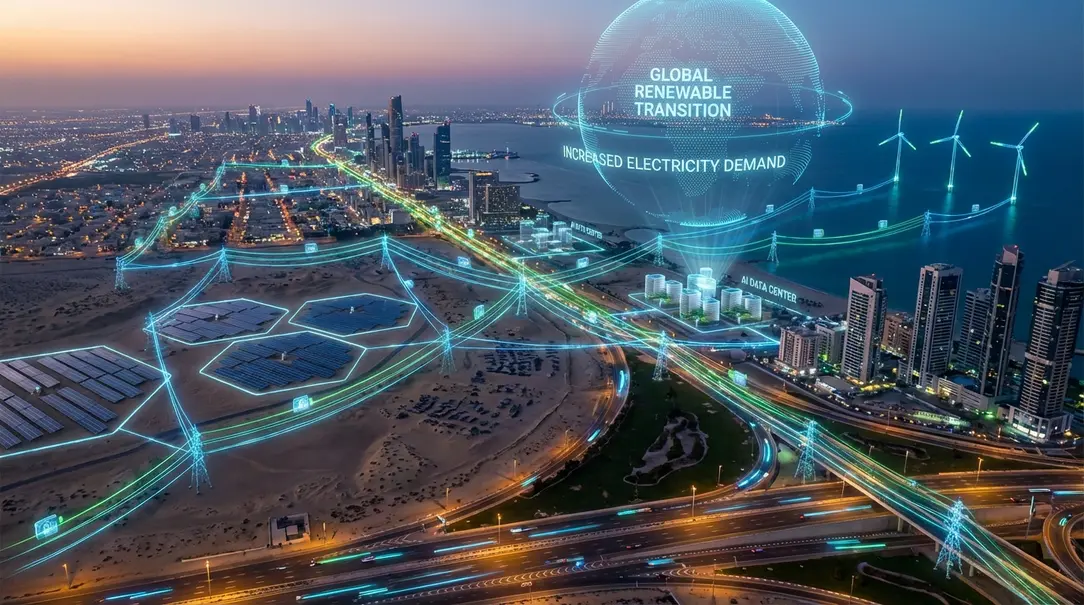
Global electricity consumption is on a relentless upward trajectory, driven by technological advancements and evolving societal needs. While coal has historically been the primary energy source, a significant transformation is underway. Renewable energy sources are poised to displace fossil fuels, promising a future with more sustainable and potentially more affordable electricity prices.
Surging Global Electricity Demand
A recent report from the International Energy Agency (IEA) sheds light on the projected future of the power sector through 2030. The report forecasts a substantial increase in global electricity demand, with an annual growth rate of up to 3.5% in the coming years. This surge is fueled by several key factors:
- Energy-Intensive AI Data Centers: The exponential growth of Artificial Intelligence (AI) requires vast computational power, leading to a significant increase in demand from data centers.
- Electromobility: The rapid adoption of electric vehicles (EVs) across the globe contributes substantially to the overall electricity consumption.
Interestingly, a majority of this escalating energy demand is originating from emerging markets, which are undergoing rapid industrialization and urbanization.
The Dawn of a New Energy Era: Renewables Take Center Stage
The next four years are expected to bring about profound shifts in the global energy landscape. By 2030, a monumental milestone is anticipated: nuclear and renewable energy sources combined are projected to generate over half of the world’s electricity. This marks a substantial increase from the current 42% share, with these clean energy sources growing at an impressive rate of 8% annually.
This rapid development of renewable energy signifies the gradual phasing out of coal, which has long served as the foundational energy resource. Cities worldwide are already committing to this transition, with Los Angeles being a prime example of a major metropolis actively moving away from coal-fired power.
Building a Resilient Grid: The Infrastructure Challenge
The increasing prominence of renewable energy sources in the coming years is undeniable. However, for this energy transformation to succeed seamlessly, substantial investments in grid infrastructure are imperative. The value of these necessary infrastructure upgrades could increase by as much as 50% by 2030.
The journey towards a fully renewable-powered grid faces several critical challenges:
- Enhanced Cybersecurity Threats: As energy systems become more interconnected and digitized, they become more vulnerable to sophisticated cyberattacks.
- Extreme Weather Conditions: Renewable energy installations and the grid itself must be designed to withstand increasingly frequent and intense extreme weather events.
- Outdated Installations: Many existing grid components are aging and require modernization to integrate new renewable technologies efficiently and reliably.
Furthermore, ensuring affordable and stable electricity prices is crucial. These prices must align with the actual costs of energy generation and distribution. This is particularly vital in many countries where electricity costs are rising disproportionately to the average resident’s income, impacting household budgets and economic stability.
The Path Forward: A Sustainable and Accessible Energy Future
The transition to a predominantly renewable energy grid represents a pivotal moment in global sustainability efforts. While challenges remain, concerted investments in infrastructure, robust cybersecurity measures, and policies focused on energy affordability will pave the way for a more resilient, clean, and accessible energy future for everyone.
Frequently Asked Questions (FAQ)
Q1: Why is global electricity demand increasing?
Global electricity demand is primarily increasing due to the rapid growth of energy-intensive AI data centers and the widespread adoption of electric vehicles (EVs). Emerging markets are also significant contributors to this rising demand.
Q2: What role will renewable energy play in the future?
By 2030, nuclear and renewable energy sources are projected to generate over half of the world’s electricity, growing at an annual rate of 8%. They are set to become the dominant sources of power, gradually replacing fossil fuels like coal.
Q3: What are the main challenges for renewable energy infrastructure?
Key challenges include strengthening grid infrastructure to handle increased capacity, safeguarding against cyberattacks, designing systems resilient to extreme weather conditions, and modernizing outdated power installations.
Q4: How will this impact electricity prices?
While the long-term goal is more affordable electricity due to renewable energy, the transition requires significant infrastructure investments. Ensuring that prices remain affordable and consistent with real costs is a critical challenge, especially in regions where energy costs are currently rising faster than incomes.
About Post Author
