

Contents
TP-Link Unveils First Consumer Wi-Fi 8 Routers: A Leap Towards Ultra-Reliable Home Networks
The Wi-Fi 7 standard has only recently entered the market, and while it’s still making its way into homes, something even more advanced is already on the horizon. TP-Link is set to introduce the first Wi-Fi 8 routers for the commercial market. These new devices promise not just higher transfer speeds but, more importantly, enhanced stability, reduced latency, and more efficient operation in crowded home networks.
What is Wi-Fi 8? Introducing Ultra High Reliability (UHR)
Wi-Fi 8 is the marketing designation for the developing IEEE 802.11bn standard, also known as Ultra High Reliability (UHR). Unlike previous generations that primarily focused on theoretical speed increases, Wi-Fi 8’s core emphasis is on connection reliability, extended range, and smoother device performance, especially when moving between access points. This strategic shift is crucial for today’s connected environments.
This new direction is particularly significant for apartments and homes where a single network simultaneously serves numerous devices, including smartphones, computers, televisions, gaming consoles, security cameras, smart home sensors, and various Internet of Things (IoT) devices. The Wireless Broadband Alliance (WBA) highlights that the increasing demands of AI, Augmented Reality (AR), Virtual Reality (VR) applications, robotics, and the Industrial Internet of Things (IIoT) necessitate significant improvements in network resilience, latency, spectrum efficiency, and power consumption. Wi-Fi 8 aims to meet these growing needs head-on, ensuring a seamless and uninterrupted digital experience for all users. For those interested in the broader context of network advancements, exploring the fastest internet network in the world can provide further insights into the future of connectivity.
TP-Link’s Commitment to Wi-Fi 8
TP-Link is taking an early lead in adopting Wi-Fi 8, recognizing its potential to revolutionize home and commercial networking. Their initial offerings demonstrate a clear focus on the standard’s core promise: unparalleled stability and reliability.
First to Arrive: The TP-Link Archer 8 Ultra BN19000
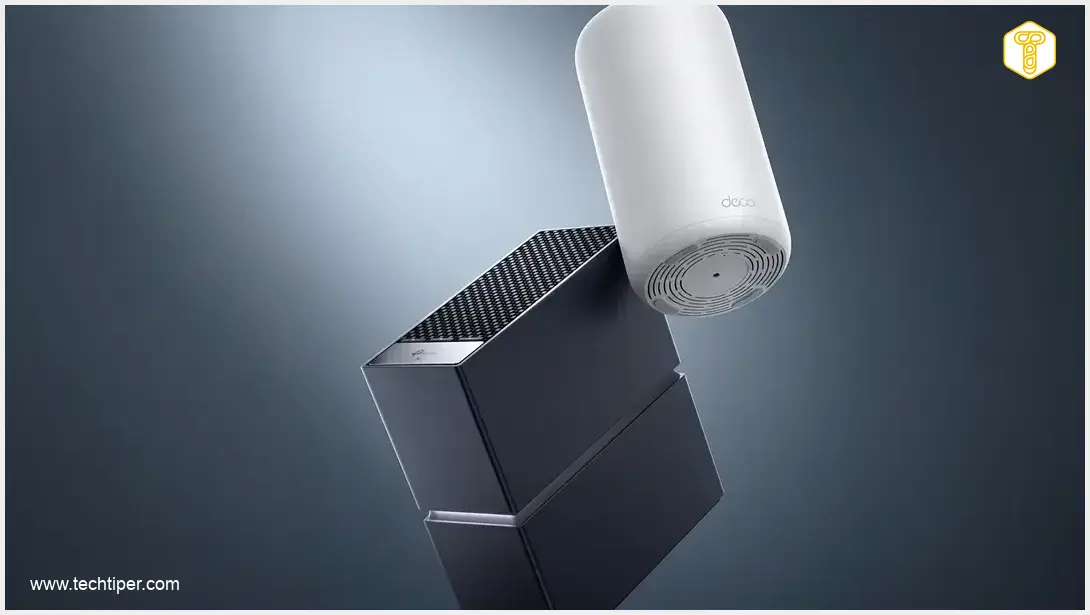
The first device expected to hit the market is the TP-Link Archer 8 Ultra BN19000. This is a tri-band Wi-Fi 8 router, with the manufacturer claiming a combined wireless throughput of up to 19 Gbps.
Key features of the Archer 8 Ultra BN19000 include:
- Advanced Antenna Design: Utilizes 18 internal antennas for optimized signal coverage and strength.
- High-Speed Wired Connectivity: Offers 10 Gbps wired connections, essential for users with high-speed fiber optic internet, Network Attached Storage (NAS) devices, and for transferring large files locally.
- Seamless Integration Design: Designed with a minimalist and compact aesthetic to blend discreetly into any home environment. Gary Chang, Global Lead Industrial Designer at TP-Link, stated, “We stopped thinking of this device purely as networking hardware and started designing it with the home space in mind. When a router becomes an object users want to display, it ends up precisely where it can perform best.”
The full specifications for the Wi-Fi 8 line of devices are scheduled to be officially unveiled on September 30th. Pre-orders for the new router are expected to begin in select markets around the same time.
Introducing the Deco 8 Ultra BN22000 (Coming in 2027)
Another significant announcement is the Deco 8 Ultra BN22000, a tri-band Wi-Fi 8 mesh system. TP-Link states that this system will achieve a combined wireless speed of up to 22 Gbps and feature 10 Gbps ports. These high-speed ports will facilitate the creation of a robust wired backbone between mesh units, crucial for maximizing performance across the network.
The manufacturer suggests that three Deco 8 Ultra units could cover an area of approximately 910 square meters (about 9,800 square feet) and support over 200 connected devices. It’s important to note that these figures are declared under ideal conditions and can vary depending on building layout, wall materials, radio interference, and the configuration of individual mesh nodes. The Deco system is slated for release in the first quarter of 2027. TP-Link also announced plans to expand the Wi-Fi 8 family to include the Roam 8 travel router, signal boosters, and PCIe/USB network adapters, further enhancing their ecosystem. This commitment to diverse networking solutions also extends to outdoor environments, with innovations like the TP-Link EAP610 Outdoor access point setting new standards.

Stability Takes Precedence Over Raw Speed
TP-Link is emphasizing its new devices through the Wi-Fi 8 StabilityEngine solution. This technology aims to improve transmission reliability, especially in challenging conditions such as at the edge of the coverage range or in environments with a high number of competing networks and devices.
In practical terms, the benefits of Wi-Fi 8 may not solely be reflected in higher speed test results. Users are more likely to experience tangible improvements through a reduction in momentary drops in transmission quality during video calls, cloud gaming, remote work, or when using smart home devices. This focus on consistent performance over peak theoretical speeds represents a significant shift in network technology.
The Evolving Wi-Fi 8 Ecosystem: What You Need to Know
It’s crucial to remember that Wi-Fi 8 is an evolving technology, and the market for compatible client devices is still emerging. Simply purchasing a new-generation router will not automatically enable your current smartphone or laptop to leverage all the new mechanisms of the standard. Compatible Wi-Fi chipsets will also be required in your end devices to fully experience the benefits of Wi-Fi 8.
Frequently Asked Questions (FAQ)
While Wi-Fi 7 focused heavily on maximizing theoretical speeds, Wi-Fi 8 (IEEE 802.11bn, Ultra High Reliability) prioritizes connection reliability, extended range, lower latency, and stable performance in congested environments and when devices roam between access points. It aims for a more consistent and robust user experience rather than just peak speed numbers.
TP-Link’s first Wi-Fi 8 router, the Archer 8 Ultra BN19000, is expected to launch with pre-orders around September 30th. However, their mesh system, the Deco 8 Ultra BN22000, is slated for release in the first quarter of 2027. Wider adoption and availability of client devices will likely follow later.
No, not fully. While a Wi-Fi 8 router might offer some general network improvements, to fully utilize the advanced features and benefits of the Wi-Fi 8 standard, your end devices (smartphones, laptops, etc.) will also need to be equipped with compatible Wi-Fi 8 chipsets. This ecosystem of client devices is currently still developing.
Wi-Fi 8 is designed with “Ultra High Reliability” to perform exceptionally well in crowded network environments. It aims to reduce interference and optimize spectrum usage, ensuring smoother operation for multiple connected devices like smart home gadgets, streaming devices, and gaming consoles, even when the network is heavily utilized.
TP-Link’s StabilityEngine is a proprietary solution integrated into their Wi-Fi 8 devices. It’s designed to enhance transmission reliability under challenging conditions, such as at the edge of Wi-Fi coverage or in areas with many competing Wi-Fi networks. This technology aims to provide a more consistent and uninterrupted network experience.
About Post Author
