

Contents
Varta Faces Insolvency: The Aftermath of Funding Refusal and Global Supply Chain Pressures
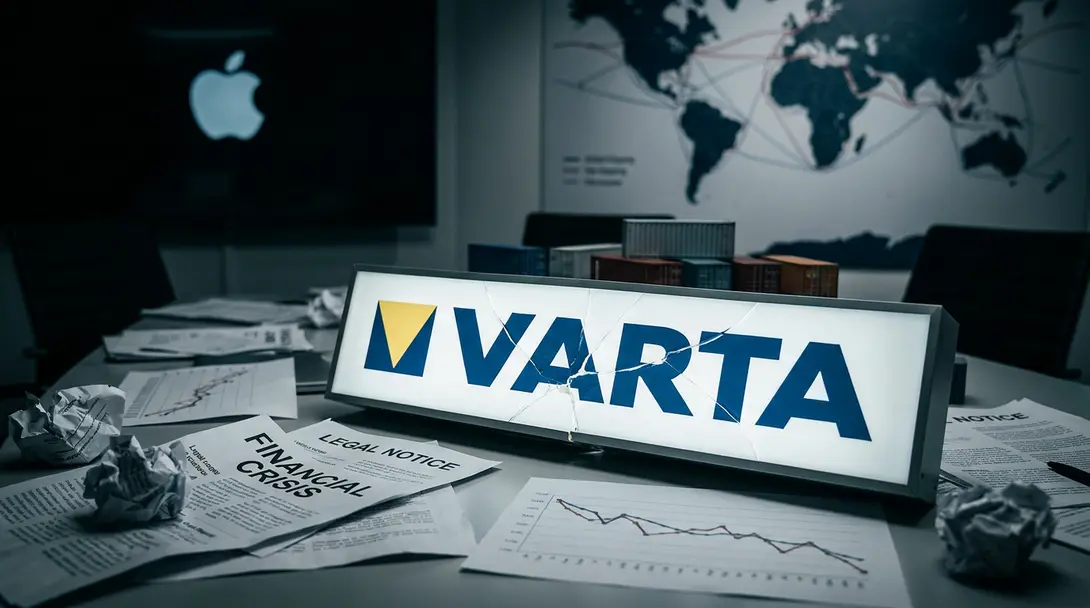
Varta, a once-prominent European battery manufacturer, is navigating a severe financial crisis. Following a refusal of further funding from its principal shareholders, the company has filed four insolvency petitions, with creditors now poised to dissect its most valuable assets. The collapse of the Ellwangen-based firm starkly illustrates the harsh realities of global supply chains and the profound challenges faced by European manufacturers in a competitive global landscape.
Varta Files for Insolvency
On July 24, 2026, Varta officially initiated insolvency proceedings, filing four petitions with the district court in Stuttgart, Germany. This action culminates several years of mounting financial difficulties for the battery giant. Despite previous debt restructuring efforts and delisting from the stock exchange, Varta struggled to establish a sustainable funding model, even after multiple rounds of recapitalization.
A critical turning point arrived with the refusal of further financial backing from its major shareholders: luxury sports car manufacturer Porsche AG and investor Michael Tojner. Both entities had previously participated in rescue efforts, gaining significant influence over Varta’s ownership structure. The halt of new capital left Varta’s management with no viable alternative, making the insolvency filing the only path for potential long-term survival.
It’s important to note that Varta’s successful domestic battery business, which focuses on household energy storage solutions, is not part of these insolvency proceedings and continues to operate.
Creditors Eye Varta’s Assets
Varta now confronts the significant risk of being fragmented and sold off in parts. Major creditors, including prominent institutions such as Deutsche Bank and the investment fund Blantyre Capital, have expressed intentions to acquire and spin off the company’s profitable household battery division from the rest of the group.
Concurrently, investor Michael Tojner has shown interest in taking over Varta’s microbattery operations, a segment that, until recently, was considered one of the company’s most promising. These microbatteries are crucial components for devices like hearing aids and other small electronics.
The Impact of Losing Apple’s Business
A pivotal factor contributing to Varta’s declining market position was the loss of Apple as a key client for microbatteries used in its popular AirPods. In the spring of 2026, the Cupertino-based tech giant decided to source its CoinPower cells from a Chinese supplier. This decision meant Varta was no longer considered for Apple’s new product lines, including potential advancements like AirPods Max 2 with live translation. The shift resulted in a dramatic reduction in orders and subsequent workforce reductions for the German manufacturer.
Global Competition and Supply Chain Pressures
Intense competition from East Asian manufacturers and persistent global supply chain disruptions further impeded Varta’s growth and development. Consequently, the company’s factory in Nördlingen, Bavaria, which employs approximately 350 individuals, is slated for closure by autumn of this year.
The insolvency of Varta transcends the challenges of a single manufacturer; it serves as a significant warning for the broader German industrial sector and European industrial policy. Varta was a vital component of Germany’s domestic battery production ecosystem. Its current predicament highlights the profound dependence of European suppliers on a limited number of global customers and decisions made outside the European Union, particularly those driven by the pursuit of lower production costs in Asia. This situation underscores the ongoing debate around EU removable batteries mandates and their impact on tech giants.

Frequently Asked Questions (FAQ)
Varta filed for insolvency primarily due to several years of financial difficulties, a failure to establish a sustainable funding model despite prior recapitalizations, and a critical refusal of further financial backing from its major shareholders, Porsche AG and Michael Tojner.
Losing Apple as a key client for microbatteries in AirPods significantly weakened Varta’s market position. In early 2026, Apple opted for a Chinese supplier for its CoinPower cells, leading to a sharp drop in orders and necessitating workforce reductions at Varta.
No, Varta’s successful domestic battery business, which focuses on household energy storage solutions, is specifically excluded from the current insolvency proceedings. However, other parts, including microbattery operations, face potential acquisition or spin-off by creditors.
Varta’s insolvency serves as a warning for the German industrial sector and European industrial policy. It highlights the vulnerability of European suppliers to global competition and decisions made outside the EU, particularly concerning the pursuit of lower production costs in Asia, and underscores the need for robust domestic manufacturing ecosystems.
Source: Bloomberg, Reuters, Handelsblatt. Opening photo: Maksym Kozlenko / Wikimedia Commons / CC BY-SA 4.0
About Post Author
