
Contents
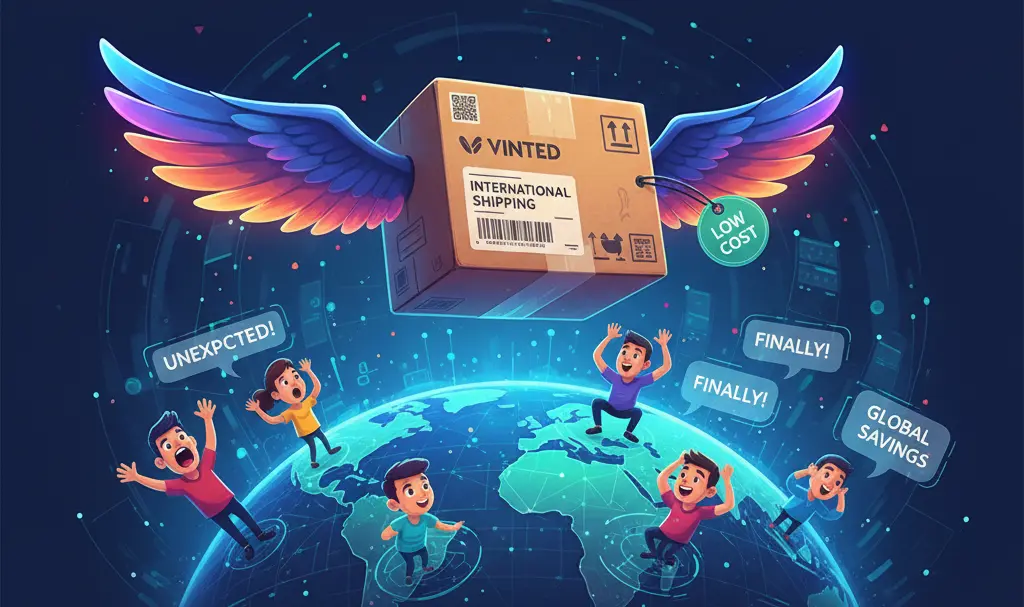
Vinted: The Unexpected Solution for Affordable Parcel Delivery
More and more people are turning to Vinted, not just to sell clothes, but also to send parcels at a significantly lower cost. Instead of using traditional courier services, users are creating fictitious listings and paying mere dollars for transport. However, the platform is well aware of this trend, and if the situation doesn’t change, Vinted may soon introduce restrictions.
Utilizing Vinted as a Courier Service Alternative
The practice of “cheaper Vinted shipments” has been under scrutiny by European media for several months. Dutch news outlet AD.nl was among the first to report on users exploiting the platform to reduce transportation costs. These individuals would list fictitious products for a symbolic amount and then arrange for friends or family members to “purchase” them. This strategy allowed them to leverage Vinted’s preferential shipping rates, which the platform negotiates with carriers.
Online, many users quickly admitted to treating Vinted as a more affordable alternative to traditional courier companies, primarily due to the significant savings. One user shared that instead of paying $60 for shipping, they listed an item on Vinted and sent the package for almost ten times less.
When asked for a statement, Vinted representatives emphasized that such activities violate the platform’s terms and conditions. The company stated, “Even if the scale of the phenomenon is marginal, these types of practices undermine trust between users and can affect the quality of the overall platform experience.”
Vinted also added that accounts found to be violating these rules would be blocked, and their security teams are actively monitoring suspicious transactions. The challenge, however, lies in the thin line between a “symbolic dollar sale” and outright misuse.
A Global Phenomenon: Cheap Vinted Shipping Beyond Borders
This trend isn’t limited to the Netherlands. French media reported the story of a young woman who, when moving from Bordeaux to Lyon, shipped her belongings through Vinted. Similarly, Spanish media highlighted instances where parents would pack suitcases for their student children, list them “for sale,” and then ship them to another country, paying a few dollars for delivery instead of several dozen.
This isn’t surprising. People have always sought cheaper methods and ways to navigate systems, especially with the current high costs of shipping larger items. The problem arises when such abuses begin to impact the entire market.
Vinted’s favorable rates stem from B2B agreements with couriers, not individual customer offers. If these “clever” transactions continue to increase, transport companies may raise their prices, consequently affecting even genuine sellers of clothing.
American Users Also Seek Savings on Vinted
Unfortunately, this questionable trend has also gained traction among users in the United States. Members of online groups openly admit to listing “unusual” items simply to generate a shipping label. A standard parcel can cost several tens of dollars, whereas through Vinted, it might be a symbolic dollar. The pattern is identical to those observed in Europe.
“When shipments were $1 or $5, and I needed to send something to friends, I would list the first random item I had on hand,” confessed one user in an online community.
Considering the price differences, it’s hardly surprising. The ability to send a large, heavy item for just a few dollars (or even a single dollar) is very tempting. For many, it’s seen not as fraud, but as ingenuity.
Courier Companies vs. Vinted: The Real Price Difference
Are traditional shipping prices high enough to warrant using Vinted outside its intended purpose? For a small package, the savings might not be substantial enough to justify the effort, with typical shipping costs around $20. So, for minor items, it might not be a significant saving.
However, the situation changes significantly when shipping larger items. In the best-case scenario, you might pay around $45, but in the worst, it could be up to $240 through conventional services.
Comparison websites for courier services, while offering a clear picture of potential costs, often include their own commission as brokers. These platforms negotiate bulk agreements with couriers for lower base rates and then add their fees for intermediation, platform maintenance, payment processing, label generation, e-commerce integrations, and customer support.
Despite these added fees, these comparisons clearly illustrate that the costs for specific parcel dimensions can be considerable. It’s hard to argue against the fact that these amounts are substantial.
Vinted: A Remedy for Exorbitantly Priced Shipments
This is where Vinted comes in. If courier companies price the transport of a larger item at several tens of dollars, it’s quite understandable that buyers will look for any way to save money—even if it means bending the rules.
For example, if you plan to buy a larger second-hand item, the shipping cost could easily exceed the item’s value. Vinted, however, might offer a shipping option for under $7.
While buyer protection fees need to be added to the final sum, the overall cost remains significantly lower. This likely drives users to treat the platform as a cheaper alternative for standard parcel deliveries.
The Looming Consequences of Exploiting the System
The problem is that every “clever loophole” works only until too many people start using it. If misuse continues to grow, Vinted and its courier partners will likely raise prices, restrict shipping options, or begin to verify transactions more thoroughly.
When that happens, the era of cheap “dummy” parcel shipments may end faster than it began. While the internet loves creative system workarounds, the system usually learns to close its back doors sooner or later.
Frequently Asked Questions (FAQ)
What is the “fake listing” method on Vinted?
The “fake listing” method involves users creating a fictitious item listing on Vinted for a symbolic price. They then arrange for a friend or family member to “buy” this item, allowing them to use Vinted’s deeply discounted shipping labels for personal parcel delivery, effectively bypassing higher traditional courier costs.
Why are people using Vinted for cheap shipping?
Users are turning to Vinted for shipping due to the significantly lower rates it offers compared to traditional courier services, especially for larger or heavier items. Vinted has negotiated preferential bulk rates with carriers, making it an attractive, unofficial alternative for cost-conscious individuals.
Is using Vinted for parcel delivery against its rules?
Yes, Vinted has stated that using its platform for purposes other than genuine buying and selling of second-hand items, such as for cheap parcel forwarding, is against its terms and conditions. Accounts found engaging in such practices may be blocked.
What are the potential consequences of this practice?
If the misuse of Vinted’s shipping services continues to grow, it could lead to the platform and its courier partners raising prices for everyone, introducing stricter shipping restrictions, or implementing more thorough transaction verification processes. This could eliminate the cost advantage for all users.
Will Vinted’s shipping prices increase for everyone?
There is a significant risk that Vinted’s shipping prices could increase for all users. The platform’s low rates are based on business-to-business agreements with carriers. If these agreements are strained by widespread misuse for personal shipping, carriers may demand higher prices, which Vinted would likely pass on to its users.
Source: Internal Research. Opening photo: Gemini
About Post Author
