

Contents
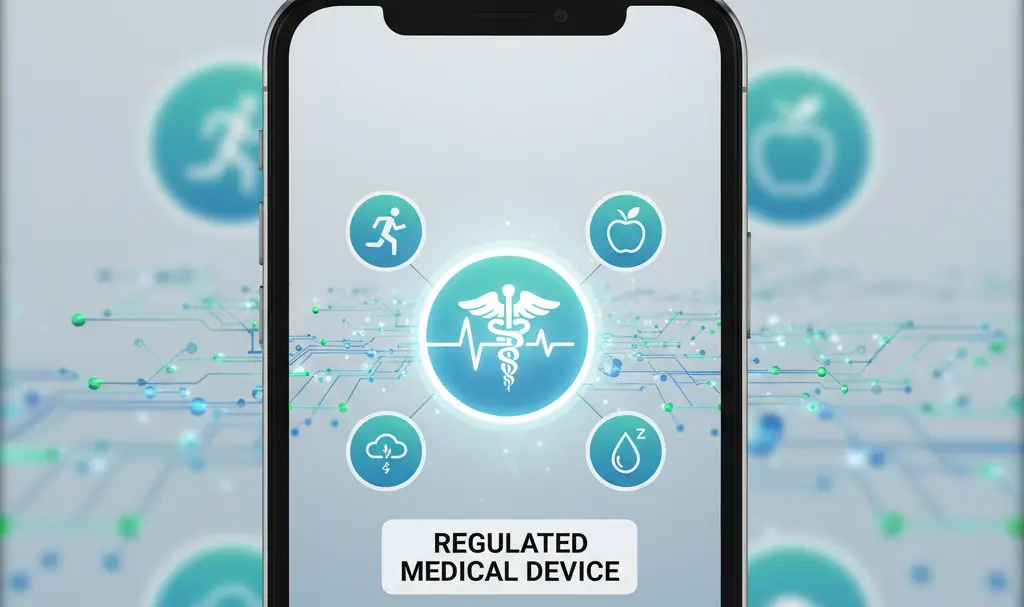
Apple Enhances App Store to Clearly Identify Regulated Medical Device Apps
In a significant move to enhance user safety and transparency, Apple is implementing new regulations within its App Store to better inform users about applications that function as regulated medical devices. While developers have some time to adapt, this initiative marks a crucial step forward for Apple in safeguarding user health.
What’s Changing for iPhone Medical Apps?
Apple has announced updated guidelines for developers, stipulating that the App Store will now display explicit information indicating whether an application qualifies as a regulated medical device. This new policy is in effect across key regions including the United States, the United Kingdom, and the European Economic Area (EEA), which encompasses numerous countries across Europe.
This transparency will empower users to make more informed decisions, helping them identify which applications genuinely contribute to their health and well-being and which are simply general wellness tools. The goal is to eliminate ambiguity and ensure users can trust the health information and functionalities provided by these apps.
Criteria for Medical Device App Classification
The new requirement primarily applies to applications that list “Health & Fitness” as their primary or secondary category. Additionally, apps are subject to this classification if, during the age rating questionnaire process within App Store Connect, developers indicate that the application contains frequent mentions of medical information.
This dual criteria approach ensures that apps explicitly designed for health-related purposes, especially those dealing with sensitive medical data or offering diagnostic/treatment support, are properly flagged and reviewed.
Developer Responsibilities and Timeline
Effective immediately, developers submitting new applications that claim to be medical devices must provide Apple with supporting documentation to confirm their compliance with relevant medical device regulations. This ensures that any new health-focused app entering the App Store meets the necessary legal and safety standards from day one.
For existing applications already available on the App Store, developers have until early 2027 to submit the required documentation and update their app’s information to reflect its status. Failure to comply by this deadline will result in developers being unable to issue updates for their applications. As an alternative, developers can also explicitly state in the App Store Connect questionnaire that their app is not a medical device, if applicable.
These measures underscore Apple’s commitment to user safety and regulatory compliance, ensuring that the digital health landscape on the iPhone remains trustworthy. This initiative also ties into broader discussions about how technology companies manage sensitive data and user well-being, as explored in articles like The Apple AI Paradox: App Store Profits vs. Rivals’ Success, which highlights the complexities of platform management.
The Importance of Regulation in Digital Health
The proliferation of health and wellness applications has made it increasingly challenging for users to distinguish between casual fitness trackers and serious medical tools. This regulatory update by Apple is critical for several reasons:

- Enhanced Patient Safety: By clearly identifying regulated medical apps, users are less likely to misuse or misinterpret information from non-medical apps for critical health decisions.
- Increased Trust: Transparency builds trust between users, developers, and the App Store platform itself.
- Legal Compliance: It ensures that apps making medical claims adhere to strict legal frameworks designed to protect public health.
- Informed Choices: Users can confidently choose apps knowing their regulatory status, aligning with discussions on new ecosystem enhancements and user control, such as those covered in iOS 26.4 Update Features: New Ecosystem Enhancements.
This proactive approach by Apple helps to mitigate risks associated with unregulated health advice or unverified medical claims, ultimately contributing to better public health outcomes.
Frequently Asked Questions (FAQ)
What exactly is a “regulated medical device app” according to Apple?
A regulated medical device app is an application that falls under specific legal frameworks governing medical devices due to its intended use in diagnosis, prevention, monitoring, treatment, or alleviation of disease. Apple’s new guidelines require these apps to display information in the App Store confirming their compliance with these regulations, similar to how physical medical devices are regulated.
Which geographical regions are affected by these new App Store rules?
These new regulations apply to applications distributed in the United States, the United Kingdom, and the European Economic Area (EEA). The EEA includes all 27 European Union (EU) member states, as well as Iceland, Liechtenstein, and Norway. This broad coverage ensures a consistent standard for medical app information across major global markets.
What if a developer doesn’t comply with the new medical device app regulations by the deadline?
Developers of existing apps that are classified as medical devices must provide the necessary compliance documentation by early 2027. If they fail to do so, Apple will restrict their ability to submit updates for those applications. This means the app will remain in its current state on the App Store, but it cannot receive bug fixes, new features, or compatibility updates, potentially impacting its functionality and user experience over time.
How will users benefit from knowing if an app is a regulated medical device?
Users will gain crucial transparency, allowing them to confidently differentiate between general health and wellness apps and those officially recognized and regulated as medical devices. This distinction is vital for making informed health decisions, reducing the risk of misinterpreting app functionalities, and ensuring that any app claiming to assist with medical conditions adheres to rigorous safety and efficacy standards set by health authorities.
Source: Apple Developers Blog. Opening photo: Gemini
About Post Author
