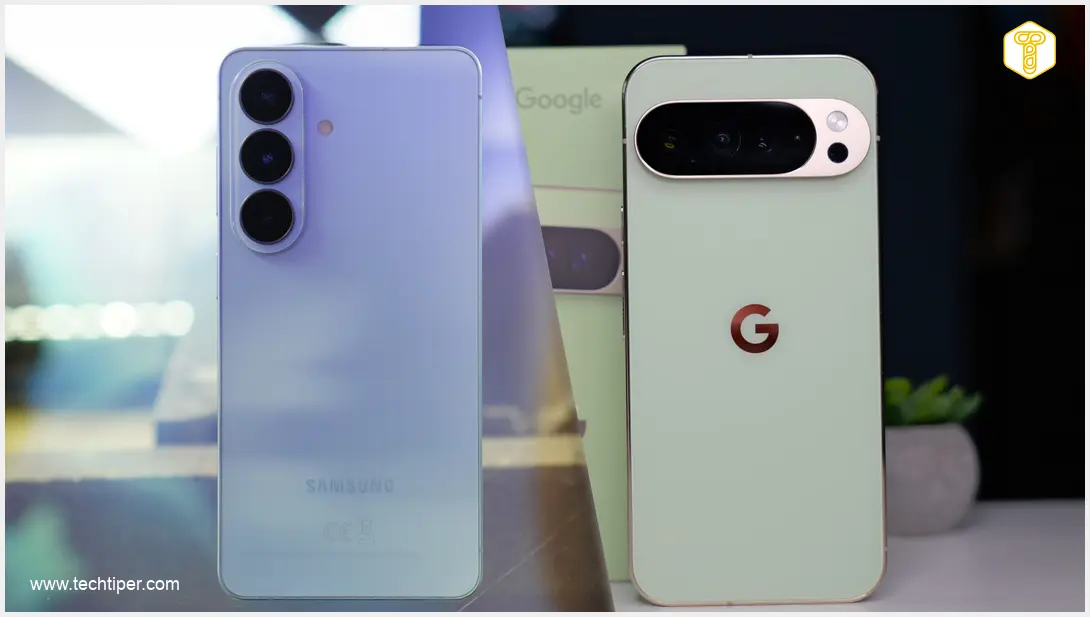
For many searching for a premium Android smartphone, the debate between Samsung Galaxy and Google Pixel is a familiar one. Both manufacturers offer a wide array of models, but when it comes to flagships, the Samsung Galaxy S26 and Google Pixel 10 Pro often stand out as direct competitors, typically priced around $1000 USD.
Contents
Samsung Galaxy S26 vs. Google Pixel 10 Pro: Which Flagship Android Phone Is Right for You?
Software and Updates: Pixel Takes the Lead in Speed
One of the most significant distinctions between these two devices lies in their approach to the Android operating system. Samsung integrates its custom One UI overlay, which is frequently praised by users for its extensive features and customization options. In contrast, Pixel phones run a near-stock Android experience, augmented by Google’s proprietary and highly useful features like Call Screen and Hold for Me.
Choosing a definitive winner in the software experience category is largely subjective, depending on whether you prefer a feature-rich, customizable interface or a cleaner, more streamlined stock Android feel.
Long-Term Support and Update Velocity
In recent years, Samsung has significantly extended its software support commitments. Both the Galaxy S26 and Pixel 10 series now boast an impressive 7 years of major OS updates and security patches, offering excellent longevity for your investment. However, the distribution of these updates differs considerably.
- Samsung devices receive regular updates, but there can sometimes be a waiting period for new features or monthly security patches.
- Pixel devices are renowned for their immediate software updates. New Android versions, features, and security fixes typically arrive on Pixel devices on the very day of their release, reaching both the latest and even several-year-old models simultaneously.
If being among the first to receive the latest Android features and security updates is a top priority, the Google Pixel undeniably holds an advantage in the Samsung vs. Pixel update battle. Find out how you can save on the latest Pixel models with our exclusive offer: Google Pixel 10 Discount: Save Over $325 Dollars!
Samsung Ecosystem: A Comprehensive Connected Experience
While Google offers a cohesive ecosystem of smartphones, earbuds, and smartwatches, along with smart home devices under Google Nest in various markets, Samsung provides a more extensive and globally accessible integrated ecosystem.
Samsung’s portfolio goes beyond just mobile devices. Its vast range includes smartwatches, wireless earbuds, televisions, audio equipment, and numerous home appliances, all seamlessly integrated through the SmartThings platform. This broad interconnectedness offers a more comprehensive smart home and personal tech experience, particularly for users already invested in Samsung’s diverse product lines. Businesses can also benefit from Samsung’s tailored solutions, such as the Exclusive Samsung Galaxy S26 Enterprise Edition.
Camera Capabilities: Pixel Leads with Computational Photography and AI
Samsung Galaxy smartphones are well-regarded for capturing high-quality photos across various conditions. However, the Google Pixel, especially since the latest Pixel 10 series, often delivers an “extra” dimension through its advanced computational photography and AI-powered tools.
Beyond excellent hardware, Google leverages its software prowess to offer unique and incredibly useful photography features:

- AI-Assisted Group Shots: Features that help capture perfect group photos without the need for a tripod, by intelligently compositing shots or guiding the user to ensure everyone is in frame.
- Magic Editor, Photo Unblur, and Magic Eraser: Pixel phones excel at fixing imperfect photos, sharpening blurry images, and removing unwanted objects or people from your shots with remarkable ease.
- Photo Assistant: Utilizing AI, this feature analyzes your frame and provides real-time practical tips for composition, lighting, and focus, helping you capture better photos every time.
For those who prioritize innovative camera features and the ability to enhance photos effortlessly with AI, the Pixel 10 Pro offers a compelling advantage.
Performance and Battery Life: A Closer Look
Processor Power
The Samsung Galaxy S26, powered by its Exynos 2600 processor, delivers strong performance. While it might not match the absolute peak performance of an Ultra model (like an S26 Ultra with a hypothetical Snapdragon 8 Elite Gen 5), it generally outperforms the Tensor G5 chip found in most of the Pixel 10 series (with the exception of the 10a model).
The Google Pixel 10 Pro offers a consistently fast and fluid user experience for everyday tasks. However, for highly demanding applications, intensive gaming, or professional-grade video editing, the Galaxy S26 is typically better equipped to handle the workload with greater sustained performance.
Battery Endurance
Significant differences are also apparent in battery capacities:
- The Galaxy S26 features a 4300 mAh battery, which is a respectable size but not exceptionally large for a flagship device.
- The Pixel 10 Pro, on the other hand, packs a larger 4870 mAh cell.
This larger battery capacity in the Google Pixel 10 Pro should translate into noticeably longer battery life, offering extended usage between charges for most users. In terms of overall build quality and other specifications, both devices generally offer comparable premium experiences.
Samsung vs. Pixel: Which Smartphone Should You Choose?
While comparisons with more budget-friendly options like the Galaxy A56 or Pixel 10a might yield slightly different outcomes, when evaluating these flagship models, the conclusions are quite clear.
- Choose Samsung Galaxy S26 if:
- You prioritize raw processing power for demanding tasks and gaming.
- You desire a more expansive and deeply integrated smart ecosystem (SmartThings, TVs, appliances).
- You appreciate the extensive features and customization offered by Samsung’s One UI.
- You benefit from long-term software support and enterprise-grade solutions.
- Choose Google Pixel 10 Pro if:
- You seek the best-in-class computational photography with innovative AI-driven camera features.
- You prefer a clean, uncluttered, and highly intuitive stock Android experience.
- You value immediate access to the latest Android updates and security patches.
- You require superior battery longevity for extended daily use.
Frequently Asked Questions (FAQ)
How does Samsung’s One UI compare to Pixel’s stock Android for daily use?
Samsung’s One UI offers a highly customizable and feature-rich experience, often adding functionalities not found in stock Android. It’s ideal for users who enjoy tweaking their phone’s interface and leveraging advanced features like DeX for a desktop-like experience. Pixel’s stock Android, conversely, provides a clean, fast, and minimalist interface with Google’s proprietary AI-driven features. It’s preferred by those who value simplicity, speed, and Google’s unique software enhancements without extra bloatware. The best choice depends on your preference for customization versus simplicity.
Are the camera differences significant enough to sway a buying decision?
For most users, both Samsung Galaxy S26 and Google Pixel 10 Pro cameras will deliver excellent photos. However, the Pixel 10 Pro often distinguishes itself with superior computational photography, providing advanced AI-powered features like AI-assisted group shots, Magic Editor, Photo Unblur, and enhanced low-light performance with less effort. If innovative AI camera tools, consistent image processing, and ease of photo correction are paramount to you, the Pixel’s camera system might be a more compelling choice. If you prefer versatile camera hardware with more manual control options, Samsung offers a fantastic experience too.
Given the 7-year update support from both, why would update speed still matter?
While both manufacturers now offer impressive 7-year software support, the speed of update delivery remains a key differentiator. Pixel devices receive major Android OS updates, new features, and critical security patches on the very first day they are released by Google. This means Pixel users get access to the latest innovations and enhanced security immediately. Samsung devices, while also receiving regular updates, often have a rollout schedule that can take weeks or even months longer, depending on region and carrier. For users who prioritize having the absolute latest software and immediate access to new features and security fixes, Pixel’s rapid update cycle is a significant advantage.
Source: Original research.
Opening photo: Krzysztof Rojek, Krzysztof Wilamowski, custom montage.
About Post Author