

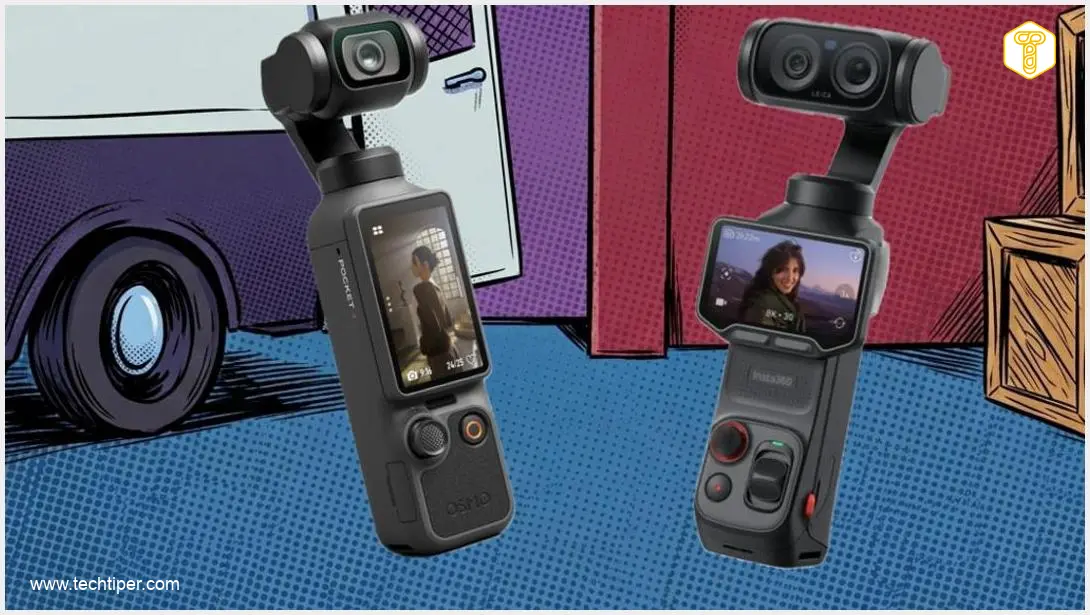
The competition in the portable camera market has escalated into a full-blown legal battle as tech giants DJI and Insta360 engage in an intense patent war over their popular pocket gimbal cameras. At stake are not just millions of dollars and proprietary technology rights, but also the crucial sales future of models like DJI’s Osmo Pocket and Insta360’s Luna Ultra in key global markets, particularly the United States.
This dispute highlights the cutthroat nature of the consumer electronics industry, where innovation and intellectual property are fiercely protected. The outcome of these lawsuits could redefine market leadership and influence how future portable camera technologies are developed and sold.
Contents
The Escalating Patent War Between DJI and Insta360
DJI Fires the First Shot in the Patent Battle
DJI initiated the legal confrontation, filing two patent infringement lawsuits in a U.S. court. These lawsuits specifically target Insta360’s Luna Pro and Luna Ultra cameras, which recently launched in the American market.
Claims of Physical Design Infringement
The Chinese technology leader asserts that Insta360 has directly copied the physical architecture of its successful Osmo Pocket series. DJI’s claims focus on several key design elements:
- The elongated, handheld body.
- A distinctive rotating screen.
- A characteristic control layout featuring a scroll wheel.
- The method of connecting the gimbal arm to the main body.
Allegations of Technical Patent Violations
Beyond physical design, DJI’s second lawsuit delves into the technical “inner workings” of the devices, citing the infringement of four utility patents. These patents describe critical functionalities of handheld gimbals, including:
- Methods for switching between follow and lock modes using a single button.
- Integrated object tracking capabilities that do not require a smartphone.
- Proprietary software controlling the operation of the gimbal motors.
These legal actions were strategically filed shortly after Insta360 began selling its new cameras in the U.S., adding a significant competitive dimension to the legal proceedings. DJI isn’t just seeking financial compensation; its lawsuits demand a permanent injunction against the sale of the Luna Pro and Luna Ultra in the United States, indicating a desire to eliminate a direct competitor from the market.
Insta360’s Swift Counterattack with Five Patents
Insta360’s response was swift and decisive. The company announced the filing of two counter-lawsuits in the U.S., accusing DJI of infringing five of its own utility patents. According to Insta360, DJI is allegedly using several unlicensed technologies:
- Advanced gimbal stabilization techniques.
- Directional control mechanisms.
- “Smooth” video stabilization algorithms.
- Telemetry overlays.
- Panoramic stabilization solutions.
Insta360 claims these technologies are foundational to several of DJI’s key product lines, including:
- The Osmo Pocket cameras.
- Professional Ronin and RS stabilizers.
- Osmo Mobile gimbals for smartphones.
- The Osmo 360 camera.
This tit-for-tat legal battle underscores the high stakes in the compact camera market, where technological advancements like those discussed in this ranking of innovative gadgets are crucial for market share.

Who’s Copying Whom? The Core of the Patent Dispute
In its public statements, Insta360 vehemently rejects DJI’s assertion that the Luna Ultra merely copies the Osmo Pocket’s architecture. The company emphasizes that the camera’s design possesses a “completely unique engineering footprint,” stemming from independent research and development efforts initiated in 2020. As evidence of its independent innovation, Insta360 points to the evolutionary development of its product portfolio, including the modular ONE R camera, the Link webcam series, and the Flow gimbals, which it claims laid the groundwork for the key solutions integrated into the Luna Ultra. This commitment to unique design principles is also evident in products like the EZVIZ EB8 Pro Solar 4G Camera, which demonstrates bespoke engineering for specific market needs.
Conversely, DJI’s court filings paint a different picture, contending that Insta360 is attempting to “piggyback” on the Osmo Pocket’s established success by duplicating its aesthetic, ergonomic logic, and control schemes. This raises a fundamental question about the balance between market competition and intellectual property rights in a rapidly evolving tech landscape.
Ultimately, U.S. courts will face the complex task of determining not only whether specific patents have indeed been infringed but also precisely where the line lies between legitimate market inspiration and unlawful imitation within the highly consolidated pocket gimbal camera category. The implications of these rulings could set significant precedents for innovation and competition in the portable camera industry worldwide.
Frequently Asked Questions (FAQ)
Pocket gimbal cameras are compact, handheld devices that combine a camera with a motorized stabilizer (gimbal) to capture smooth, stable video and photos. Their popularity stems from their ability to deliver professional-quality footage in a highly portable form factor, making them ideal for vloggers, travelers, and content creators who need steady shots on the go without carrying bulky equipment.
The patent war could have several impacts. If one company successfully blocks the sales of a competitor’s product, it could limit consumer choice and potentially increase prices due to reduced competition. Conversely, if the lawsuits lead to licensing agreements, it might encourage more innovation through cross-pollination of technologies, benefiting consumers with better products in the long run.
Courts typically involve extensive legal analysis, expert testimonies, and detailed examinations of patent claims and the allegedly infringing products. They assess whether the accused product “reads on” (i.e., infringes) the claims of the patent, often using a “claim construction” process to define the scope and meaning of the patent’s terms. It’s a meticulous process distinguishing between independent innovation, parallel development, inspiration, and outright copying.
This dispute could set precedents for how intellectual property is protected and enforced in the rapidly evolving consumer electronics market worldwide. It might influence R&D strategies, encourage more aggressive patent filing, or lead to more cross-licensing agreements to avoid costly litigation. The outcome could also affect how companies enter new markets, especially if core technologies are tied up in legal battles, impacting product availability and pricing globally.
Source: PR Newswire, Notebookcheck, The Verge, X, PetaPixel
Opening photo: DJI, Insta360 / press materials, Reddit / self-assembly
About Post Author
