

Contents

AI Facial Recognition Fails: The Florida Man Falsely Arrested
The story unfolding in Florida starkly illustrates how easily an algorithmic error, coupled with law enforcement’s unquestioning reliance on technology, can lead to severe real-world consequences. From the wrongful arrest of an innocent person to enduring public stigmatization and profound, lasting trauma, these cases expose critical vulnerabilities in our increasingly tech-driven justice systems.

An American citizen recently filed a lawsuit against multiple U.S. law enforcement agencies after being mistakenly identified by a facial recognition system, arrested hundreds of miles from the incident, and left vulnerable to the blatant flaws of both the algorithm and the investigators involved.
Algorithmic Errors and Investigatory Oversights
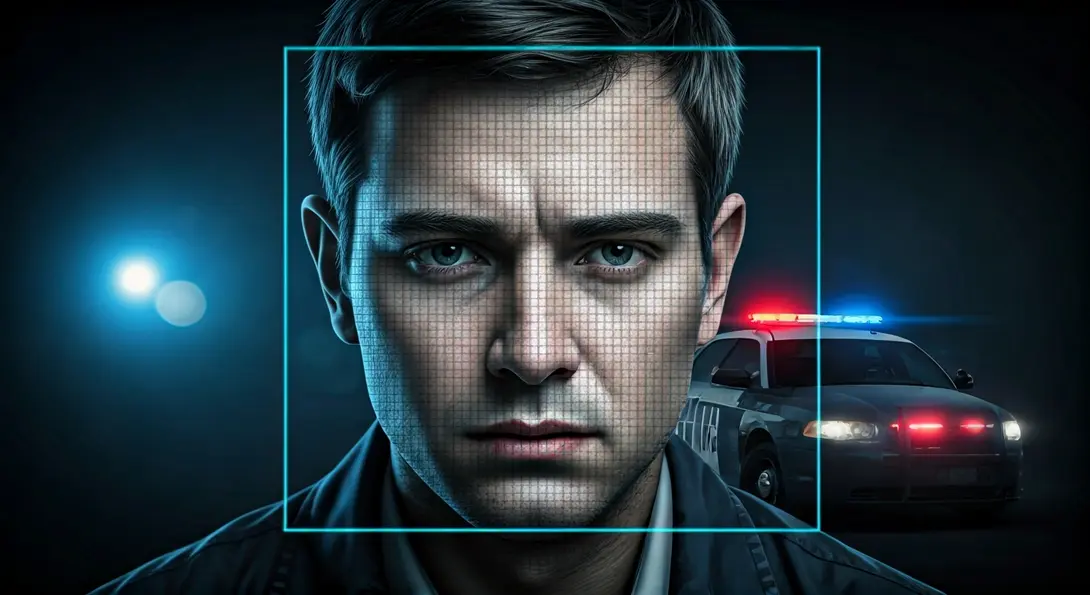
The ordeal began in the summer of 2024 when police in Jacksonville Beach, Florida, were investigating a man suspected of attempting to entice a lone girl, under 12 years old, to go with him. Investigators possessed only a low-quality surveillance image from a McDonald’s restaurant. This image was then fed into “Faces,” an AI-powered facial recognition system.
The system indicated a 93 percent similarity between the suspect and Robert Dillon, a resident of Fort Myers – a city located nearly 500 kilometers (approximately 310 miles) from Jacksonville Beach. Despite this significant distance and the poor quality of the initial evidence, the AI’s “match” was seemingly taken as irrefutable proof.
In 2024, Dillon was apprehended outside his home in San Carlos Park. He repeatedly asserted that he had never been to Jacksonville Beach, yet he was arrested anyway. Although state prosecutors eventually dropped the case several weeks later, it took nearly a year for the record of his arrest to be expunged from official databases. However, the indelible stigma of charges related to a child sexual offense lingered much longer, severely impacting his life and reputation. For more on the ethical considerations of AI in such scenarios, read about the AI Authenticity Dilemma: Human Imperfection in the Digital Age.
Dillon’s Lawsuit and the ACLU’s Advocacy
Now, the 52-year-old, with the support of the American Civil Liberties Union (ACLU), has filed a lawsuit against the Jacksonville Beach Police Department, the Jacksonville Sheriff’s Office, and Bob Gualtieri, the sheriff of Pinellas County. Sheriff Gualtieri’s agency is responsible for maintaining and operating the “Faces” (Face Analysis Comparison and Examination) system and making it available to other law enforcement bodies.
The lawsuit accuses these agencies of:
- Over-reliance on flawed technology.
- Ignoring exculpatory evidence.
- Failing to adequately verify the AI’s facial recognition results.
Specifically, the lawsuit alleges that investigators based their findings on “poor quality” surveillance screenshots and neglected to cross-reference AI results with other critical information. For instance, automatic license plate reader data, which would have shown that Dillon’s vehicle was not present in the vicinity of the McDonald’s at the time of the incident, was reportedly omitted from arrest documents. This highlights a broader issue of accountability and integration of AI in law enforcement, a topic explored further in discussions around Pentagon AI Maven: Palantir, Military Integration, and Ethics.
“Mr. Dillon was arrested at his home in front of his wife. He was accused of attempted child enticement, which led to devastating social stigmatization and a permanent loss of reputation. For many months, criminal proceedings were underway against him, and his mugshot, available online, remains accessible long after the charges were withdrawn. (…) No law enforcement agency has ever apologized or admitted wrongdoing.”
– Excerpt from the lawsuit filed by the ACLU in the Fort Myers District Court.
The lawsuit brought by Dillon and the ACLU could become a pivotal test case regarding the accountability of public services for their use of facial recognition systems across the United States and globally. It underscores the urgent need for stringent protocols and independent oversight when deploying powerful AI technologies in matters of justice.
Not an Isolated Incident
Disturbingly, Dillon’s case is at least the fifteenth documented instance nationwide where an individual has been accused or arrested based on a faulty identity match from facial recognition technology. One notable example includes reports of a man from Charlotte, North Carolina, who spent nearly three months incarcerated after automated facial recognition placed him at the scene of a car theft. This occurred despite evidence suggesting he was at his job, approximately 640 kilometers (about 400 miles) away, at the time of the theft.
Such recurring errors underscore the critical need for a balanced approach to technological advancement in law enforcement, emphasizing human verification, robust ethical guidelines, and unwavering commitment to civil liberties.
Frequently Asked Questions (FAQ)
Relying solely on AI facial recognition systems for arrests carries significant risks, including false identification, wrongful arrests, and the targeting of innocent individuals. As seen in Robert Dillon’s case, low-quality images can lead to high-confidence but incorrect matches. These errors can result in severe personal consequences, such as loss of reputation, social stigmatization, and prolonged legal battles, even if charges are eventually dropped. Without human oversight and verification with other evidence, the potential for injustice is substantial.
To improve the accuracy and fairness of AI use in law enforcement, agencies should implement robust verification protocols that mandate human review and corroboration with multiple independent pieces of evidence, not just AI outputs. They should also invest in higher-quality input data for AI systems, regularly audit system performance for bias and accuracy, and establish clear guidelines for when and how AI technologies are deployed. Transparency with the public and accountability mechanisms for errors are also crucial to building trust and ensuring ethical application.
Individuals who believe they have been falsely arrested due to AI errors, like Robert Dillon, can pursue legal action through civil lawsuits against the responsible law enforcement agencies or municipalities. These lawsuits can allege violations of civil rights, false imprisonment, and negligence, especially if agencies showed deliberate indifference to algorithmic flaws or failed to follow proper investigatory procedures. Organizations like the American Civil Liberties Union (ACLU) often assist in such cases, advocating for victims and seeking to establish legal precedents that mandate responsible AI use and accountability.
Source: The Guardian, ABC News, Facebook, YouTube, ACLU. Opening photo: Gemini
About Post Author
