

Contents
500,000 Tons of Oysters Dumped into the Ocean. After 20 Years, No One Expected Such a Positive Outcome
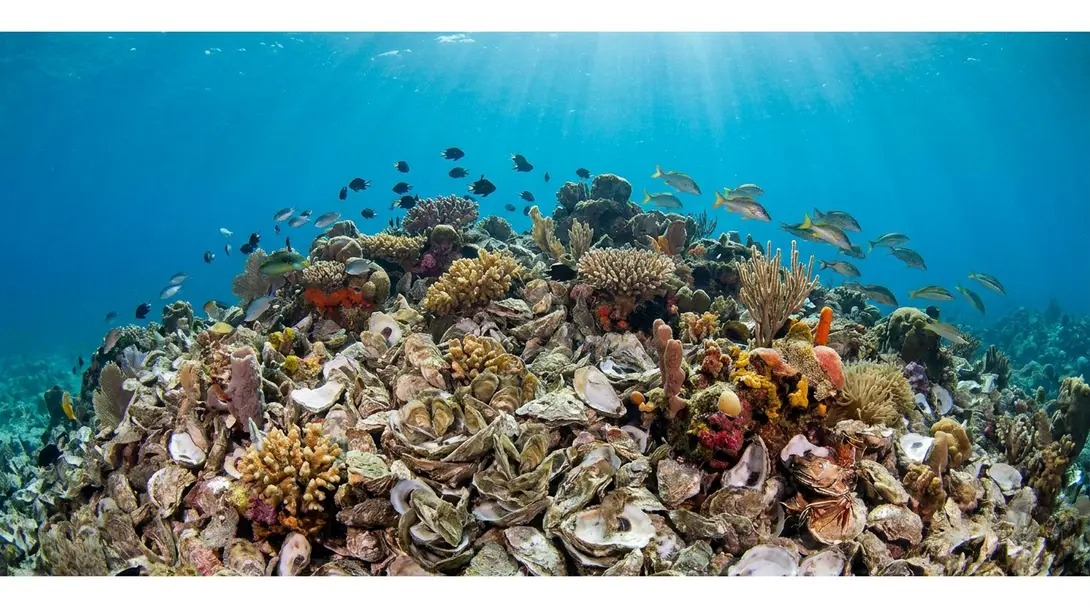
In a remarkable environmental effort spanning 17 years, from 2007 to 2024, authorities in the United States deposited approximately 500,000 metric tons of discarded oyster and clam shells into the Gulf of Mexico. While this might sound like an unconventional method of waste disposal, the true intention behind this seemingly suspicious act was to rejuvenate damaged oyster reefs and coastal habitats. The initiative required significant patience, but the long wait ultimately yielded astonishing results.
The Transformative Journey of Oysters in the Gulf of Mexico
So, what exactly happened to these shells after they were introduced into the Gulf of Mexico? According to a report by Upworthy, the empty oyster shells almost immediately became a breeding ground for bacteria. This process led to the formation of a ‘biofilm’—a sticky layer composed of mucus and cells—which then allowed larger aquatic organisms to attach and thrive. This foundational layer is crucial for initiating the complex ecological recovery process.
Furthermore, these discarded shells released calcium into the water. This vital mineral helped create zones highly favorable for various mollusks, crustaceans, and even algae and corals. The hard, stable surfaces provided by the shells also served as ideal attachment points for young oysters, offering them a secure environment to grow and develop. It’s common to find several living oysters attaching themselves to a single dead shell. An oyster typically takes about a year to reach maturity.
The presence of live oysters is critically important for the overall health of the marine ecosystem. These bivalves are exceptional natural water filters, continuously purifying the water by feeding on plankton. By doing so, they prevent uncontrolled algal blooms, which can render bodies of water unusable for human activities and harm marine life. This natural filtration process plays a key role in maintaining ecological balance and water quality, much like how advancements in renewable energy technologies are vital for a sustainable future on land.
The ultimate outcome of introducing these dead oyster shells into the Gulf of Mexico was the successful reconstruction of the aquatic ecosystem in less than two decades. This led to a significant increase in populations of fish, sea turtles, and even dolphins. Similar successful restoration projects are now active across the entire southwestern coastal strip of the United States, demonstrating the widespread potential of this eco-friendly approach. The success echoes humanity’s growing ingenuity in addressing environmental challenges, much like the ambitious efforts to extract oxygen on the Moon for future lunar missions.
Oyster Shell Recycling: A Growing Global Practice
The profound positive impact of oyster shells has garnered significant attention from the scientific community across the United States and beyond. Similar successful programs have been funded in various states, including Louisiana, Alabama, and Texas, highlighting a collective understanding of this method’s ecological value.
Beyond providing structural habitat, oysters are also excellent water purifiers. They contribute to water clarity and health not only through filter-feeding but also by releasing calcium and carbonates, which can aid in balancing water chemistry and supporting calcifying organisms.
A particularly renowned initiative is the Billion Oyster Project, a New York City-based effort focused on restoring oyster reefs in the New York Harbor. The ambitious plan aims to engage a million people in introducing one billion oyster shells into the harbor. To encourage participation, restaurants in New York City can even receive tax incentives for recycling their seafood shells, turning what would be waste into a valuable resource for ecological restoration.
Frequently Asked Questions (FAQ)
Discarded oyster shells provide a hard substrate that serves as a foundation for new marine life. Bacteria quickly colonize the shells, forming a biofilm, which then allows larger aquatic organisms, including young oysters, mollusks, crustaceans, and corals, to attach and grow. Additionally, the shells release calcium, further enhancing the environment for these calcifying organisms and supporting overall reef development.

Oyster reef restoration offers numerous ecological benefits that extend far beyond simply increasing oyster numbers. Thriving oyster reefs act as natural water filtration systems, improving water quality by removing excess nutrients and pollutants, which prevents harmful algal blooms. They also create complex three-dimensional habitats that support a diverse range of marine species, including fish, crabs, and other invertebrates, leading to increased biodiversity. Furthermore, these reefs provide crucial coastal protection by attenuating wave energy, reducing erosion, and stabilizing shorelines against storms and rising sea levels.
Yes, oyster shell recycling for habitat restoration is becoming an increasingly recognized and widespread practice, particularly in coastal regions with historical oyster populations. Successful programs are active across various US states and similar initiatives exist in other countries. The principles of using shells to create substrate and foster reef growth are generally applicable wherever oyster species are native and shells are available. The success often depends on community engagement, scientific guidance, and support from local governments and industries like restaurants.
Source: Upworthy. Opening photo: ededchechine / Magnific
About Post Author
