
Samsung recently narrowly avoided a major strike by its semiconductor employees, a move that could have severely impacted not only the company but also the global artificial intelligence chip market. Discover the details of the last-minute agreement and its implications.
Author: Deepak Malik

NVIDIA Unveils Its “Superchip.” Unfortunately, It’s Not the RTX 6090
NVIDIA and Microsoft have jointly introduced RTX Spark, a new “superchip” designed to power the next generation of personal AI agents in premium laptops. This integrated CPU and GPU aims to revolutionize on-device AI processing and high-performance computing.

Programmers Don’t Want to Code Without AI: A New Challenge for the IT Industry
The IT industry is facing a new dilemma as developers increasingly refuse to work without AI assistance, raising questions about productivity, code quality, and the future of programming skills. This deep dive explores the rise of AI-assisted programming, the controversial practice of “tokenmaxxing,” and the hidden costs of AI-generated code for technology companies worldwide.

EU Law to Impact Meta’s AI: Click Tracking System May Violate GDPR
Meta is deploying a new analytical tool, Model Capability Initiative (MCI), that records every mouse movement and click on employees’ work computers. While officially operating in the US, this data capture mechanism inadvertently impacts personnel within the European Union, raising significant GDPR concerns and potential legal repercussions for the tech giant.
AI Will Lead to Layoffs: Alarming Survey Results from Companies
Artificial intelligence is increasingly impacting the job market. A recent study by consulting firm Mercer reveals that nearly all surveyed executives in the USA anticipate job reductions related to AI implementation within the next two years. The study included close to a thousand managers and company CEOs.

Google Introduces Major New Gemini Feature: No More Copying Links
Google is rolling out a significant update for Gemini users within Workspace, allowing direct and secure sharing of conversations and content through Google Drive. This enhancement aims to boost team collaboration while significantly improving data security.

AI Instead of Referees in NBA: Artificial Intelligence to Take Over Some Decisions
The NBA is embracing artificial intelligence to automate objective referee decisions, aiming to accelerate game flow and minimize controversies. This article explores how AI is revolutionizing officiating in basketball and other major sports, from instant out-of-bounds calls to semi-automated offsides, while examining the evolving role of human officials.
ChatGPT’s Android Version Receives Significant New Features: Users Have Long Awaited These Innovations
OpenAI is rolling out crucial updates to ChatGPT for Android, including an anticipated in-chat search feature, a more organized interface with ‘Plugins,’ and advanced file management tools. Discover how these changes will enhance your mobile AI experience.
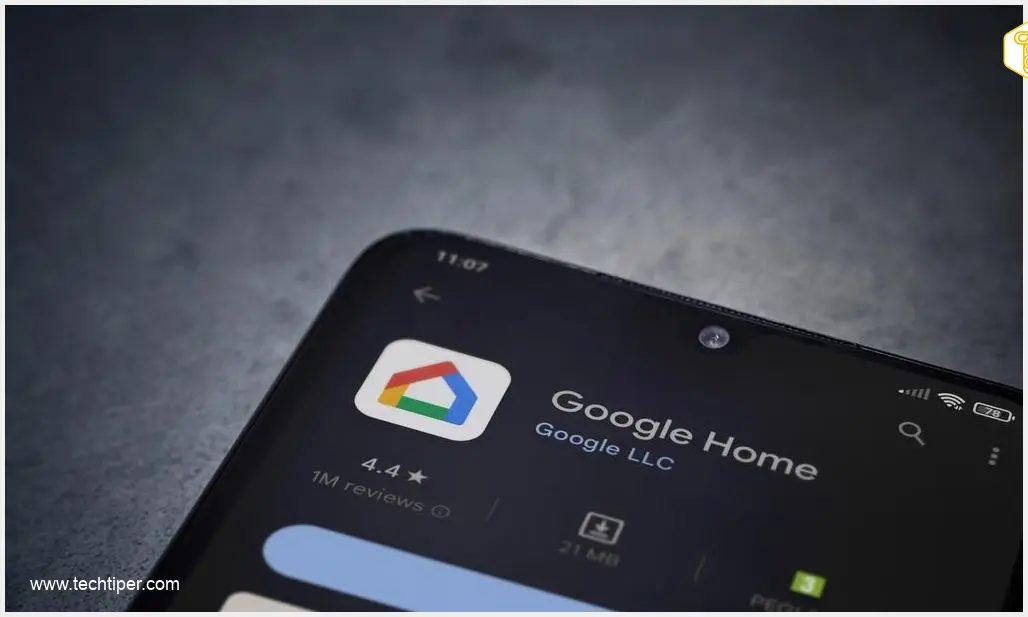
Gemini Will See What’s Happening Around Your Home: New AI in Google Home
Google is significantly enhancing its Google Home platform with new Gemini AI features, enabling smart cameras to analyze visual input and automate responses. This update introduces advanced visual understanding for home security and simplifies automation setup through intuitive voice commands.
Gemini Live with New Voices: Google Embraces a More “Expressive” Interface
Google’s Gemini AI assistant receives a significant update, introducing new “Flare” and “Glow” voices, a redesigned voice selection menu, and a visual overhaul of Android widgets and icons. These changes, part of the “Neural Expressive” project, aim for a more minimalist and expressive user experience.

YouTube Wants to Better Understand Your Needs: Introducing New AI-Powered Custom Channels
YouTube is rolling out innovative AI-powered custom channels that allow users to generate personalized content feeds based on natural language prompts. This initiative aims to enhance content discovery while also introducing new transparency labels for AI-generated media, ensuring a more tailored and informed viewing experience.

YouTube Introduces New Labels. It Took Them A While.
YouTube is enhancing its platform transparency by introducing new, more visible labels for AI-generated or significantly modified content, with a gradual rollout starting in May 2026. This initiative aims to help users easily identify AI-created media, moving beyond creator declarations to incorporate automatic detection systems and mandatory, unremovable labels for content made with Google’s own AI tools.

Google Quietly Changed Its App Icons. Now It Explains Its Decision
Google has officially explained the reasoning behind the significant refresh of its Workspace application icons. The company openly states that the new look for Gmail, Docs, Drive, and Meet is designed to better align with the “Gemini era” – the increasing integration of AI across Google’s services. Learn how this visual update aims to enhance app recognition and underscore Google’s commitment to artificial intelligence.
Gemini AI Could Reach More Affordable Phones, Thanks to New Processor
MediaTek’s new Dimensity 8550 processor is poised to bring advanced Google AI features, including Gemini Intelligence, to a wider range of mid-range Android smartphones. This move democratizes cutting-edge AI capabilities previously exclusive to premium devices.
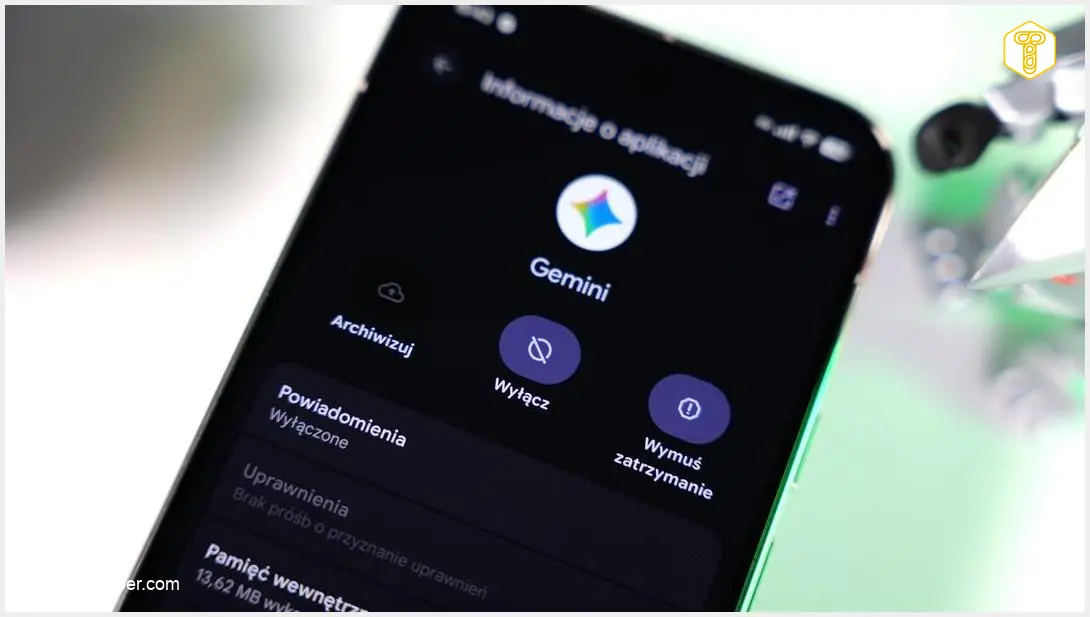
Smartphone Users Don’t Want Gemini: New Survey Reveals AI Fatigue
A recent survey by Android Authority highlights growing user reluctance towards Google Gemini’s advanced “agentic” features, with over 55% of users expressing disinterest. Concerns about AI accuracy and the potential impact on human cognition contribute to a rising sentiment of “AI fatigue.”

Google Overdoes AI: Internet Users Flee to Rival Search Engine
Google’s AI revolution in Search, replacing traditional “ten blue links” with intelligent agents, has sparked a significant backlash from users. This unexpected discontent has fueled a surge in popularity for DuckDuckGo, with its installation numbers growing significantly just days after Google announced its sweeping changes.

Spotify Director Defends AI Music: ‘We’re Entering Dangerous Territory’
Spotify Director Alex Norström champions AI-generated music as an alternative to piracy, a move that has sparked debate among industry critics. While Spotify introduces AI-powered remixing for premium users, concerns arise about potential market saturation and copyright implications, especially regarding public sharing.

WhatsApp Surprise for iPhones: You’ll Be Grateful
WhatsApp is rolling out significant updates for its iPhone application, introducing AI-powered document sharing with Meta AI summaries and an improved “After Reading” option for disappearing messages. These enhancements aim to boost productivity and user control.

Create Your Own Android App for Free: Google’s Generous Move
Google AI Studio now offers a free feature for generating native Android applications directly from your browser. With just a prompt instead of code, you can install, test, and even export your ready-made projects to Android Studio or Google Play. Discover how this new capability is democratizing app development for everyone.

Controversy Over AI Use in Hospitals: “Ban Them from Practicing for Life”
While patients increasingly turn to AI chatbots for medical explanations, public outcry erupted after a doctor used ChatGPT for a discharge summary. This article explores the growing role of artificial intelligence in healthcare, from diagnostics to administrative tasks, highlighting both its potential to alleviate strain on overloaded systems and the public’s complex perceptions.

Pope Speaks Out on AI, Calls for Global Slowdown
Pope Leo XIV has issued a pivotal encyclical, “Magnifica Humanitas,” strongly criticizing the unchecked development of artificial intelligence. The 200-page document, developed with Silicon Valley experts, warns of AI spiraling out of control without ethical safeguards and calls for a global slowdown in technological implementation, a legally binding international treaty, and an absolute ban on autonomous weaponry to protect human dignity.

Nearly Half of Internet Users Can’t Distinguish Bots: Experiment Reveals the Scale of the Problem
An experiment by Surfshark reveals that nearly half of internet users struggle to identify AI-generated content, especially in emotionally charged discussions. This highlights the growing challenge of distinguishing between human and machine online interactions, with significant implications for information integrity and online trust.

Plants Can Hear Us: Scientists Confirm an Astonishing Theory
New research suggests that plants may possess a sophisticated ability to perceive sounds in their environment, a discovery that could redefine our understanding of plant intelligence and sensory capabilities.