

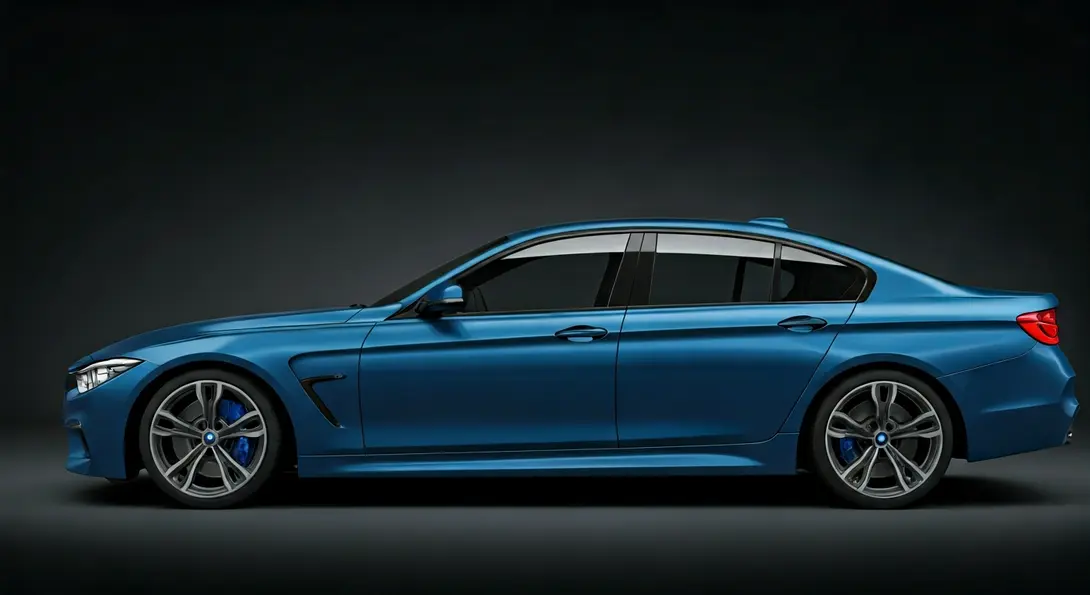
We recently had the exclusive opportunity to visit BMW Group’s groundbreaking new factory in Debrecen, Hungary. This state-of-the-art facility is on the cusp of commencing serial production of the BMW iX3, the pioneering model from the highly anticipated Neue Klasse family. More than just a production plant, the Debrecen factory stands as BMW’s most technologically advanced manufacturing site, poised to establish new benchmarks in digital and sustainable automotive production worldwide.
Contents
BMW’s Next-Generation Production Hub in Debrecen
The establishment of the Debrecen factory and the impending production launch of the BMW iX3 mark a pivotal moment for the brand. Set to begin serial production in late October, this plant represents a significant stride in BMW’s electrification strategy and its commitment to innovation. The new iX3 is not merely an electric vehicle; it’s the first serial production model from the Neue Klasse (New Class) architecture, showcasing the Bavarian manufacturer’s most advanced design and technological solutions.
The Neue Klasse platform is a cornerstone of BMW’s future. It’s designed from the ground up for electric mobility, focusing on highly integrated software, electric powertrains, and sustainability. BMW has ambitious plans, announcing that Neue Klasse technologies will be integrated into 40 new and refreshed BMW models by 2027, signalling a profound transformation across its product portfolio.
A Glimpse Inside the State-of-the-Art Facility
Spanning an expansive area of over 400 hectares, the Debrecen factory is a fully integrated production complex capable of manufacturing complete vehicles from start to finish. This impressive facility handles every stage of automotive production, including sheet metal pressing, body construction, paint finishing, and final vehicle assembly. The sheer scale and innovative solutions implemented throughout the plant are truly remarkable.
At its core, the factory operates under the principles of the BMW iFACTORY concept, which champions full digitalization of processes, extensive use of artificial intelligence (AI), and virtual production planning. This integrated approach ensures unparalleled efficiency, precision, and adaptability in manufacturing.
A defining characteristic of the Debrecen plant is its unwavering commitment to sustainability. It stands as BMW’s first production facility that will operate entirely on electricity sourced from renewable energy, completely eliminating the use of fossil fuels during normal operations. This commitment extends beyond energy; the factory aims to significantly reduce its environmental footprint across all aspects of production. This sustainable approach is a key trend in the automotive industry, with other manufacturers also investing heavily in green manufacturing and energy solutions. For instance, companies like BYD are also making strides in sustainable energy solutions, including megawatt EV charging in Europe, indicating a broader industry shift.
The Future of Automotive Manufacturing in Action
During our visit, we witnessed firsthand the sophisticated engineering that defines this factory. The facility boasts fully automated production lines, advanced robotic systems, and, crucially, on-site production of high-voltage batteries. Manufacturing these critical components directly at the plant streamlines the supply chain and enhances overall efficiency.
BMW proudly highlights that the advanced solutions deployed in Debrecen have enabled a substantial reduction in the carbon footprint of the manufacturing process compared to existing models. This focus on eco-friendly production aligns with growing consumer demand for more sustainable products and practices.
The factory tour offered fascinating insights into modern manufacturing techniques. We observed how machines on the production line efficiently rotate car bodies, providing workers with optimal access to various components. These ergonomic solutions are designed to minimize the need for heavy physical labour and significantly enhance working comfort for the plant’s employees, reflecting a commitment to worker well-being.

Further underscoring its sustainable design, the Debrecen facility incorporates extensive photovoltaic installations covering approximately 50 hectares. These solar arrays are estimated to supply up to 25% of the factory’s annual energy requirements. This substantial contribution from solar power, combined with other renewable sources, ensures that the factory operates without reliance on fossil fuels like oil or natural gas. This commitment to renewable energy is not unique to passenger vehicles, as similar efforts are underway in the development of electric vehicles with advanced battery technologies, such as semi-solid-state batteries in models like the MG4 and MG S9, pushing the boundaries of what’s possible in sustainable mobility.
Frequently Asked Questions (FAQ)
The BMW Neue Klasse (New Class) is an entirely new vehicle architecture developed by BMW specifically for its next generation of electric vehicles. It’s designed to optimize performance, efficiency, and digital experience, featuring advanced battery technology, integrated software, and a strong focus on sustainability in both production and operation. The BMW iX3 will be the first model produced on this platform.
The BMW Debrecen factory is a benchmark for sustainable production. It is the first BMW plant designed to operate entirely on electricity from renewable sources, completely avoiding fossil fuels. It features extensive on-site photovoltaic installations, contributing up to 25% of its annual energy needs, and employs advanced processes to significantly reduce its overall carbon footprint compared to traditional manufacturing plants.
Serial production of the BMW iX3 at the Debrecen factory is scheduled to commence in late October. This marks a significant milestone as the iX3 will be the inaugural model to roll off the production lines from the revolutionary Neue Klasse family.
The Debrecen factory embodies the BMW iFACTORY concept, leveraging full digitalization, artificial intelligence (AI), and virtual planning for all production processes. It features highly automated production lines, advanced robotic systems, and on-site manufacturing of high-voltage batteries. These technologies enhance efficiency, precision, and sustainability, setting new standards for modern automotive manufacturing.
Source: Our Own Work. Opening photo: BMW / press materials
About Post Author
