War in Iran and Algorithms on the Front Line. Is AI Taking Control of the Battlefield?

Artificial intelligence is rapidly transforming modern warfare, significantly accelerating military decision-making and operational planning, as evidenced by recent events in the Middle East. While AI offers unprecedented speed and analytical capabilities, its deployment raises critical ethical questions regarding human oversight, accountability, and humanitarian consequences, intensifying the global AI arms race among leading nations.


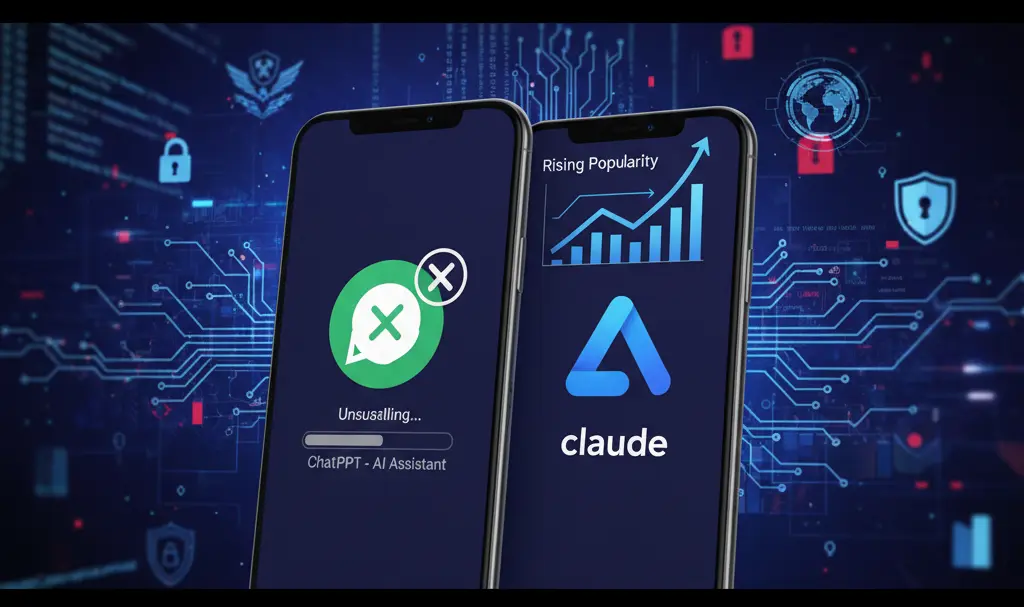
Users Massively Uninstall ChatGPT: A Wave of Uninstalls After One Decision

OpenAI’s recent decision to partner with the U.S. Department of Defense has ignited a significant user backlash, leading to a sharp increase in ChatGPT app uninstalls across the United States. Concurrently, competitor Claude has seen a surge in popularity. This article examines the immediate user response, the shifting landscape for AI applications, and the ethical considerations surrounding AI collaborations with military organizations.

How Will Films Change After Warner Bros. Acquisition by Paramount?

Hollywood is on the brink of another major shake-up as Paramount reportedly nears the acquisition of Warner Bros. Discovery. This potential merger could reshape the film industry, impacting everything from cinematic releases and streaming strategies to creative output and market competition. Learn what this consolidation means for viewers, creators, and the future of entertainment.

End of an Era: The First Transatlantic Fiber Optic Cable Retrieved from the Ocean

TAT-8 was not just the eighth telecommunications cable across the Atlantic; it was the world’s first transatlantic fiber optic cable. Launched in 1988, it dramatically increased data transfer speeds, laying the groundwork for today’s global internet. This article explores TAT-8’s groundbreaking history and the intricate process of its recent retrieval from the ocean floor.

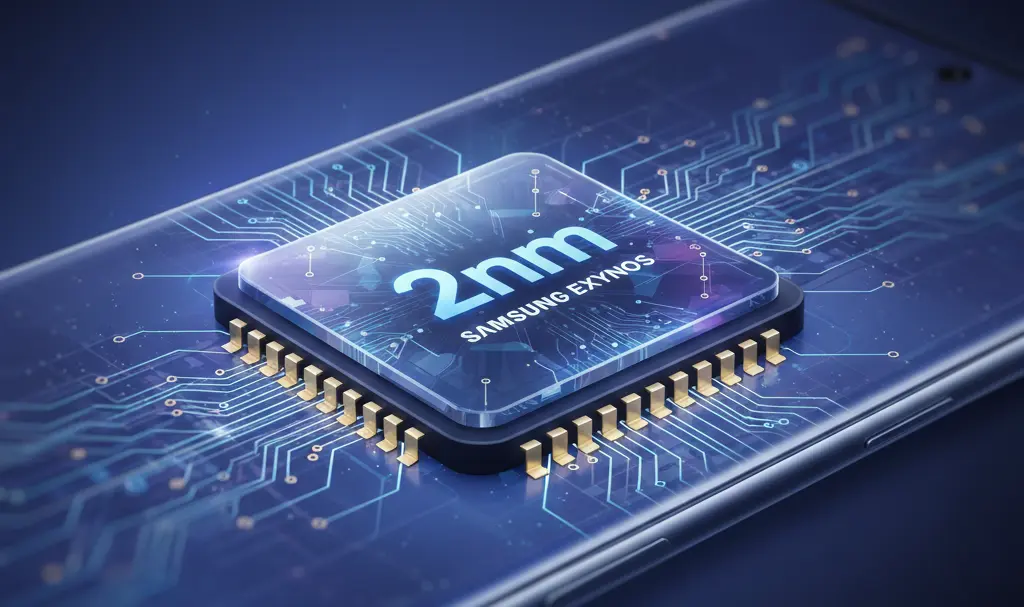
Exynos Without Exception: Samsung Lays Out Its Strategy

Samsung’s Vice President of Hardware, Moon Sung-hoon, has confirmed the company’s ambitious vision to integrate its proprietary Exynos processors into every Galaxy device. This strategic shift aims to reduce reliance on external suppliers and leverage the recent advancements of their 2nm Exynos chip, promising improved performance and energy efficiency for future flagships like the Galaxy S27 Ultra.