

Contents
The Unseen Toll: How Our Technological Advancements Impact People and the Planet
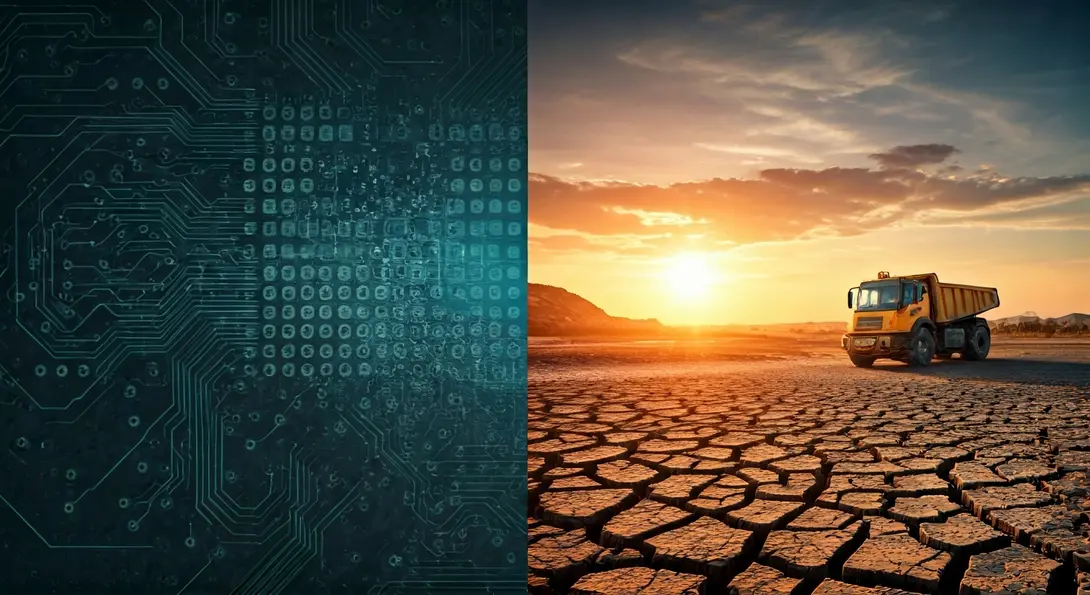
Our modern technological world, driven by artificial intelligence, renewable energy, electric vehicles, defense systems, and smartphones, hinges on three vital elements: cobalt, lithium, and copper. These critical minerals are the backbone of innovation, yet their extraction comes with a steep price, often paid by the world’s most vulnerable populations. The relentless march of progress leaves behind a devastating legacy of polluted water, chronic health problems, and depleted natural resources for local communities.
This article delves into the profound environmental and human costs associated with critical mineral extraction and explores potential pathways toward a more sustainable future.
The Foundation of Modern Technology: Why These Minerals Are Indispensable
To understand the impact, we must first grasp the indispensable role these minerals play. Lithium is the core power source for batteries, while cobalt stabilizes them, preventing overheating and potential explosions. Connecting these elements and conducting electricity is copper, making it essential for virtually all electronic devices. Together, these three minerals are critical to industries that have accustomed consumers to frequent upgrades, such as annual smartphone releases.
However, the rapid pace of technological development demands ever-increasing quantities of these resources, pushing extraction efforts into environmentally sensitive and socio-economically fragile regions.
The Environmental Toll: Water Scarcity and Pollution
The human and environmental costs of extraction have been starkly highlighted by researchers Abraham Nunbongu and Kaveh Madani, affiliated with the United Nations University. Their report, summarized by Biznes Enter via The Conversation, reveals concerning trends:
- Depleting Water Resources: Critical material extraction is rapidly depleting freshwater reserves in surrounding areas. For instance, global lithium production in 2024 alone consumed an estimated 456 billion liters of water. This staggering amount is equivalent to the annual water needs of approximately 62 million people.
- Intensifying Water Stress: These figures are only expected to rise with continued technological growth. Humanity’s industrial consumption already outstrips nature’s capacity to replenish freshwater annually. In mining regions like the Salar de Atacama salt flats in Chile, mining operations account for up to 65% of the total water usage, competing directly with agriculture, local ecosystems, and resident populations.
The Threat of Contamination
Beyond scarcity, water quality is severely compromised. Extracting one ton of rare earth metals can generate up to 2,000 tons of waste. Much of this involves specialized processes, often utilizing leaching ponds where chemicals are introduced to separate desired elements. Without proper wastewater treatment and disposal, these chemicals inevitably seep into groundwater, contaminating wells and nearby rivers. This phenomenon has rendered rivers near some cobalt and copper mines worldwide so acidic that their water is undrinkable, causing fish populations to perish and making irrigation impossible for vital agricultural land.
Health Impacts on Local Communities
The extraction of these critical minerals also poses significant health risks to local populations. Communities living near mining sites often face a cascade of health issues:
- Skin and Digestive Ailments: Direct exposure to mining byproducts and contaminated water leads to widespread skin diseases and digestive problems.
- Chronic Conditions: Long-term exposure to heavy metals results in chronic illnesses, including respiratory issues and neurological disorders.
- Reproductive Health Concerns: A range of reproductive health problems has also been documented in affected communities.
These severe health consequences underscore the profound human cost of our technological progress.
Paving the Way for Sustainable Technology: A Shared Responsibility
While acknowledging the irreversible trajectory of technological development, researchers emphasize that we must avoid creating “sacrifice zones”—uninhabitable areas exploited solely for their valuable resources. Moving forward requires a collective shift in consumption patterns and responsible resource management:

- Government Oversight: Nations must implement stronger controls and monitoring throughout global supply chains. Enforcing strict environmental protection standards for suppliers can drive fundamental changes in mineral acquisition practices.
- Corporate Investment: Companies should prioritize and invest in mining technologies that significantly reduce water consumption and environmental impact.
- Consumer Responsibility: End-users and retailers have a crucial role to play:
- Extend Device Lifespan: Use purchased devices for longer periods. This aligns with initiatives like the EU’s removable batteries mandate, pushing tech giants towards greater repairability.
- Boost Recycling: Increase the recycling rate of already utilized rare earth metals.
- Raise Awareness: Promote campaigns that inform consumers about the environmental and social consequences of frequently upgrading functional devices to newer models, encouraging a more mindful approach to technology consumption. This could be part of a broader digital detox or mindful tech usage strategy.
By adopting these measures, we can strive for technological advancement that is both innovative and equitable, ensuring that progress does not come at the expense of human well-being and planetary health.
Frequently Asked Questions (FAQ)
Critical minerals like cobalt, lithium, and copper are essential raw materials used in high-tech devices and sustainable technologies. Lithium powers batteries, cobalt stabilizes them, and copper conducts electricity. Without these minerals, technologies like electric vehicles, smartphones, renewable energy systems, and artificial intelligence would not be possible or would be significantly limited.
Mineral extraction significantly impacts local water resources by consuming vast amounts of fresh water for processing and contaminating existing water supplies. Processes like lithium extraction can deplete groundwater tables, while chemical-intensive methods used for rare earth metals can lead to the pollution of rivers and groundwater with toxic chemicals, rendering them unsafe for drinking, agriculture, and supporting aquatic life.
Consumers play a vital role in promoting sustainable technology by making conscious choices. This includes using devices for longer periods, actively participating in and supporting recycling initiatives for electronics, and advocating for and purchasing products from companies committed to ethical sourcing and environmentally friendly production methods. Raising awareness about the impact of frequent upgrades also encourages more responsible consumption.
Source: The Conversation via Biznes Enter
Opening photo: Gemini
About Post Author
