
Contents
Middle East Tensions Drive Global Oil Prices Sky High: Will Brent Hit $100?
The escalating conflict in the Middle East has sent immediate shockwaves across the global energy market, causing a significant surge in oil prices. As the world closely monitors developments in the critical Strait of Hormuz, analysts and consumers alike are wondering if crude oil prices will soon cross the psychological barrier of $100 per barrel.
Oil Prices Skyrocket: A Rapid Market Reaction
An increase in oil prices was almost inevitable following the escalation of tensions involving key regional and global players. Reports of potential disruptions to shipping through the Strait of Hormuz and documented attacks on oil tankers immediately sent market prices soaring. Within a few days, the price of Brent crude oil—a global benchmark—jumped by approximately 10%.
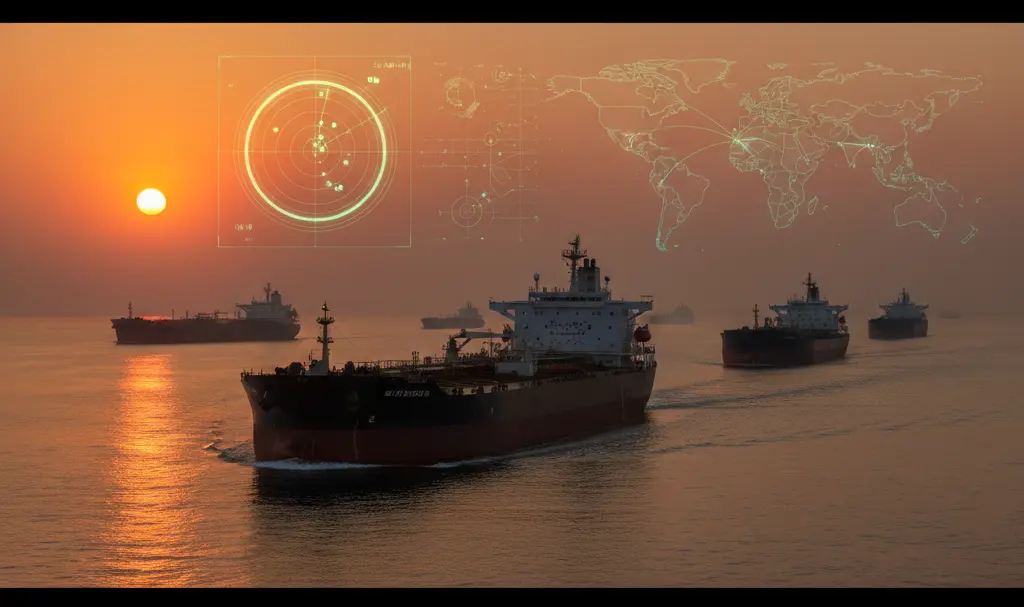
The Strait of Hormuz is undeniably one of the most critical chokepoints on the world’s energy map. Roughly one-fifth of the globe’s daily oil and liquefied natural gas (LNG) supplies transit through this narrow waterway. Any significant disruption to vessel traffic here would not only be a regional issue but could trigger profound shocks across the entire global economy.
Recent reports, including those from the UK Maritime Trade Operations, confirm incidents of tanker shelling in the area, leading to the evacuation of some crews. Simultaneously, numerous vessels have been left stranded in the waters of the Persian Gulf, awaiting further developments and clarification on safe passage.
Market Response and Investor Sentiment
The market reacted sharply, with crude oil prices leaping from around $73 per barrel to $80 per barrel at the start of the week in Asian trading. Despite this significant jump, investors have maintained a relative degree of calm, primarily because the ongoing conflict has not yet directly impacted oil production infrastructure. It is direct attacks on these vital facilities that would likely trigger widespread panic and a rapid escalation in prices.
Geopolitics, Producer Calculations, and Russia’s New Opportunity
OPEC’s Stance and Market Stability
Amidst these geopolitical tensions, major oil producers are making their strategic moves. Countries within the Organization of the Petroleum Exporting Countries (OPEC) have announced plans to increase production, aiming to signal their readiness to stabilize the market. However, the scale of this proposed increase is relatively modest, leading many analysts to view its potential impact with skepticism.
Conflicting Price Forecasts
Scenarios for oil prices in the coming weeks are highly divergent:
- Some experts believe that if transportation through the Strait of Hormuz becomes severely hampered or if military actions escalate further, crude oil could indeed exceed $100 per barrel.
- Others contend that even with a prolonged crisis, prices might stabilize below this “mythical” threshold, assuming no direct impact on production facilities.
Russia’s Potential Advantage
Interestingly, Russia might stand to benefit from the current turmoil. Why? Because India, which previously reduced its purchases of Russian oil due to international pressure, is now reassessing its options. With the tense situation in the Persian Gulf and concerns over constrained global crude supplies, a return to greater oil imports from Russia is transitioning from a political controversy to a matter of energy security for India.
Frequently Asked Questions (FAQ)
What is the Strait of Hormuz and why is it important for oil prices?
The Strait of Hormuz is a narrow, strategically vital waterway connecting the Persian Gulf to the Arabian Sea and the open ocean. It is a critical chokepoint through which approximately 20% of the world’s crude oil and petroleum products, as well as a significant portion of liquefied natural gas (LNG), passes daily. Any disruption or threat to shipping in this strait can severely impact global energy supplies, leading to immediate spikes in oil prices due to supply concerns.
What is Brent crude oil?
Brent crude oil is one of the major global benchmark prices for oil. It is sourced from oil fields in the North Sea and is commonly used to price two-thirds of the world’s internationally traded crude oil supplies. Its price fluctuations are closely watched as an indicator of global oil market trends.
Why are investors not panicking despite rising oil prices?
While oil prices have risen, major market panic has largely been averted because the ongoing conflict has not yet directly targeted or significantly damaged major oil production infrastructure in the region. Investors are primarily concerned about potential disruptions to the actual supply of crude oil from wells and processing plants.
Could oil prices reach $100 per barrel?
Experts hold divergent views. Some believe that if the situation in the Strait of Hormuz deteriorates significantly, leading to major shipping obstructions, or if military conflict escalates further, oil prices could indeed surpass $100 per barrel. Others suggest that without direct attacks on production facilities, prices might stabilize below this mark even if regional tensions persist.
Source: Rzeczpospolita, original analysis. Opening photo: Gemini
About Post Author
