Contents
Oppo Find X10 Pro Max: A Deep Dive into its Potential Triple 200MP Camera System
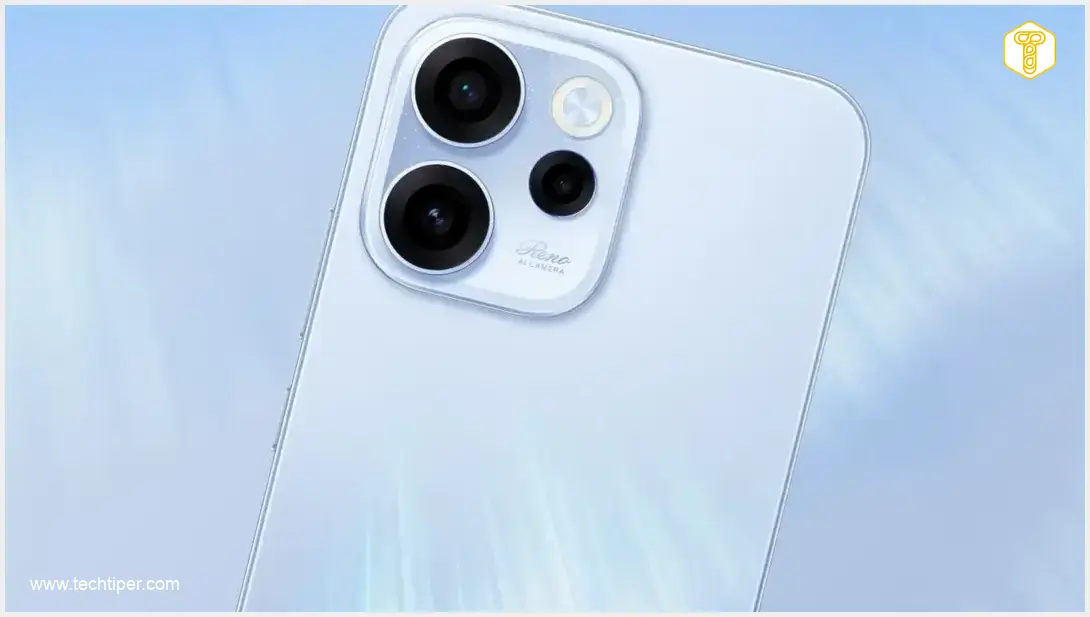
Oppo may be preparing a smartphone that could leave the competition far behind in terms of megapixel count. If the latest leaks prove true, the upcoming Find X10 Pro Max could feature an unprecedented triple rear camera system, each utilizing a 200-megapixel sensor.
For years, the photographic smartphone market has been an arena where Chinese manufacturers readily experiment with solutions that go beyond what industry giants like Samsung or Apple typically offer. Now, Oppo appears poised to make another significant move with the Find X10 Pro Max, potentially featuring an exceptionally advanced camera setup.
Oppo Find X10 Pro Max: A Potential Photography Powerhouse
Recent whispers and credible leaks suggest the Oppo Find X10 Pro Max will push the boundaries of mobile photography. Reports indicate a groundbreaking configuration:
- A main camera with a 200MP sensor.
- A telephoto lens also boasting a 200MP sensor.
- An ultrawide-angle lens, remarkably, also equipped with a 200MP sensor.
This potential setup, as hinted by sources like Ice Universe, suggests the Find X10 Pro Max could be the world’s first smartphone to feature 200MP sensors across its entire rear camera system. This strategy highlights Oppo’s ambition to lead innovation in camera technology, offering a distinct alternative to established flagship models like the Samsung Galaxy S26 Ultra or iPhone 17 Pro Max.
Unpacking the Triple 200MP Setup
The proposed three-camera system would see the primary lens complemented by dedicated telephoto and ultrawide-angle capabilities, each leveraging a high-resolution 200-megapixel sensor. This holistic approach aims to provide unparalleled detail and versatility across various photographic scenarios.
The Samsung ISOCELL HPC Sensor: A Closer Look
One particularly interesting aspect of these leaks is the potential integration of Samsung’s newly released 200MP ISOCELL HPC sensor for the main camera. This sensor, measuring 1/1.3 inches, is designed to significantly improve image quality, especially in challenging conditions.
Key features of the ISOCELL HPC sensor include:
- Enhanced Low-Light Performance: Designed to capture more light, leading to clearer images in dim environments.
- Increased Photodiode Capacity: Better light absorption for improved dynamic range.
- Improved Pixel Separation: Minimizes light leakage between pixels, resulting in sharper details and more accurate color reproduction.
- Superior Detail in Shadows: The sensor aims to bring out hidden details in darker areas of photos.
- Wider Tonal Range and Cleaner Images: Expected to produce photos with richer contrasts and reduced noise.
- HDR Support with Zoom: Capable of delivering High Dynamic Range performance across various digital zoom levels, from 1x up to 4x.
Beyond still photography, this sensor is also rumored to support full-resolution burst shooting at speeds of up to 7.5 frames per second. While impressive, the ultimate photographic capabilities of the phone will, of course, also depend heavily on Oppo’s software optimization and the overall integration of the camera system.
For an example of advanced camera integration, consider the Sony Xperia 1 IV, which also focused on revolutionary camera phone capabilities.

The Megapixel Myth: Beyond the Numbers
While the prospect of three 200-megapixel sensors sounds incredibly impressive on paper, it’s crucial to remember that a high megapixel count alone doesn’t automatically guarantee superior photographs. In mobile photography, several other factors play an equally, if not more, significant role:
- Sensor Size: Larger sensors can gather more light, leading to better image quality, especially in low light.
- Light Quantity: The amount of light available to the sensor directly impacts image clarity and detail.
- Optics: The quality of the lenses (glass, coatings) is paramount for sharp, undistorted images.
- Image Processing: Sophisticated software algorithms handle everything from noise reduction and dynamic range optimization to color science and computational photography.
Many experts argue that instead of continuously increasing resolution, a more impactful approach would be to equip a smartphone with three sensors of, for example, 50 megapixels each, but with a much larger physical size—closer to a 1-inch sensor. A larger sensor surface allows for the collection of significantly more light, which can contribute far more to overall image quality than merely adding more pixels.
What This Means for the Future of Smartphone Photography
If these specifications for the Oppo Find X10 Pro Max are confirmed, Oppo will undoubtedly have one of the most distinctive photographic smartphones on the market. The core question remains: will three 200-megapixel cameras genuinely translate into demonstrably better photos, or will it primarily serve as an impressive marketing specification?
We await official information regarding the Oppo Find X10 Pro Max. This ambitious strategy from Oppo could redefine expectations for flagship smartphone cameras, forcing other manufacturers to innovate further.
Frequently Asked Questions (FAQ)
The primary rumor suggests the Oppo Find X10 Pro Max will feature a groundbreaking triple rear camera system, with each of its three lenses (main, telephoto, and ultrawide) equipped with a 200-megapixel sensor.
The Samsung ISOCELL HPC is a newly released 200MP sensor that is rumored to be used in the main camera of the Oppo Find X10 Pro Max. It’s significant because it brings advancements like improved low-light performance, increased photodiode capacity, better pixel separation, and HDR support across various zoom levels, aiming to deliver superior image quality in challenging conditions.
No, a higher megapixel count does not automatically guarantee better photo quality. While more megapixels can capture more detail, other crucial factors like sensor size, the amount of light gathered, the quality of the optics (lenses), and sophisticated image processing software play an equally, if not more, important role in producing high-quality photographs.
Beyond megapixel count, key factors include the physical size of the sensor (larger sensors gather more light), the quality of the lenses (optics), the sophistication of the image processing algorithms, and overall software optimization. These elements collectively determine a camera’s ability to produce sharp, detailed, and well-exposed images in diverse lighting conditions.
Source: PhoneArena, Original Research.
Opening photo: oppo.com / screenshot
About Post Author