

Contents
The Future of Galaxy AI: Are Digital Human Clones Inevitable?
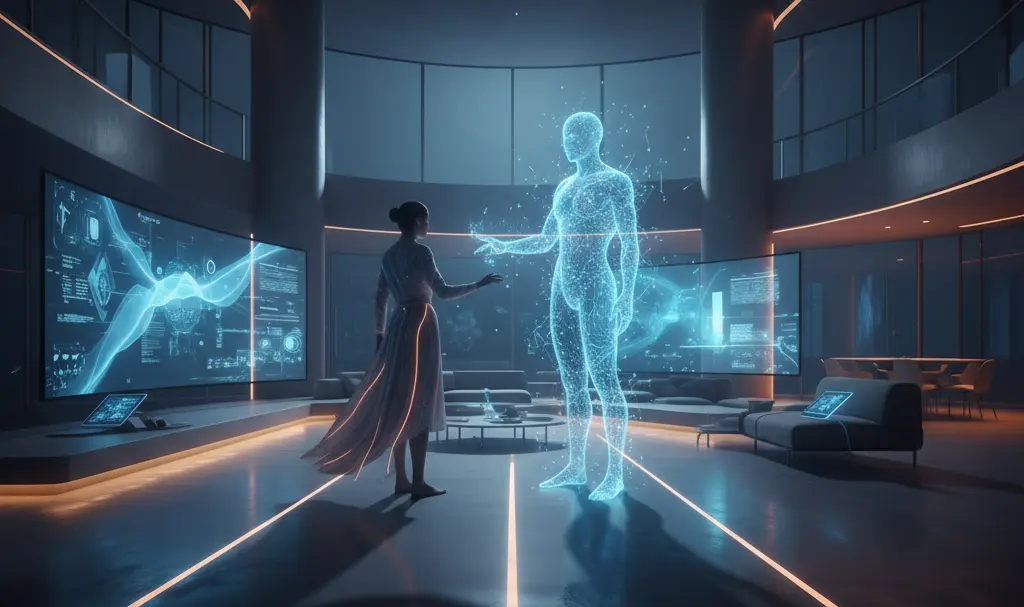
Samsung has been betting heavily on artificial intelligence for several years, aggressively promoting its growing Galaxy AI ecosystem. However, recent discussions surrounding the company’s design philosophy suggest a massive leap forward. During a podcast accompanying the corporation’s presence at Milan Design Week, a startling prediction was made: “We will create digital clones of people. It will happen organically.”
A 4-Point AI Philosophy: Competing Beyond Tech Specs
Renowned designer Mauro Porcini recently shared a comprehensive 4-point plan detailing how the philosophy behind product creation at tech giants like Samsung is fundamentally shifting. Instead of solely focusing on groundbreaking technical specifications, the future of consumer technology will pivot heavily toward artificial intelligence and emotional resonance. This strategy aims to recapture the massive marketing and emotional ground traditionally dominated by competitors like Apple.
To fully grasp this shifting landscape, we can break down the futuristic manifesto into four core pillars:
- Live Longer: Technology should actively help maintain good health and physical safety by providing instant access to life-saving knowledge and medical insights.
- Live Better: Users should leverage robotics and AI to drastically improve daily productivity, freeing up valuable leisure time to pursue personal passions.
- Live Louder: Technology must become a tool for ultimate self-expression and boundless creativity. You should be able to run a global business directly from a bedroom equipped with the right tech. Navigating the AI authenticity dilemma will be essential as our digital and human lives blend.
- Live Forever: By opening up your entire life’s data to artificial intelligence, you can create a digital replica of yourself. This allows your loved ones to seek your advice and interact with your AI clone long after you are gone.
The “Live Forever” Concept is Not Science Fiction
The Live Forever section of this manifesto is not an exaggeration. Speaking on the Rapid Response podcast, Porcini explained the emotional driving force behind this concept. “I would love to always be able to ask my dad what he would do if he were in my shoes,” he stated.
While noting that his parents are around 80 years old and hoping they live for another 50 years, the reality of mortality drives the desire for digital preservation. This concept of digital resurrection heavily mirrors recent debates in the entertainment industry regarding posthumous AI roles, pushing the boundaries of how we remember and interact with those who have passed.
The Evolution of the Smart Home in the Next Decade
The manifesto also paints a vivid picture of how household appliances and personal devices will transform over the next ten years. The traditional smart home is on the verge of a robotic revolution.
“Let’s assume that in 10 years, we will have various types of robots in our homes—humanoid, utility, and companion robots,” the prediction outlines. “When that happens, our consumer electronics and home appliances will fundamentally change. The robot will become the primary interface between you and the rest of your equipment.”
The Privacy and Cybersecurity Dilemma
While the tech industry’s fascination with generative AI is undeniable, this futuristic manifesto raises critical questions. What are the broader implications of creating digital clones and welcoming humanoid robots into our most private spaces?
Cybersecurity professionals and neuro-privacy experts face an unprecedented challenge. Digitizing a human personality requires harvesting deeply intimate data—from speech patterns and private memories to behavioral quirks. Ensuring this data remains secure and unmanipulated will be the ultimate test for companies pioneering this technology.

Frequently Asked Questions (FAQ)
What exactly is an AI digital clone?
An AI digital clone is a highly advanced, virtual replica of a person created by feeding artificial intelligence with their personal data, including speech patterns, memories, beliefs, and behaviors. The goal is to create an interactive digital entity that can converse and offer advice exactly as the real person would.
Will robots replace standard smart home hubs like smartphones or speakers?
According to recent design forecasts, yes. Within the next decade, humanoid and companion robots are expected to become the central interface of the smart home, managing other appliances and interacting with users far more naturally than current smart speakers or smartphone apps.
What are the main privacy risks of creating a digital human clone?
Creating a digital clone requires the continuous collection of extremely sensitive, personal data. The primary risks involve data breaches, unauthorized manipulation of a person’s digital likeness, and complex ethical questions regarding who actually owns the rights to a deceased person’s virtual consciousness.
Source: Fast Company / Rapid Response. Opening photo: Gemini
About Post Author
