Contents
Will Samsung Resurrect Variable Aperture for the Galaxy S27 Ultra?
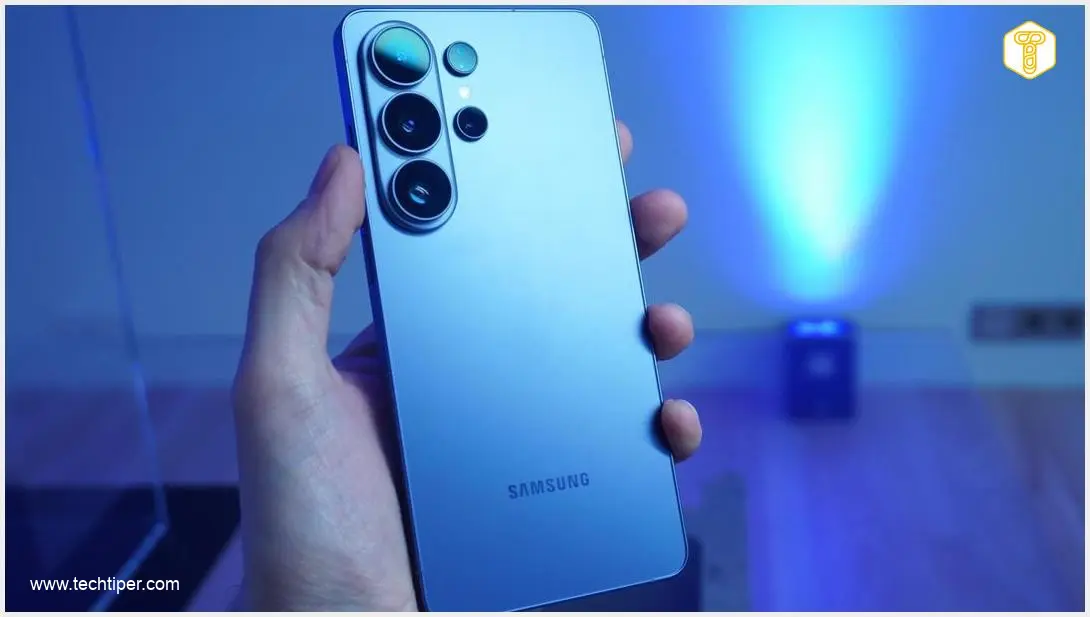
Samsung might be gearing up to bring back a forgotten yet highly effective feature to its flagship smartphone lineup. Recent leaks suggest that the future Samsung Galaxy S27 Ultra could combine a highly sensitive 200MP sensor with variable aperture technology, marking a significant leap forward in mobile photography.
Major Camera Upgrades on the Horizon
While the tech community is currently focused on near-term releases and Samsung Galaxy S26 Ultra development, industry insiders are already spotting massive changes planned for the S27 generation. One of the most notable rumors involves a complete redesign of the camera layout.
According to early reports, Samsung might shift the camera module’s placement across the entire Galaxy S27 series. This architectural change is reportedly necessary to accommodate a built-in magnetic ring, finally introducing native support for Qi2 chargers and magnetic accessories to the flagship series. However, the external redesign is just the beginning.
The Return of Variable Aperture
Reliable technology tipster Smart Pikachu recently shared intriguing insights on the microblogging platform Weibo. According to the leak, both Samsung and Huawei are actively testing next-generation 200MP main cameras equipped with a variable aperture lens. This suggests that the upcoming Galaxy S27 Ultra will likely be the device to debut this advanced optical hardware.
Variable aperture technology offers several key benefits for mobile photography:
- Physical Light Control: Mechanically adjusts the amount of light hitting the sensor, adapting perfectly to bright daylight or extremely low-light conditions.
- Natural Bokeh Effect: Creates a genuine optical background blur, reducing the reliance on artificial software-driven portrait modes.
- Enhanced Depth of Field: Gives photographers granular control over what stays in focus, which is crucial for massive 200MP sensors that naturally have a shallow focal plane.
A Competitive Smartphone Photography Landscape
Variable aperture in smartphones isn’t a completely new concept, but it is experiencing a major renaissance. In recent years, premium devices have utilized similar technology to dominate mobile photography charts.
Samsung itself experimented with mechanical camera elements years ago. Long-time tech enthusiasts might remember the Galaxy S10 from 2019, which allowed users to physically switch the lens aperture based on environmental lighting. As modern camera sensors have grown substantially larger and more capable, bringing back this physical control mechanism makes more sense than ever.
The competition is also heating up. Apple is heavily rumored to adopt similar lens technology in the near future. Industry analysts expect the Cupertino giant to equip the iPhone 18 Pro series with a variable aperture lens, which perfectly aligns with ongoing iPhone 200MP camera sensor rumors for upcoming generations.
Frequently Asked Questions (FAQ)
What is a variable aperture camera in a smartphone?

A variable aperture camera uses a mechanical system to change the size of the lens opening. This allows the camera to physically control how much light hits the sensor and adjusts the depth of field, leading to better low-light performance and true optical background blur without relying entirely on AI or software processing.
Why would Samsung bring back variable aperture for the Galaxy S27 Ultra?
As smartphone camera sensors become physically larger (like modern 200MP sensors), they naturally produce a very shallow depth of field. A variable aperture allows the camera to stop down (reduce the opening) to keep more of the scene in focus, making the camera incredibly versatile for both detailed close-ups and sweeping landscapes.
Will the Galaxy S27 series feature magnetic charging?
Current leaks strongly suggest that the Galaxy S27 series will shift its rear camera layout specifically to accommodate a magnetic ring inside the chassis. This would enable full compatibility with the Qi2 wireless charging standard, allowing users to seamlessly attach magnetic chargers, wallets, and accessories.
Source: GSMArena & Opening photo: Krzysztof Rojek
About Post Author