

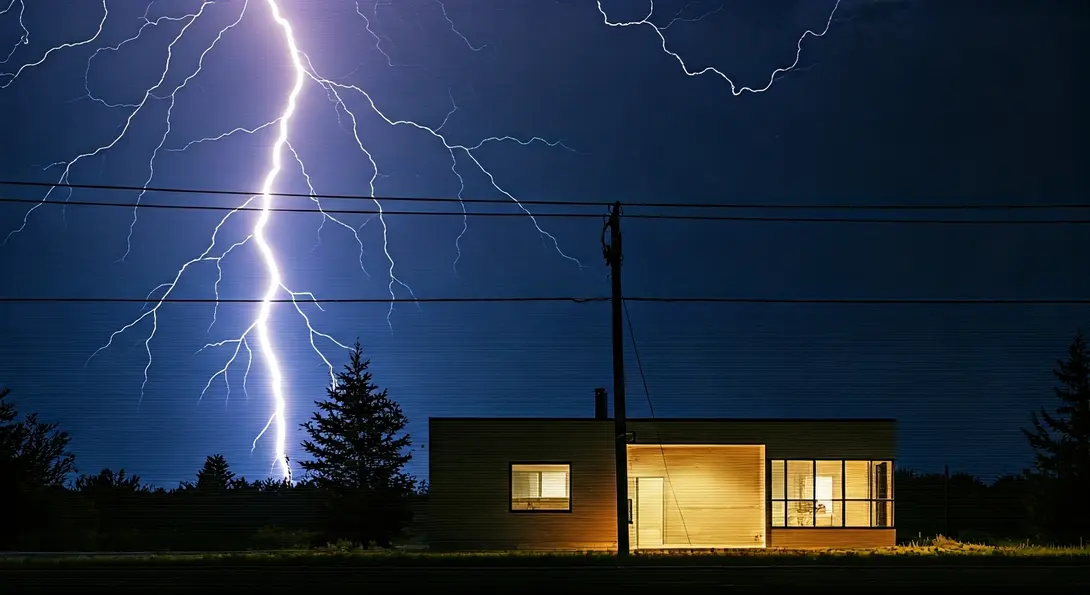
Protecting Your Electronics: Why Unplugging is Crucial During a Thunderstorm
For many, the first sign of a thunderstorm once meant an immediate scramble to unplug every electronic device and patiently wait for the thunder to subside. Today, especially in urban areas, there’s a tendency to treat such weather with a degree of complacency. However, experts warn that this relaxed attitude can lead to significant risks.The Clear Signal from a Storm: Unplugging Isn’t Enough
Thunderstorms, and the powerful electrical discharges they bring, remain an undeniable threat to people, their homes, and the numerous electronic devices within. While modern homes feature various electrical safeguards, the raw power of a lightning strike can often bypass these protections. According to safety advisories from emergency services, the safest place to be during a thunderstorm is indoors. Even then, immediate steps are necessary:- Close all windows to prevent drafts and potential entry points for electrical currents.
- Unplug electrical appliances from wall outlets.
- Avoid touching metal objects that can conduct electricity, such as pipes, faucets, or radiators.
Why Do Storms Pose a Threat Despite Modern Safeguards?
A common misconception is that lightning rods offer complete protection, leading many to believe that “nothing will happen, that’s what the lightning rod is for.” However, lightning rods are designed primarily to intercept direct lightning strikes and safely channel the massive electrical charge into the ground. They are not intended to protect against indirect strikes or surges from the power grid. If lightning strikes the power grid—or even very close to it—the resulting surge can travel through the electrical lines directly into your home’s wiring. Even if your devices are turned off via their power button, they are still physically connected to the circuit. An unexpected and greatly amplified electrical charge can flow through the installation, damaging or destroying anything connected by wire. This highlights the critical importance of physically disconnecting appliances from their power source. When designing or renovating your home, consider the accessibility of electrical outlets. Avoid positioning furniture like cabinets or dressers that block easy access to sockets. This foresight allows you to quickly unplug even the least frequently disconnected devices, such as routers or refrigerators, during a thunderstorm threat. This proactive approach ensures better protection for your technology, complementing broader system management strategies like those discussed in Google Gemini’s memory import feature.Frequently Asked Questions (FAQ)
Turning off electronics doesn’t physically disconnect them from the electrical circuit. A lightning strike, even if indirect or impacting the power grid nearby, can cause electromagnetic induction. This can generate a surge of electricity that travels through your home’s wiring and damages or destroys devices still plugged in, even if they are switched “off.”

No, lightning rods are designed to protect a structure from direct lightning strikes by safely diverting the charge into the ground. They do not protect against power surges that come through the main electrical grid if lightning strikes power lines nearby, nor do they prevent electromagnetic induction from an indirect strike.

While surge protectors offer a degree of protection against minor power fluctuations and some surges, they often cannot withstand the immense power of a direct or very close lightning strike. For the most comprehensive protection during a severe thunderstorm, physically unplugging sensitive electronics from wall outlets is strongly recommended, as it completely severs the connection to the power grid.
Beyond unplugging electronics and closing windows, consider installing whole-house surge protection at your electrical panel for an added layer of defense. During home renovations, ensure electrical outlets are easily accessible to facilitate quick unplugging of devices like routers and refrigerators. Always stay informed about weather warnings and seek shelter indoors when storms approach.
Source: Original content and expert commentary. Opening photo: Gemini
About Post Author

Renu Verma
Renu Verma is a Technology News Writer who wants to help people stay informed about latest Tech-News. Renu spends most of his waking hours in front of one screen or another and has been known to start twitching when cut off from the Internet for too long.