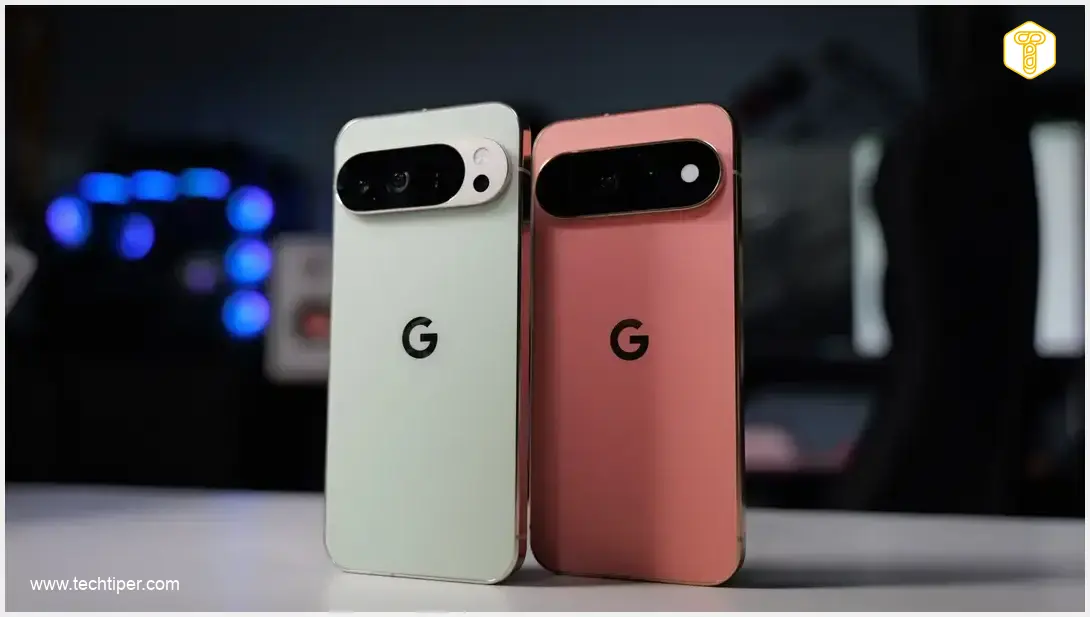
Google Pixel 11 Pro XL Review: The Missing Thermometer
-
HiLight Innovation
-
Thermometer Utility (Historical)
-
HiLight Current Functionality
-
HiLight Future Potential
-
Hardware Design Change
Pixel 11 Pro XL: A Disappointing Shift in Practical Innovation
Google’s decision to replace the highly useful thermometer with the limited HiLight module on the Pixel 11 Pro XL marks a disappointing shift. While HiLight has developmental potential, its current functionality feels like a downgrade from a truly indispensable sensor, making the new flagship less practical and removing a unique selling point for many users.
Advantages
- HiLight offers customizable notification LEDs with 5 distinct colors.
- HiLight can function as a countdown timer for self-timer photos.
- HiLight has developmental potential for new features via software updates.
- HiLight provides visual cues/animations when the phone is face down during calls.
Disadvantages
- Removal of the unique and highly useful physical thermometer sensor.
- HiLight’s current functionality is limited and less practical than the thermometer.
- HiLight’s primary utility is when the phone is placed screen-down, limiting broader engagement.
- The exchange of a practical measuring sensor for a glowing diode is seen as a step backward.
- Loss of a distinctive temperature sensing function and unique selling point.
Contents
Google’s Controversial Shift: The Pixel 11 Pro XL’s Missing Thermometer
Google has a reputation for introducing innovative, albeit sometimes controversial, features in its smartphone lineup. The recently unveiled Pixel 11 Pro XL and its smaller variant continue this trend, but with a notable omission: the thermometer. This once-unique sensor has been replaced by a multicolor light module dubbed ‘HiLight.’ For many, this change has highlighted just how much a seemingly niche feature can be missed.
For more insights into the latest Pixel models and their upcoming features, you can explore our Google Pixel 11 leaks, specifications, and release date information.
The Rise and Fall of the Pixel’s Temperature Sensor
A Novel Feature: The Thermometer’s Debut with Pixel 8
The journey of Google’s integrated temperature sensor began with the launch of the Google Pixel 8 series in 2023. While the standard Pixel 8 sported a classic camera bar, the Pro variant distinguished itself with an entirely new sensor – a thermometer strategically placed just beneath the flash diode.
Initial Skepticism and Evolution
The introduction of the thermometer wasn’t met with universal acclaim. Early reviews frequently critiqued it as a forced innovation, an attempt to add features for their own sake. Initially, the accompanying application could only differentiate between a few basic surfaces, and a significant drawback was its inability to measure skin temperature directly.
However, Google iteratively improved the feature. With the debut of the Google Pixel 9 Pro in the European market, body temperature measurement capabilities were introduced and subsequently rolled out to the Pixel 8 Pro via a Pixel Drop update. The dedicated “Thermometer” application became more sophisticated, offering compatibility with a wider range of surfaces and a more appealing user interface. Sadly, this evolution concluded with the Google Pixel 10 Pro and Pro XL, which were the final devices to incorporate this distinctive temperature sensing function. For those interested in previous models, you might find valuable information on Google Pixel 10 discounts and how to save over 325 dollars.
Unexpected Utility: The Many Applications of a Smartphone Thermometer
Having used Google’s flagship phones extensively, the author developed numerous scenarios where this small sensor on the camera island proved invaluable. It became an indispensable tool for a variety of everyday tasks and explorations.
- Tech Testing:
- Instantly checking the temperature of a car dashboard during hot weather or monitoring a smartphone running navigation with Android Auto.
- Assessing how hot electronic device casings become under heavy processing loads.
- Culinary Aid:
- Quickly verifying the doneness of food, such as ensuring an egg under a tortilla had set, preventing messy kitchen accidents.
- Precisely measuring water temperature before adding yeast for pizza dough, crucial for perfect fermentation.
- Curiosity and Environment:
- During extreme heatwaves, discovering that a parking lot surface could reach approximately 80 degrees Celsius (176°F).
- Observing car tires easily exceeding 60 degrees Celsius (140°F) after even a short, spirited drive.
HiLight: The Pixel 11 Pro XL’s New (and Less Practical) Addition
A Replacement with Limited Functionality
In the latest Pixel 11 Pro XL and 11 Pro models, Google has made the decision to completely remove the physical thermometer. In its place, a new element called HiLight has been introduced – a dedicated light module. Beyond functioning as a traditional flashlight with adjustable intensity, this replacement for the thermometer essentially acts as a rediscovered notification LED.

Current HiLight Features
HiLight offers a few functionalities, primarily focused on aesthetic notifications and minor utilities:
- Customizable Illumination: Users can select from five distinct colors to assign to their favorite contacts, providing a visual cue for incoming calls or messages.
- Visual Cues: When the smartphone is placed face down, such as during a call with Google Gemini, HiLight displays an attractive animation.
- Practical Timing: It can serve as a convenient countdown timer when taking photos with a self-timer.
The Shortcomings of HiLight
Despite these features, HiLight’s functionality currently feels quite restricted. Its primary utility is observed when the phone is placed screen-down, limiting its broader engagement. The placement on the camera island also narrows its practical applications, making it feel more like a stylistic gadget than a truly versatile or indispensable tool on the Pixel 11 Pro XL.
Future Prospects: Can HiLight Evolve?
The exchange of a practical measuring sensor for a glowing diode might seem like a step backward, leading to the loss of a unique selling point. However, HiLight in the Google Pixel 11 Pro XL does possess some developmental potential. Over time, it could gain new applications, such as signaling charging status or battery levels.
Forthcoming software updates are likely to bring about integration with third-party applications and introduce novel lighting effects. We may also see an increase in personalization options. While HiLight could indeed become significantly better with future enhancements, no software update will ever restore the physical temperature sensor that some users, including the author, will undoubtedly miss.
Frequently Asked Questions (FAQ)
The thermometer in previous Google Pixel Pro models (Pixel 8 Pro, 9 Pro, 10 Pro/XL) was used for measuring surface temperatures of objects, assessing the heat of electronic devices under load, and later, for measuring body temperature. It proved useful for tasks ranging from cooking to monitoring environmental temperatures.
The temperature sensor was first introduced with the Google Pixel 8 Pro and continued through the Google Pixel 9 Pro and Google Pixel 10 Pro/Pro XL. It is notably absent from the latest Pixel 11 Pro XL series.
HiLight is a new dedicated light module on the Pixel 11 Pro XL that replaces the physical thermometer. It functions as both an adjustable flashlight and a reimagined notification LED. Its current capabilities include customizable color notifications for favorite contacts, visual animations during calls when the phone is face down, and acting as a countdown timer for self-timer photos.
The article indicates that Google chose to replace the thermometer with the HiLight module, suggesting a shift in focus from practical measurement tools to more aesthetic or notification-based features. The precise reasons for its removal are not explicitly stated, but it follows a pattern of Google introducing unique, sometimes controversial, changes.
No, future software updates cannot bring back a physical sensor that has been removed from the hardware. While the HiLight module might gain more functionalities and personalization options through software updates, the absence of the physical thermometer on the Pixel 11 Pro XL is a permanent hardware change.
Source: Self-authored. Opening photo: Krzysztof Wilamowski
About Post Author