Contents
Critical MediaTek Vulnerability Threatens Android Security
A recently uncovered security vulnerability within MediaTek chipsets is challenging the fundamental assumptions of data protection in Android devices. This isn’t an isolated flaw; the vulnerability could potentially affect a significant number of Android smartphones powered by MediaTek processors, raising serious concerns about user data integrity.
The CMF Phone 1 Breach: A Stark Demonstration
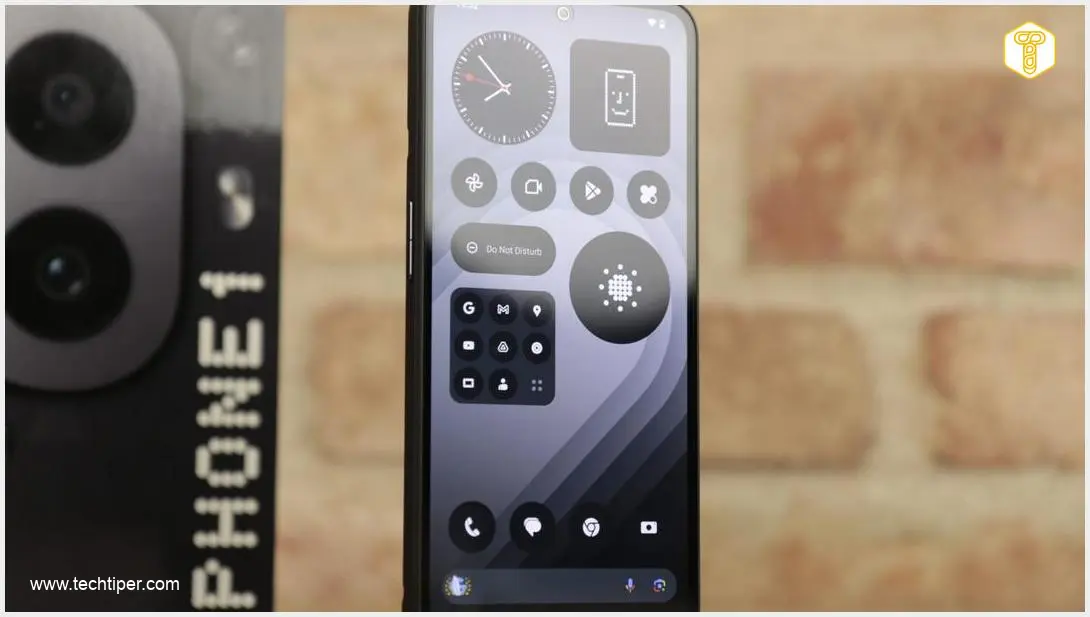
The severity of this issue was dramatically highlighted by a successful exploit of the CMF Phone 1, equipped with a Dimensity 7300 chipset. Security researchers were able to breach the device in a mere 45 seconds after connecting it to a computer via USB.
Crucially, this attack occurred before the operating system even booted. The security team, Donjon, managed to intercept critical information including:
- User PIN codes
- Access to device memory
- Cryptocurrency wallet data
The fact that the attack did not require Android to fully launch signifies a major bypass of standard protection mechanisms, such as screen locks and disk encryption, rendering them entirely ineffective against this type of exploit.
Understanding the MediaTek Vulnerability: Beyond Android
Further research into this vulnerability indicates that the problem may stem from a broader architectural flaw within the MediaTek platform itself. The core issue lies within the “boot chain” — the critical sequence of operations that initializes a device’s system even before the Android operating system begins to load.
During this early boot phase, MediaTek-powered devices load a crucial component known as the Trusted Execution Environment (TEE), provided by Trustonic. The TEE is a hardware-software isolated space specifically designed to store and process sensitive data, acting as a secure enclave for critical operations like authentication, digital rights management, and secure payments. It is intended to be the ultimate line of defense for a device’s most sensitive information.
How the Exploit Bypasses TEE Security
Researchers have identified that the vulnerability allows an attacker to breach the boundary between the TEE and the Android operating system. Rather than directly cracking cryptographic protections, the exploit leverages a flaw in the communication and initialization process of the TEE itself. This means the very security mechanism designed to be the device’s last resort is compromised, failing to perform its intended function.
The full scale of this problem is not yet known. However, initial studies suggest that this vulnerability, specifically concerning MediaTek and Trustonic TEE configurations, could potentially impact a wide array of Android devices.
Implications for Android Security
This type of pre-boot vulnerability is particularly concerning because it targets the foundational security layers of a smartphone. By compromising the boot chain and TEE, attackers can gain deep access to a device, potentially extracting data that even full disk encryption is designed to protect. Users are typically left unaware of such deep-level compromises until it’s too late.

MediaTek processors, such as high-performing Dimensity chipsets, often offer competitive performance comparable to leading Snapdragon chipsets. However, despite their processing power, this security flaw highlights that raw performance does not always equate to robust security across all layers of a device.
Frequently Asked Questions (FAQ)
What is the MediaTek boot chain vulnerability?
This vulnerability is a security flaw in the initial startup sequence (boot chain) of MediaTek processors. It allows attackers to access sensitive data and bypass core Android security features before the operating system even fully loads.
How does this vulnerability bypass standard Android security?
The vulnerability operates at a very low level, before Android has fully booted. This means security measures like screen locks, full disk encryption, and other OS-level protections are not yet active or can be circumvented, allowing direct access to critical data stored in the device’s memory or its Trusted Execution Environment (TEE).
Which MediaTek chipsets or smartphones are confirmed to be affected?
While the CMF Phone 1 with a Dimensity 7300 chipset was demonstrated as vulnerable, researchers suggest the issue extends to a broader architectural flaw within the MediaTek platform and its interaction with Trustonic TEE. This implies that many devices utilizing various MediaTek processors could potentially be at risk, though a comprehensive list of affected models is not yet available. Users are advised to stay updated on official security advisories.
What is a Trusted Execution Environment (TEE) and why is its compromise significant?
The Trusted Execution Environment (TEE) is a secure, isolated area on a processor designed to handle sensitive operations and store critical data like biometric information, cryptographic keys, and payment details. Its compromise is highly significant because the TEE is intended to be the device’s strongest security defense, and a breach means that even the most protected data could be exposed to an attacker.
What steps can users take to protect their MediaTek-powered smartphones from this vulnerability?
Given that this is a low-level, pre-boot vulnerability, user actions are limited until device manufacturers release security patches. Users should ensure their devices are always updated with the latest software and security patches as soon as they become available. Additionally, exercising caution when physically connecting your smartphone to unknown computers or chargers is a general good practice.
Source: AndroidAuthority, original research. Opening photo: Lukasz Pajak
About Post Author