

Contents
How to Use an iPhone Without an Apple ID: A Guide to Digital Minimalism
Can you use an iPhone without logging into an Apple Account? The short answer is yes. An Apple ID is not a mandatory lock that prevents you from booting up and using the device. However, choosing this path means embracing extreme digital minimalism.
Whether you are setting up a work phone, protecting your privacy, or trying to disconnect from modern distractions, bypassing the account creation is entirely possible. Here is a comprehensive guide on how to configure your device, what to expect, and how it compares to the Android ecosystem.
How to Set Up an iPhone Without an Apple Account
When you turn on a new or factory-reset iPhone, the setup assistant will inevitably ask for your Apple credentials. It is one of the very first prompts, making it seem like an absolute requirement. Fortunately, it is not.
You can skip this step and still use the smartphone, though it will fundamentally change your user experience. Here is how to bypass the login:
- Start the Setup: Power on the device and proceed through the initial screens, selecting your language, region, and connecting to a Wi-Fi network.
- Reach the Login Screen: The device will prompt you to sign in with an existing Apple ID or create a new one.
- Find the Bypass Option: Look for the smaller text that says “Forgot password or don’t have an Apple ID?” and tap it.
- Skip the Setup: A new menu will appear. Select “Set Up Later in Settings”.
- Confirm Your Choice: The system will ask if you are sure. Simply tap “Don’t Use” to proceed.
The process is straightforward, even though iOS will occasionally remind you to sign in later. By doing this, you keep the device functional without tying it to a personal data profile.
Life Without an Apple ID: What Works and What Doesn’t?
Using an iOS device without an account transforms it into a premium “feature phone.” You get high-end hardware, but severely limited software capabilities. Here is a breakdown of what you can and cannot do.
What Still Works
- Basic Connectivity: Standard cellular network functions work flawlessly. You can make phone calls and send regular SMS text messages.
- Web Browsing: Safari is fully functional, allowing you to surf the web without restrictions.
- Photography: You can take photos and record videos. All media will be stored locally on the device’s internal storage.
- Pre-installed Apps: Essential system applications like the Calculator, Notes, Calendar, Clock, and Flashlight remain fully operational.
By relying only on basic functions and eliminating background syncs from third-party software, you might also notice a significant extension in your charge—an unorthodox but highly effective way to improve iPhone battery life.
What You Will Lose
The most significant drawback is the complete loss of the App Store. Without authenticating, you cannot download a single application. This means no social media, no third-party messaging apps (like WhatsApp), and no mobile banking.
Additionally, iCloud is disabled. Your local photos and documents will not be backed up to the cloud. If you lose or break the device, your data is gone forever. Crucially, the Find My network will not function, meaning you cannot track or remotely lock a stolen phone.

iPhone vs. Android: Which is Better for Account-Free Usage?
When comparing account-free experiences, the philosophy between iOS and Android differs drastically. An iPhone without an account is highly restricted because Apple strictly prohibits installing apps outside the App Store (in most regions). You are permanently locked into the factory-installed software.
On Android, you can also skip the Google Account login during setup, but the device remains vastly more versatile. Android allows for “sideloading,” meaning you can download installation files (.apk) directly from a developer’s website or use alternative app repositories. You can still install Spotify, messaging apps, or browsers without feeding data to Google.
However, simply skipping the Google login doesn’t stop Google Play Services from running in the background. For true privacy, tech enthusiasts often install custom, de-Googled operating systems like GrapheneOS, CalyxOS, or LineageOS, which strip out tracking codes entirely.
Is Skipping the Apple ID Worth It?
It depends entirely on your goals. Using a modern, premium smartphone without an account feels like using a mobile phone from the early 2000s. It is like owning a luxury car where you cannot change the radio station or open the windows—highly secure, but incredibly limiting.
However, there are valid scenarios where this makes sense. First, it offers maximum privacy since no location, contact, or usage data is synced to an Apple server. Second, it serves as an excellent designated device for secure, offline tasks, like a secondary phone used purely for high-quality job site photography or private voice calls.
Finally, it is the ultimate tool for a digital detox. If you struggle with screen addiction, deliberately cutting off access to the App Store is a powerful step. It aligns perfectly with strategies used to reduce phone usage and embrace a digital detox, leaving you with only the essentials: calls, texts, and a camera.
Frequently Asked Questions (FAQ)
Does skipping the Apple ID login prevent me from installing iOS system updates?
No, you can still install system software updates without an Apple ID. Updates are tied to the device hardware, not a personal account. You can update over the air via Settings > General > Software Update, or by connecting the device to a computer.
Can I use iMessage or FaceTime without an Apple Account?
No. While standard cellular voice calls and SMS text messages work perfectly, iMessage and FaceTime require an active Apple ID to securely route your encrypted messages and calls through Apple’s servers.
Is it possible to download free apps from the App Store without logging in?
No. The App Store requires authentication for all downloads, including entirely free applications. Without logging in, you are strictly limited to the pre-installed iOS applications that come with the device.
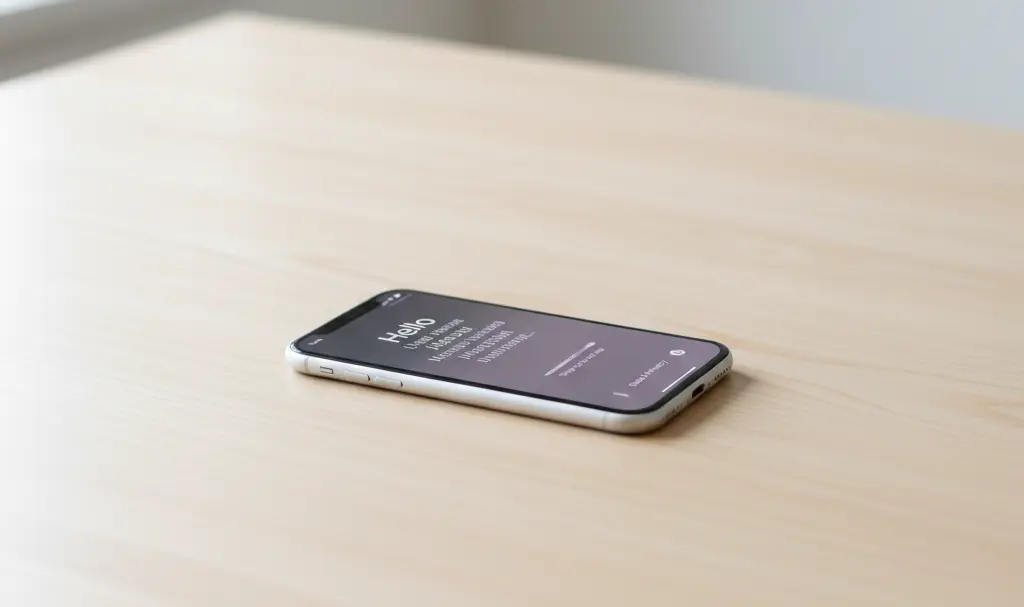
Source: Gemini & Opening photo: Gemini
About Post Author
