

Contents
The EU Mandate for Removable Batteries: A New Era for Electronics
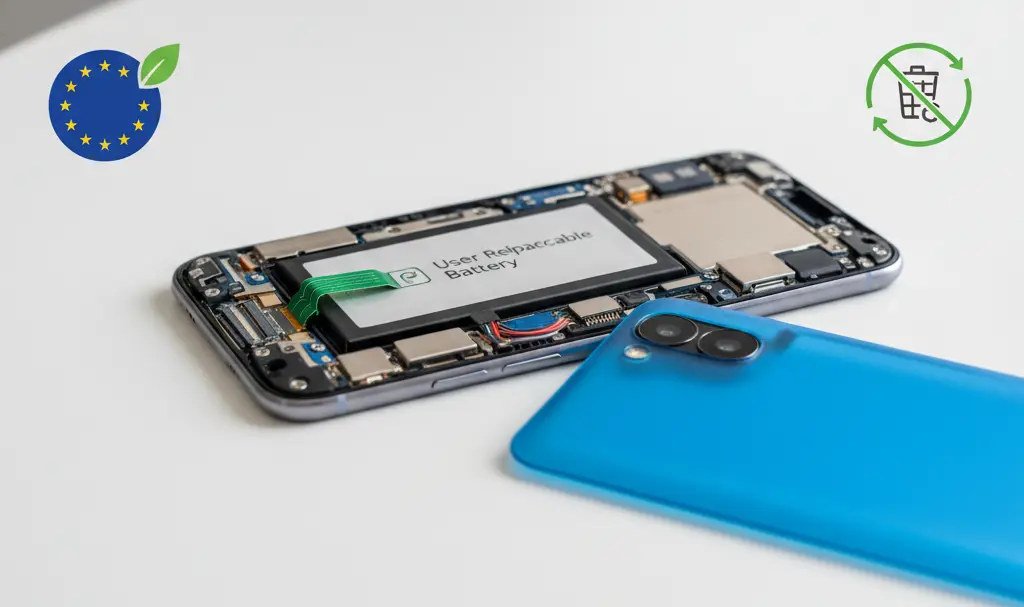
For years, the move away from easily replaceable batteries in popular electronics, particularly smartphones, has been a significant point of frustration for consumers. The convenience of swapping out a depleted battery for a fresh one became a thing of the past, often leading to devices being discarded sooner than necessary. However, a major shift is on the horizon. The European Union has decided that easily replaceable batteries must once again become a standard feature for the majority of electronic equipment, driven primarily by sustainability goals.
The Impending EU Mandate: February 2027 Deadline
The deadline for this pivotal European Union regulation, which mandates the inclusion of user-replaceable batteries in electronic devices, is rapidly approaching. The new rules are set to take effect in February 2027. A key motivation behind this initiative is a stronger commitment to environmental protection, specifically promoting recycling and extending the lifespan of electronic products.
The regulations will encompass a wide array of devices. Beyond smartphones, the list of affected electronics includes:
- Electric vehicles
- Gaming consoles
- Toys
- Wearable technology (smartwatches, fitness trackers, etc.)
Manufacturers who fail to comply with this mandate face severe penalties, which could include the withdrawal of their products from the European market. This stringent enforcement underscores the EU’s commitment to creating a more sustainable electronics industry.
Tech Giants Prepare for Change
The industry is already demonstrating varied responses to the upcoming regulations. For instance, Meta reportedly had to delay the launch of its Ray-Ban Display smart glasses to ensure they meet the new EU standards for battery replaceability. This illustrates the significant design challenges and adaptations required for some existing products.
In contrast, other companies are adopting a more proactive approach. Nintendo, for example, is reportedly planning to release its new Switch 2 console well before the February 2027 deadline, indicating that it aims to comply with the upcoming regulations from its initial design phase.
Leading smartphone manufacturers, Samsung and Apple, have also made substantial progress in adapting their flagship products. Samsung has facilitated easier battery replacement by significantly reducing the amount of adhesive used in its devices. Apple, known for its integrated designs, has introduced a removable rear panel and a battery designed to be hot-swappable, meaning it can be replaced even while the device is powered on. These innovations highlight the diverse engineering solutions being developed to meet the new requirements.
Specific Exemptions to the Battery Replacement Rule
While the regulation is broad, the EU has acknowledged that a universal application might not be practical for all electronic devices. Certain categories of equipment are exempt from the mandatory replaceable battery requirement due to inherent design complexities, size constraints, or specialized functions. This narrow group includes:
- Underwater devices
- Some professional medical equipment
The rationale for these exemptions often relates to the critical importance of sealed designs for water resistance, sterilization, or ensuring the integrity of life-saving medical apparatus.

Intriguingly, there is already speculation that the European Commission might consider expanding this list of exceptions. Any such changes could potentially occur even after the initial regulations come into force, reflecting an ongoing adaptive approach to policy implementation.
However, the EU’s decision has faced criticism, particularly from lobbyists representing the wearable device sector. They argue that many manufacturers in this segment had already launched products with integrated battery solutions long before these regulations were drafted. They contend that equating the design challenges and functional requirements of compact wearables with those of larger electronic devices is fundamentally unreasonable.
Frequently Asked Questions (FAQ)
What is the primary motivation behind the EU’s new battery regulation?
The primary motivation is environmental protection, specifically to enhance recycling rates and extend the lifespan of electronic devices. By making batteries easily replaceable, the EU aims to reduce electronic waste and promote a more sustainable circular economy.
Which types of electronic devices are specifically mentioned in the new EU regulation?
The regulation covers a broad range of electronics, including smartphones, electric vehicles, gaming consoles, toys, and wearable devices such as smartwatches and fitness trackers.
How are major tech companies like Apple and Samsung adapting their products for user-replaceable batteries?
Apple has introduced a removable rear panel and a “hot-swappable” battery design, allowing it to be replaced even when the device is powered on. Samsung has focused on reducing the amount of adhesive used, making the battery cells easier to access and replace. These examples show how companies are innovating to meet the new design requirements.
What are the potential long-term impacts of this regulation on consumer behavior and the electronics market?
This regulation is expected to significantly impact consumer behavior by encouraging longer device usage and reducing the frequency of new purchases, as users can simply replace a worn-out battery instead of the entire device. For the electronics market, it will likely drive innovation in modular design and battery technology, potentially increasing repairability services and fostering a more sustainable product lifecycle. It may also lead to changes in device aesthetics or thickness, as manufacturers balance design with ease of battery access.
Source: Bloomberg. Opening photo: Alina Mosinyan / Adobe Stock
About Post Author
