Contents

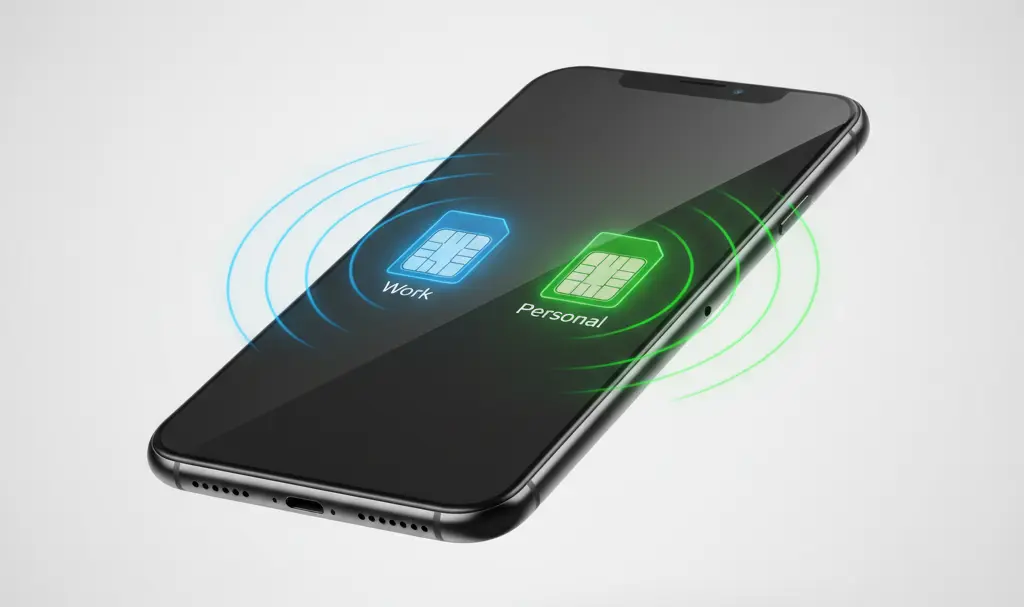
Native Dual-SIM Ringtones: Enhancing Call Management in Android 17
Smartphones have supported dual-SIM functionality for years, offering a seamless way to manage both personal and professional phone numbers on a single device. Despite this long-standing hardware capability, distinguishing between incoming calls on these distinct lines hasn’t always been straightforward at the software level.

Recent discoveries in test builds reveal that the upcoming Android update will finally introduce a much-needed quality-of-life improvement. The system will soon offer native tools to help users instantly identify which number is ringing, streamlining the way we handle dual-line communications. If you are curious about when these builds might drop to the public, be sure to check out our Android 17 beta release date and testers guide.
Custom Ringtones for Separate SIM Cards
It is somewhat surprising that basic native Android software has lacked the ability to assign distinct ringtones to separate SIM cards for so long. However, several lines of code recently discovered in an Android Canary APK build indicate that this oversight is finally being addressed directly within the core OS.
Based on the published code snippets, this highly anticipated feature is designed to be comprehensive. Key updates include:
- Physical SIM Support: Assign unique audio alerts to standard hardware SIMs.
- eSIM Compatibility: Full integration with digital eSIM profiles.
- Temporary Profiles: Support for temporary or travel eSIMs commonly used during international trips.
OEM Interfaces Were Ahead of the Curve
Interestingly, several smartphone manufacturers identified this gap in the native operating system years ago. Various custom Android interfaces (OEM skins) have supported separate ringtones without relying on the core Android system architecture.
An intriguing example is Motorola. Despite generally offering a very clean, near-stock Android software experience, the company implemented its own robust workaround early on to allow users to differentiate calls between work and personal lines seamlessly.
What This Means for the Android Ecosystem
Native integration of this feature marks a significant step forward for the overall Google ecosystem under construction. By building this capability directly into the core operating system, Google ensures a more stable, battery-efficient, and standardized experience across all devices.
Initially, there may be a brief period of exclusivity for Google Pixel smartphones. However, since this is a foundational system feature, it is highly likely that subsequent revisions of third-party Android UI skins will adopt the native framework, eventually bringing the functionality to all supported devices globally.
Frequently Asked Questions (FAQ)
Does the new Android 17 dual-SIM ringtone feature support eSIMs?
Yes, recent code leaks indicate that the new feature is designed to be highly comprehensive. It will fully support physical SIM cards, permanent eSIMs, and even temporary eSIM profiles typically used for traveling.
Will this separate ringtone feature be exclusive to Google Pixel phones?
While Google often introduces new software capabilities as timed exclusives for their Pixel lineup, core operating system features typically roll out to other manufacturers’ custom UI skins in subsequent system updates. Eventually, most modern Android devices should receive this functionality natively.
Why is native dual-SIM ringtone support important if my phone already does it?
Although some manufacturers built custom software workarounds for their specific devices, natively embedding this support at the Android OS level ensures a standardized, bug-free experience. It improves system stability, eliminates redundant background processing, and guarantees that all future Android phones will have this basic functionality right out of the box.
Source: Android Authority & Opening photo: Gemini
About Post Author