

Contents
RAM Memory Catastrophe: The Unlikely Resurgence of DDR2
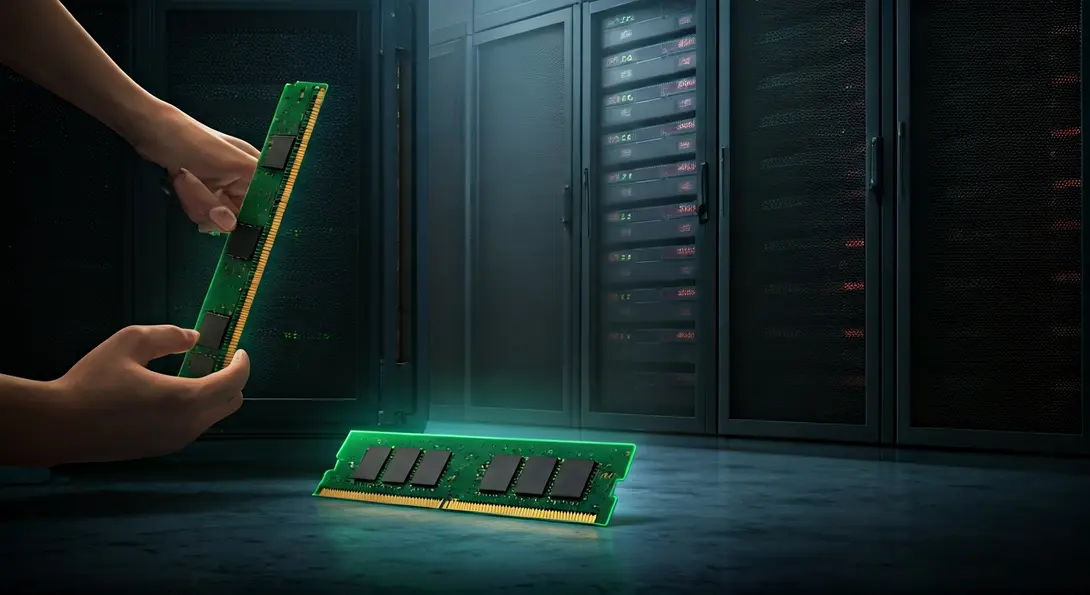
The global availability of RAM memory is projected to reach critical levels by mid-2026, creating an unprecedented scenario where buyers are increasingly turning to outdated DDR2 modules. This standard, which was prevalent in computers and laptops from 2003-2007, is now considered archaic. However, in the face of a severe memory shortage, DDR2 is surprisingly becoming a more attractive option.
Soaring Demand for DDR2: A Symptom of a Deeper Crisis
The latest forecast from industry analysis firm Trendforce paints a bleak picture for the RAM market, with no immediate relief in sight. The situation is so dire that contract prices for DDR2 memory are anticipated to surge by 35–40% in the third quarter of 2026 alone. This follows an already dramatic increase of 55–60% observed in the second quarter of the same year.
This desperate turn to older technology is a direct consequence of the extremely limited availability of modern DDR4 and DDR3 modules. The artificial intelligence (AI) industry, in particular, is experiencing significant desperation. Some companies are reportedly reconfiguring their systems to be compatible with DDR2, purely to increase their chances of securing necessary memory chips.
The broader semiconductor shortage and rising hardware costs contribute to this challenging environment. For a deeper dive into the market struggles, read more about PC Market Struggles and Expensive Hardware Trends. Major tech players are also feeling the pinch, as highlighted in reports on market struggles and profitability crises due to RAM costs.
Who Still Makes DDR2? Unexpected Manufacturers Step Up
What might come as a shock to many is that a handful of companies continue to produce DDR2 chips. Notable manufacturers include Taiwan-based Winbond and ESMT. ESMT, founded in 1988, is particularly noteworthy for its plans to significantly ramp up DDR2 production. While Winbond is gradually phasing out its DDR2 market presence, ESMT is moving in the opposite direction, increasing its manufacturing capabilities to meet the unexpected demand.
Long-Term Outlook: A Crisis Extending to 2030
The current memory crisis leaves no room for illusions about a quick recovery. Industry experts are now suggesting that the memory shortage could persist until at least 2030. Even creators of gaming platforms like the Steam Machine faced immense difficulties in acquiring chips for device distribution, indicating that only the largest manufacturers of consumer electronics may possess the resources and leverage to navigate this prolonged challenge.
Frequently Asked Questions (FAQ)
The global RAM shortage is primarily driven by limited availability of newer DDR4 and DDR3 modules. This scarcity has forced industries, especially the rapidly expanding AI sector, to seek alternatives. DDR2, despite being an older standard, is experiencing a resurgence because it’s one of the few memory types still available, pushing companies to adapt older configurations to secure supplies.
According to Trendforce, RAM prices are expected to continue rising significantly. For instance, DDR2 contract prices alone are projected to increase by 35-40% in Q3 2026, following a 55-60% increase in Q2 2026. The overall memory crisis is anticipated to extend until at least 2030, indicating sustained high prices across the market.
For the AI industry, the shortage means significant challenges in acquiring essential hardware for advanced computing, potentially slowing innovation and development. Companies are even reconfiguring systems for older DDR2 compatibility out of desperation. For general consumers, this translates to higher prices for computers, laptops, and other devices that rely on RAM, as well as potential delays in product availability and increased costs for repairs or upgrades.

Source: Trendforce. Opening photo: Gemini
About Post Author
