

Contents
Rethinking Resilience: What Past Generations Can Teach Us About Raising Independent Kids
The generation raised in the 1960s and 1970s is often described as “tougher” and more resourceful than children today. This isn’t just about the “good old days” when younger kids wore keys around their necks instead of phones in their pockets. The approach to upbringing was fundamentally different then. Today, psychologists are asking if that “imperfect” model from decades past might be precisely what modern teenagers are missing.
Childhood as a School of Life
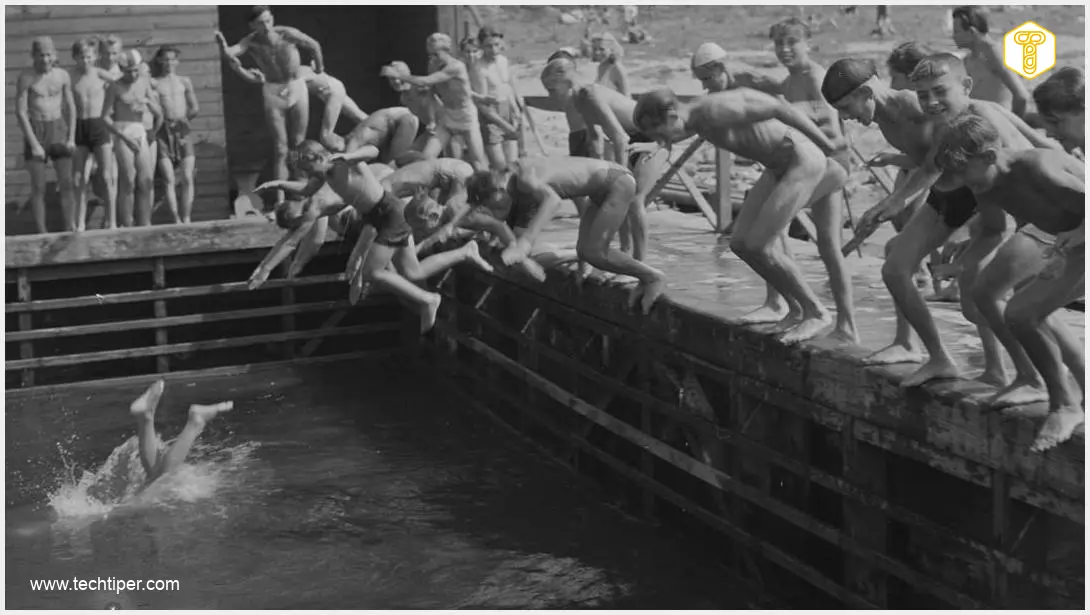
For many individuals born in the 1960s and 1970s, a typical day involved quickly finishing homework and then disappearing from home for hours – without a phone, GPS tracker, or constant messages from parents. The fading daylight often signaled the time to return. These were realities where children had far more opportunities to make their own decisions, face the consequences, and learn from their mistakes.
Today’s parents, bombarded with warnings about dangers and immersed in a culture of continuous control, cultivate an entirely different model of childhood: more comfortable, safer, but significantly less independent. This shift has far-reaching consequences for child development and psychological well-being.
Psychology Prioritizes Freedom Over Over-Protectiveness
New analyses of child development research suggest that the generation raised in the 1960s and 1970s developed a specific kind of psychological resilience. This wasn’t because their parents possessed ideal parenting competencies, but rather because their presence was less controlling and less omnipresent.
Spending more time in peer groups meant children had to learn faster how to regulate emotions, resolve conflicts, and cope with frustration. Furthermore, boredom often spurred the development of interests, hobbies, and valuable skills. This unstructured time fostered creativity and problem-solving, crucial components of self-sufficiency.
In the past, children were granted greater independence and the chance to find solutions themselves, even when things didn’t go their way. This contrasts sharply with contemporary parenting trends.
The Rise of “Helicopter Parenting”
The modern parenting model is increasingly described by the term “helicopter parenting”: parents hover over their child, ready to intervene immediately before anything difficult or unpleasant can occur. Moreover, the solution to boredom often becomes a smartphone or tablet, reducing opportunities for independent exploration and problem-solving. While technology offers many benefits, an overreliance on digital devices can hinder crucial developmental processes. For insights into managing digital engagement, explore the psychology of social media lurkers and conscious choices for digital well-being, and consider the implications of excessive screen time for children, as discussed in articles about digital dangers in gaming environments like Minecraft, Roblox, and Discord.
Psychologists emphasize that if parents constantly resolve conflicts for their children, organize every minute of their day, and prevent boredom or minor failures, they limit the space in which self-regulation skills could naturally develop. As a result, according to a 2023 study described in the journal Development and Psychopathology, young people enter adulthood with less belief in their own capabilities, greater susceptibility to stress, and difficulty coping without immediate external support.
Self-Regulation Is Not Innate
One of the key concepts experts refer to is self-regulation—the ability to manage one’s emotions, impulses, and behavior without constant external supervision. It is this capacity that allows a child to experience disappointment, conflicts with peers, or academic setbacks without needing “rescue” from adults, enabling them to draw valuable conclusions from these experiences.

Crucially, self-regulation is not an innate trait; it is strengthened through repetitive situations that demand self-control and adaptation. Children from the 1960s and 1970s experienced this training daily—whether negotiating rules for playground games or independently managing boredom. They explored their neighborhoods, argued and reconciled without adult presence, and simultaneously learned to manage their emotions in the real world.
Navigating the Balance Between Neglect and Trust
However, psychologists caution against idealizing the past. While many adults remember their childhoods from decades ago as a “school of life,” this does not mean that a lack of care or actual neglect was neutral for development. Practices prevalent then, such as suppressing emotions (“children should be seen and not heard”), fear-mongering and corporal punishment, ignoring anxiety and depression, minimal involvement in schoolwork, and the expectation that children would “toughen up through life,” all had their own detrimental consequences.
Conversely, the extreme opposite approach—creating a protective bubble and raising a child in an emotionally sterile, controlled world—is equally harmful. This over-protective stance can stifle growth and prevent the development of crucial coping mechanisms.
The goal is to find a happy medium: a balance between safety and trust. The aim is for children to understand clear boundaries and know they can rely on adult support, while simultaneously having the space for independent decisions, constructive risk-taking, and direct experience. This approach ensures they can cope with difficulties without requiring immediate parental intervention, ultimately fostering resilient and well-adjusted individuals.
Frequently Asked Questions (FAQ)
What is the key difference between parenting styles of the 1960s/70s and today?
The primary difference lies in the level of adult supervision and structured activity. Past generations experienced more unstructured free time and independent decision-making, while today’s children often have more scheduled activities and constant parental oversight, sometimes referred to as “helicopter parenting.”
How does “helicopter parenting” impact a child’s development?
Excessive parental intervention can hinder the development of self-regulation, problem-solving skills, and resilience. Children may grow up with less confidence in their abilities, increased susceptibility to stress, and difficulty coping with challenges independently, as parents often preemptively solve problems for them.
Is advocating for more independence the same as encouraging neglect?
No, there’s a crucial distinction. Encouraging independence involves providing appropriate boundaries, support, and trust while allowing children space to make decisions and experience consequences. Neglect, in contrast, implies a lack of necessary care, emotional support, and safety. The goal is a balanced approach, not an abandonment of parental responsibility.
What is self-regulation and why is it important for children?
Self-regulation is the ability to manage one’s own emotions, impulses, and behaviors without constant external supervision. It is vital because it enables children to cope with disappointment, resolve conflicts, and learn from mistakes, fostering adaptability and emotional resilience essential for navigating adulthood.
Source: Econews, Frontiers in Psychology, Development and Psychopathology, AOL.
Opening photo: Gemini
About Post Author
