Contents
The Silent Struggle: Unveiling Hidden Unhappiness and the Social Masks We Wear
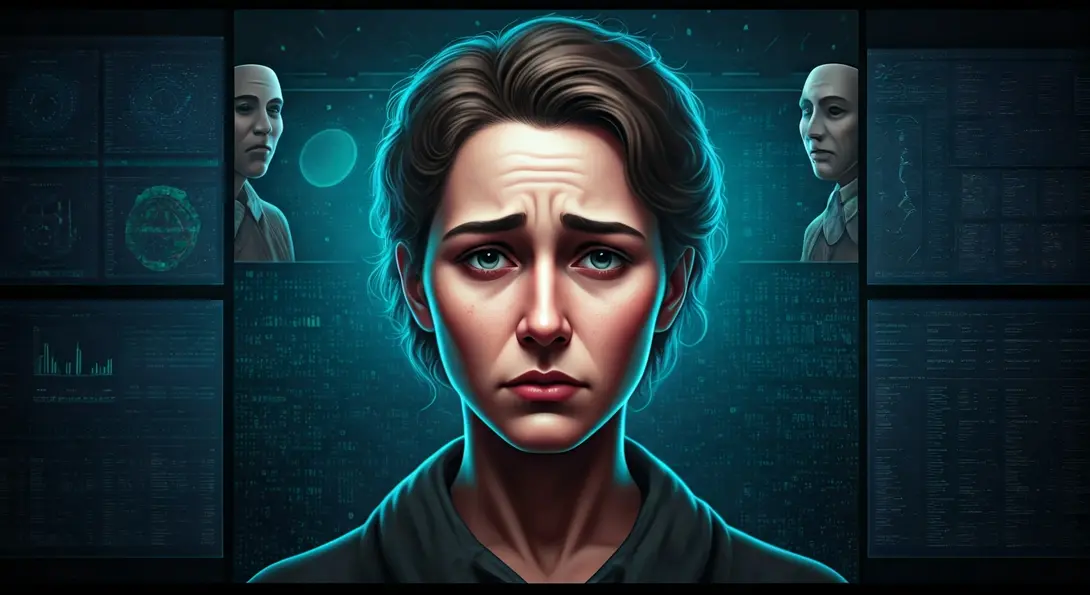
A recent report from the mental wellness platform Hedepy reveals a profound societal challenge: over 60% of individuals across various demographics admit to feeling unhappy, with nearly half (47%) actively concealing their true emotions. This pervasive issue, often manifesting as individuals adopting “social masks,” is particularly pronounced among younger generations, notably Generation Z, who frequently turn to social media when navigating personal difficulties.
The report, aptly titled “Two Out of Three Individuals Believe We Wear Social ‘Masks’ Daily and Hide Our True Selves,” delves into the emotional landscape and struggles faced by people of different age groups. It uncovers startling insights into how individuals present themselves to the world versus their internal realities.
The Widespread Phenomenon of Social “Masks”
The overall statistics are striking:
- A staggering 65% believe that they, as a society, wear “social masks,” concealing their authentic selves.
- A similar percentage admits to hiding their sensitivity from others.
- 61% feel that people are often unhappier than they appear on the surface.
- Nearly half, specifically 47%, regularly suppress their emotions and feelings.
This data suggests a widespread cultural tendency to internalize struggles and project an image of contentment, even when facing significant personal unhappiness.
Generational Divide: Loneliness Across Age Groups
Generation Z: Navigating Digital Connections and Isolation
The report highlights a significant impact of loneliness on Generation Z (individuals born roughly between the mid-1990s and early 2010s):
- A concerning 38% of this generation struggle with a perceived lack of close friends or social connections.
- Approximately one-quarter of them turn to technology, particularly social media, during moments of loneliness.
- Alarmingly, only 3% of Gen Z individuals report seeking psychological support from mental health professionals.
These figures underscore a potential reliance on digital platforms for solace, yet a reluctance to seek professional help for deeper issues.
Millennials and Baby Boomers: Unique Challenges
Loneliness is not exclusive to younger demographics:
- Among Millennials (ages 25-40), roughly 25% experience regular feelings of loneliness. Furthermore, 15% of them feel they cannot rely on another person for support during a crisis.
- For Baby Boomers (individuals born between 1946 and 1964), these figures are 12% for regular loneliness and 6% for lacking support in a crisis, respectively.
While the percentages are lower than for Gen Z, they still indicate a substantial portion of older generations also grappling with feelings of isolation and a lack of reliable support systems.
Technology’s Double-Edged Sword in the Age of Loneliness
While technology often promises to connect us, its role in combating loneliness is complex. As Dr. Joanna Krawczyk, a psychology specialist, explained in an interview, “People increasingly struggle with communication or communication coupled with kindness – the simple act of going out for coffee and talking, even about trivial daily matters.” This sentiment underscores a growing disconnect in real-world interactions.

Indeed, technology, including social media, can play a vital role in addressing loneliness by helping individuals find communities that understand their needs. However, it’s crucial to acknowledge that this digital connection is a double-edged sword. While it offers avenues for engagement, excessive or unmindful use can inadvertently heighten the risk of social isolation. Understanding this dynamic is key to navigating our digital lives healthily. For deeper insights into digital behavior, consider exploring The Psychology of Social Media Lurkers: Conscious Choices for Digital Well-being. The ongoing discussions around the impact of social media, including legal actions concerning addiction, further highlight these complexities, as seen in topics like Social Media Addiction Lawsuits Against Tech Giants.
Addressing the Epidemic of Hidden Emotions and Loneliness
The Hedepy report serves as a stark reminder of the widespread emotional struggles hidden beneath the surface of society. The tendency to wear “social masks” and conceal true feelings, coupled with the pervasive issue of loneliness across generations, calls for greater awareness and proactive strategies to foster genuine connection and mental well-being. Encouraging open communication, promoting real-world interactions, and destigmatizing professional psychological support are crucial steps toward building a more empathetic and connected society.
Frequently Asked Questions (FAQ)
What are “social masks” and why do people wear them?
“Social masks” refer to the personas or facades individuals present to the world, often concealing their true emotions, vulnerabilities, or personal struggles. People wear them due to societal pressures to appear strong, happy, or successful, fear of judgment, or a lack of safe spaces to express their authentic selves.
How does loneliness impact different generations, according to the report?
The report indicates that loneliness affects all age groups but is particularly acute in Generation Z, with 38% struggling with a lack of friends. Millennials also experience significant loneliness (25%), and even Baby Boomers report feelings of isolation (12%), highlighting a pervasive issue across the generational spectrum.
What is the complex role of social media in addressing loneliness?
Social media offers a dual role: it can provide platforms for individuals to find supportive communities and feel connected. However, it also carries a risk of increased isolation if used excessively or as a substitute for meaningful in-person interactions, as it can create a superficial sense of connection without genuine intimacy.
Source: Hedepy / Press materials.
Opening photo: Gemini
About Post Author