
The North Atlantic “Cold Blob”: A Surprising Anomaly in a Warming World While the prevailing narrative in climate discussions rightly focuses on the gradual increase in global temperatures, an intriguing exception exists. Certain regions on Earth have recorded a reverse phenomenon: a localized decrease in average temperatures. One such remarkable area, often referred to as […]
Author: Sachin Mahto
Sachin is an editor for Techtiper, focusing on software, apps, and services. He writes on virtual private networks, privacy tools, cybersecurity issues, and ethics in tech. Sachin also covers news about Tech Industry. On a separate note, he plays a ton of online chess and is a fan of overly complicated sci-fi movies.

Android 17 Prioritizes Security: 4 Important Changes Google Introduced Quietly
Android 17 introduces crucial, often subtle, enhancements focused on bolstering security and improving system performance. From smarter memory management and refined Wi-Fi permissions to robust malware defenses and enhanced web security, these updates promise a safer and more stable smartphone experience for users worldwide.

Breakthrough Mini Nuclear Reactor Could Solve a Huge Problem. It’s Only 4 Meters Wide
As global energy demand soars, small modular reactors (SMRs) are emerging as a promising solution for stable, low-emission electricity generation. These compact nuclear reactors offer flexibility, faster deployment, and the potential to address growing energy needs independent of weather conditions, with over 70 projects currently under development worldwide.

No to Self-Driving Teslas: Sweden with a Bold Appeal on FSD in the EU
Sweden has officially challenged the European Union regarding the rollout of Tesla’s Full Self-Driving (FSD) system, citing concerns over driver-set speed limits and potential safety risks. This move could significantly impact the approval process for autonomous driving regulations across the EU, adding to Tesla’s ongoing challenges with its self-driving technology and robotaxi development.

Magdalena Sawicka on Digital Government: “EZD RP is Not Just Technology, But a New Philosophy of Work”
Magdalena Sawicka, Director of the EZD RP Implementation and Maintenance Division at NASK, shares insights into how electronic document management is transforming public administration, emphasizing cultural shifts over mere technological upgrades.

Major Shift in Chip Production: US President Confirms
A significant collaboration between tech giants Apple and Intel aims to revitalize chip manufacturing within the United States. Announced by former US President Donald Trump, this partnership marks a pivotal moment for domestic semiconductor production and comes as Intel navigates a period of growth and Apple prepares for its next generation of processors.

The Second Nuclear Power Plant Must Wait: Central Poland Emerges as a Frontrunner for Atomic Energy Development
Poland is advancing its plans for a second nuclear power plant, but the final site selection is contingent on choosing the right reactor technology. While Konin and Bełchatów in central Poland are strong contenders due to their strategic location and existing infrastructure, the decision will also hinge on detailed environmental and geological studies. This multi-billion Euro project promises significant economic growth and energy security.

Wave of ‘Tax Refund’ Scams: Familiar Criminal Tricks Return Like a Boomerang
Cybercriminals are actively targeting individuals with fake tax refund and social security messages. Learn how to identify these common phishing scams and protect your personal information from financial fraud.
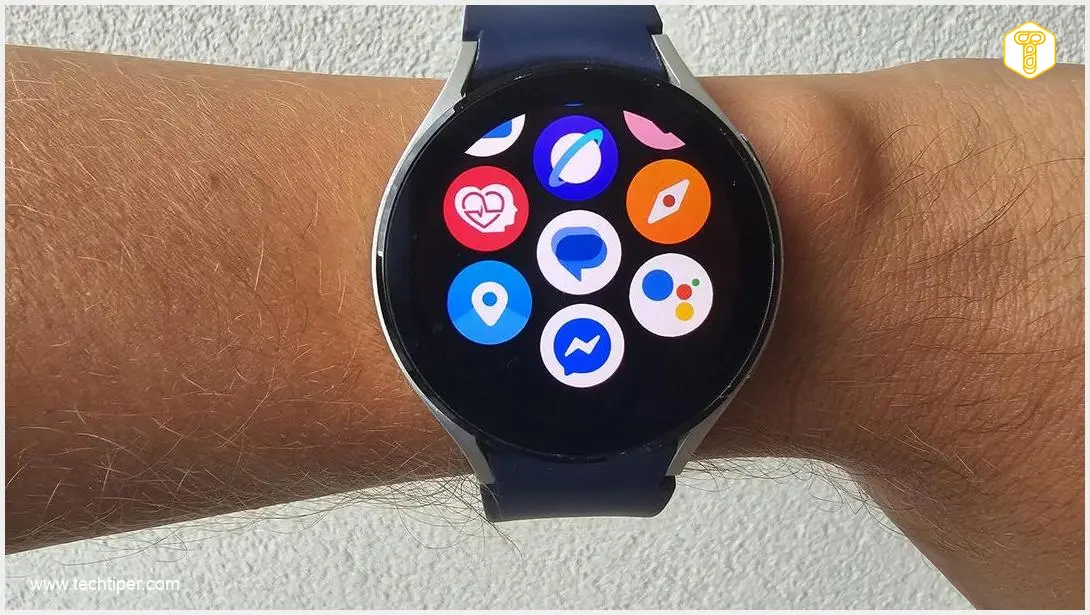
Not Just Android: Wear OS 7 Officially Released
Google has recently rolled out two significant operating system updates: Wear OS 7 for Pixel Watch devices, bringing enhanced battery life and advanced AI integration, and Android 17, introducing innovative features like “Bubbles” and “Reactions on screen” for Pixel smartphones. These updates aim to deliver a more seamless, intelligent, and efficient user experience across Google’s ecosystem.

Poland Aims to Be Like Switzerland: Expert Explains the Need for a Mega-Airport
Poland is embarking on an ambitious project to construct a new mega-airport near Baranów, aiming to employ up to 35,000 people and become a cornerstone of national branding. This vast undertaking, known as the Central Communication Port (CPK), necessitates extensive infrastructure development, from housing and transport links to advanced logistics, positioning Poland as a reliable and technologically advanced hub, akin to Switzerland’s renowned reputation.

Samsung Might Get Inside Your Head. Literally.
Reports indicate Samsung is set to produce chips for Neuralink’s next-generation brain implants, potentially replacing TSMC and deepening Samsung’s ties with Elon Musk.
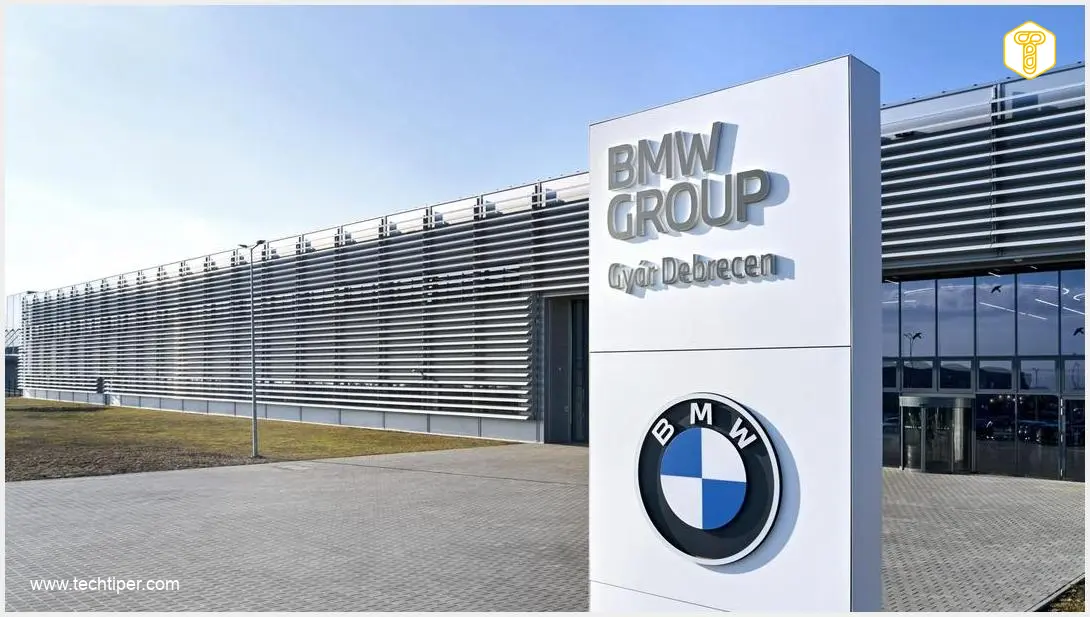
We Visited BMW’s New Factory: Where the Revolutionary iX3 is Born
Discover BMW’s cutting-edge factory in Debrecen, Hungary, the birthplace of the revolutionary BMW iX3. This technologically advanced facility sets new benchmarks for digital and sustainable automotive production within the Neue Klasse era.

We Visited the New BMW Factory: The Revolutionary iX3 Will Be Born Here
Discover BMW Group’s cutting-edge factory in Debrecen, Hungary, where the groundbreaking all-electric BMW iX3, the first model from the Neue Klasse family, is set to begin production. This facility epitomizes advanced digital and sustainable automotive manufacturing, powered entirely by renewable energy.

NASA Tests X-59: A Breakthrough in Aviation
NASA is accelerating work on its X-59 Quiet Supersonic Technology (QueSST) aircraft, with recent tests demonstrating significant progress towards enabling supersonic flights over populated areas. This experimental jet aims to revolutionize air travel by dramatically reducing the disruptive sonic boom.
Apple Still Holding Aces Up Its Sleeve: Three New iOS 27 Features Revealed Before Launch
Apple reportedly has several unannounced iOS 27 features, including significant updates for Siri, a customizable Camera app, and a new Apple Watch face, that were not showcased at WWDC 2026. These developments, hinted at by Mark Gurman, suggest Apple is gradually rolling out its innovations, with a fuller picture expected this fall.

Scientists Discover Giant Whale Graveyard in Indian Ocean, Active for 5.3 Million Years
Researchers have unearthed an enormous whale graveyard in the southeastern Indian Ocean’s Diamantina Trench, stretching over 1,200 kilometers at depths of up to 7,000 meters. This ancient necropolis has been accumulating whale remains for at least 5.3 million years, creating unique deep-sea ecosystems sustained by these “whale falls.” The discovery offers unprecedented insights into deep-sea life and the history of cetaceans.

New Technology Makes Water from Air, and You Wear It
Researchers at the University of Texas at Austin have developed revolutionary wearable textiles that can extract clean drinking water directly from atmospheric moisture. This innovation promises portable hydration solutions for emergency services, outdoor enthusiasts, and remote regions.

Apple Cuts Support: Full List of Devices That Won’t Receive Further Updates
In a significant move, Apple is set to discontinue software support for 16 older devices, including Apple Watches, iPads, Intel Macs, and Apple TVs, with the release of its new operating systems in Fall 2026. This extensive “purge” aims to streamline support for advanced features requiring newer hardware.
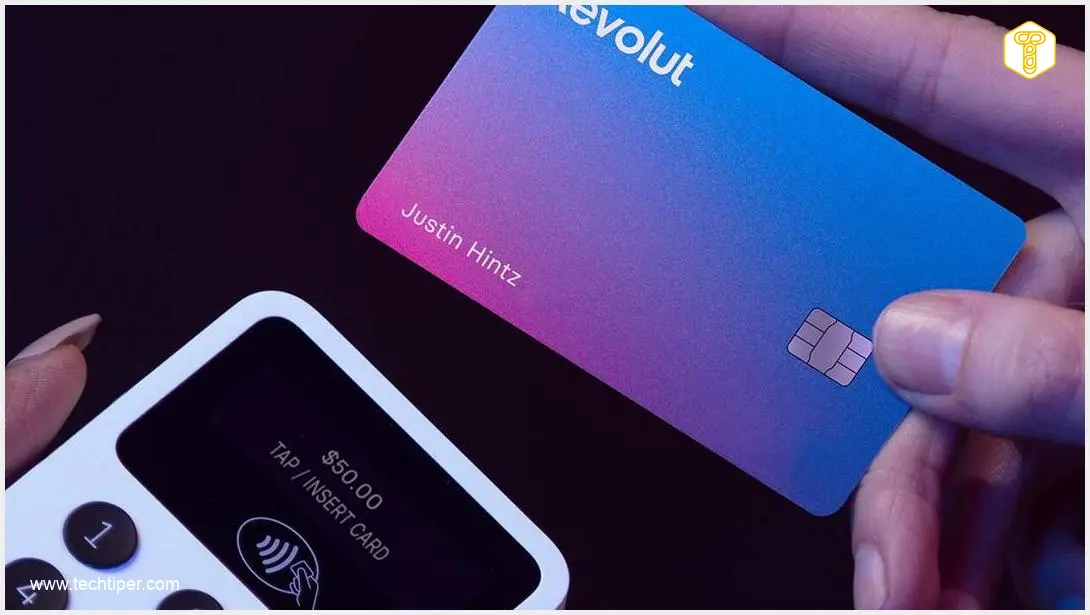
Revolut Forced to Slow Down and Clean Up: European Regulators Scrutinize the Bank
The European Central Bank temporarily restricted Revolut Bank from launching new products in the European Economic Area, citing concerns that the fintech’s rapid expansion outpaced its risk control systems. This article explores the reasons behind the ECB’s decision and how Revolut responded to regulatory scrutiny, enhancing its internal processes and compliance frameworks.

Big Change from Apple: Samsung Users Will Finally Benefit
Apple is strategically opening up its ecosystem, allowing Android and Windows users to join and contribute to iCloud Shared Albums created by iPhone owners. This major announcement from WWDC 2026 will enable seamless cross-platform photo and video sharing, breaking down long-standing barriers between devices.

Messenger, Facebook, and Instagram Outage Ongoing: Meta Services Inaccessible
Users worldwide are reporting widespread issues with Meta’s popular platforms, including Facebook, Messenger, and Instagram. The outage, which began around 3:40 PM UTC, is preventing users from accessing apps, refreshing feeds, and sending messages. Meta has yet to release an official statement regarding the cause or expected resolution time.

Messenger, Facebook, and Instagram Down. Meta Services Experiencing Outage
Users are reporting widespread outages affecting Facebook, Instagram, and Messenger, impacting core functionalities like messaging and content refreshing. Meta has not yet issued an official statement regarding the cause or estimated resolution time for the disruption.

New Feature in Waze: A Key Improvement for Google Maps Alternative
Waze is gradually rolling out a highly anticipated feature that displays traffic light locations directly on navigation routes, enhancing driving awareness and route planning.