Norway Curbs AI in Schools: Primary Students to Lose Generative AI Access

Norway Implements Strict Generative AI Restrictions in Schools to Safeguard Foundational Learning Norway is setting a new precedent in European education by introducing some of the continent’s most stringent regulations on the use of generative artificial intelligence (AI) in schools. The government believes that early and unrestricted exposure to such tools could impede children’s development […]

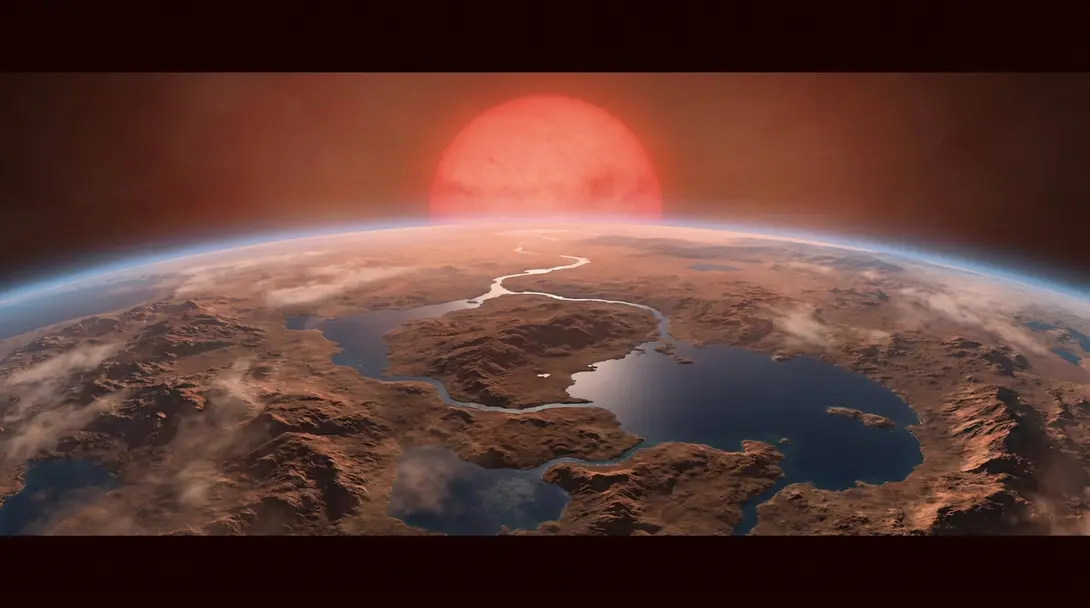
The Only Place in the World Where It’s Getting Colder, Not Warmer: Right Next to Europe

The North Atlantic “Cold Blob”: A Surprising Anomaly in a Warming World While the prevailing narrative in climate discussions rightly focuses on the gradual increase in global temperatures, an intriguing exception exists. Certain regions on Earth have recorded a reverse phenomenon: a localized decrease in average temperatures. One such remarkable area, often referred to as […]

No to Self-Driving Teslas: Sweden with a Bold Appeal on FSD in the EU

Sweden has officially challenged the European Union regarding the rollout of Tesla’s Full Self-Driving (FSD) system, citing concerns over driver-set speed limits and potential safety risks. This move could significantly impact the approval process for autonomous driving regulations across the EU, adding to Tesla’s ongoing challenges with its self-driving technology and robotaxi development.

Europe Fights for Digital Independence: How the EU Sovereignty Package Will Transform the Polish Market

The European Union has launched a comprehensive technological sovereignty package aimed at bolstering its control over the entire AI infrastructure landscape, from chips and cloud services to data centers, energy, and open-source solutions. This initiative seeks to reduce Europe’s reliance on foreign technology providers and foster a robust, independent digital ecosystem.

The Dark Side of Technological Progress: How Development “Drains” the Resources of Billions on Earth

Modern technology, from AI to electric vehicles, relies heavily on cobalt, lithium, and copper. However, the extraction of these critical minerals comes at a severe environmental and human cost, disproportionately affecting vulnerable communities through water scarcity, pollution, and health issues. This article explores these hidden costs and suggests paths towards more sustainable consumption and production.

The Second Nuclear Power Plant Must Wait: Central Poland Emerges as a Frontrunner for Atomic Energy Development

Poland is advancing its plans for a second nuclear power plant, but the final site selection is contingent on choosing the right reactor technology. While Konin and Bełchatów in central Poland are strong contenders due to their strategic location and existing infrastructure, the decision will also hinge on detailed environmental and geological studies. This multi-billion Euro project promises significant economic growth and energy security.

Poland Aims to Be Like Switzerland: Expert Explains the Need for a Mega-Airport

Poland is embarking on an ambitious project to construct a new mega-airport near Baranów, aiming to employ up to 35,000 people and become a cornerstone of national branding. This vast undertaking, known as the Central Communication Port (CPK), necessitates extensive infrastructure development, from housing and transport links to advanced logistics, positioning Poland as a reliable and technologically advanced hub, akin to Switzerland’s renowned reputation.